
Last updated November 24, 2026
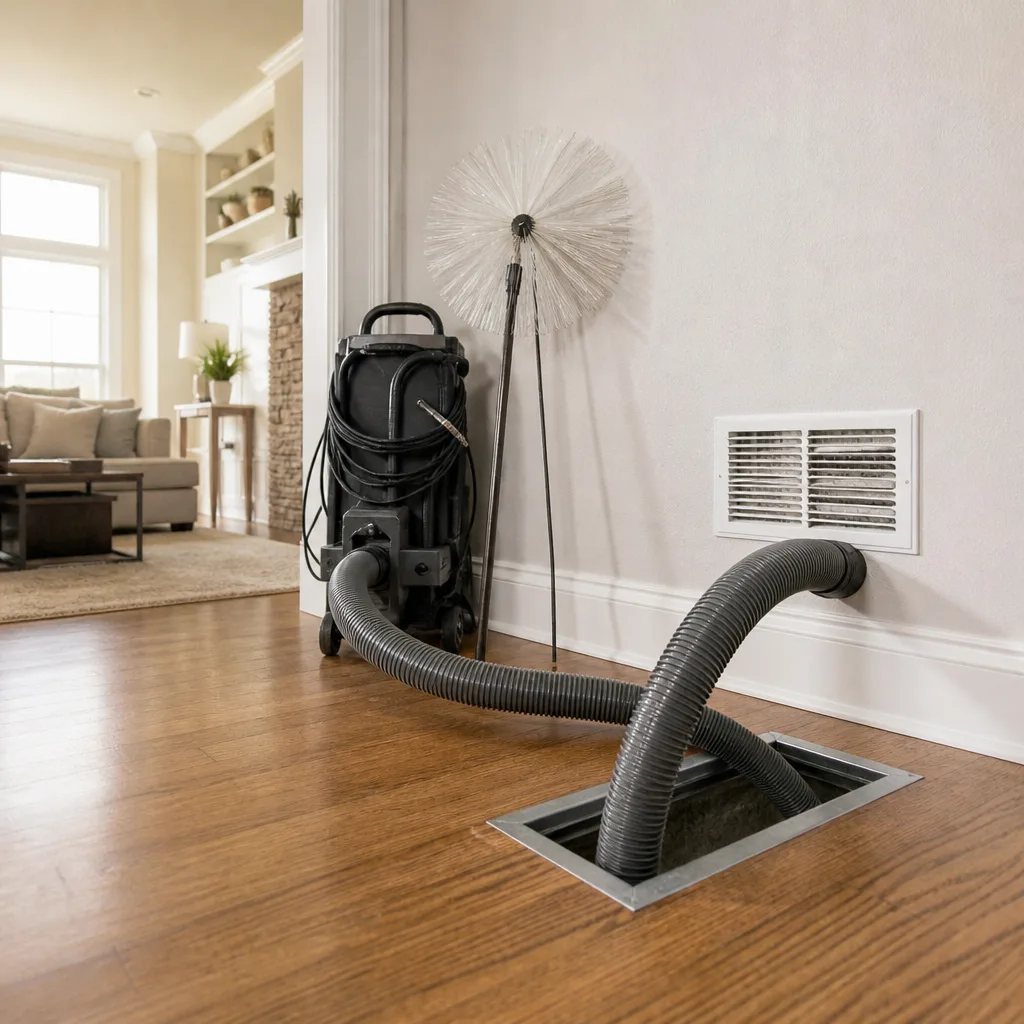 Whole-home duct cleaning
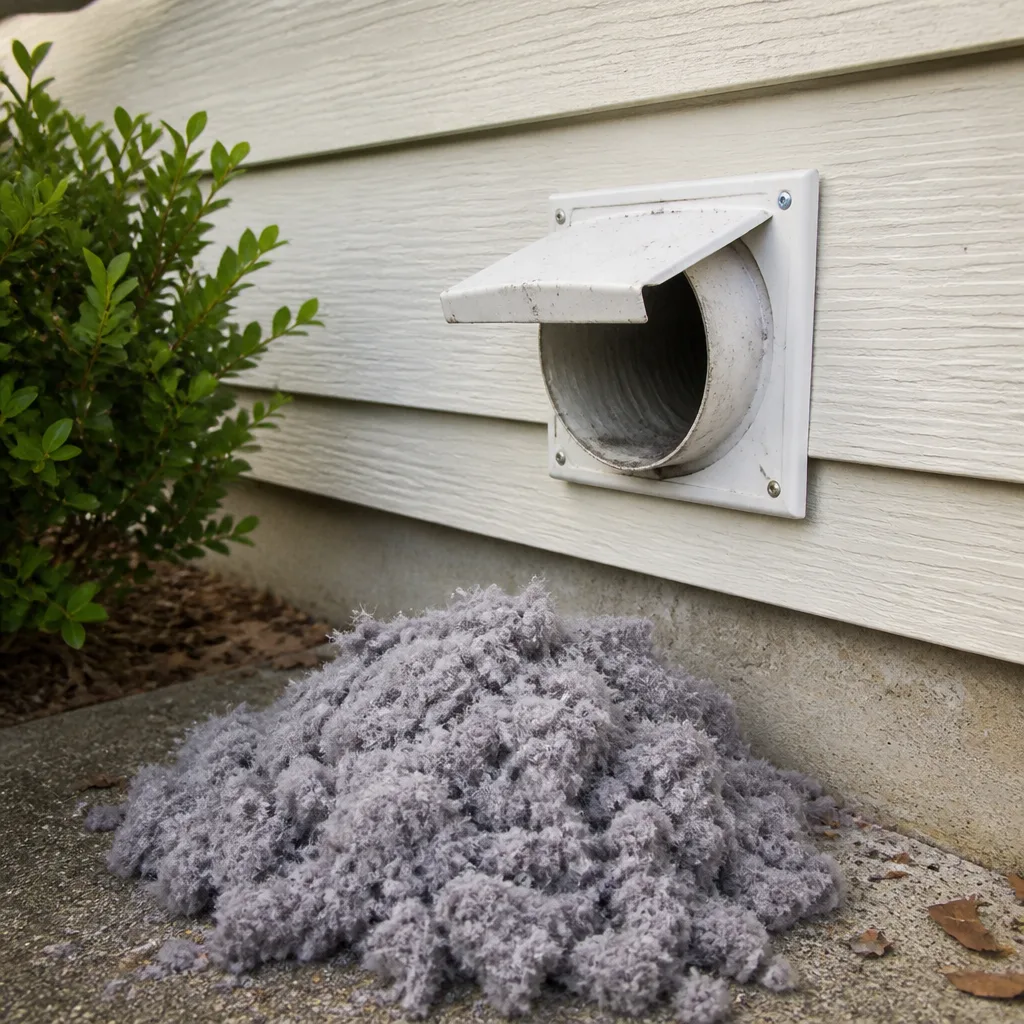 Dryer vent cleaning
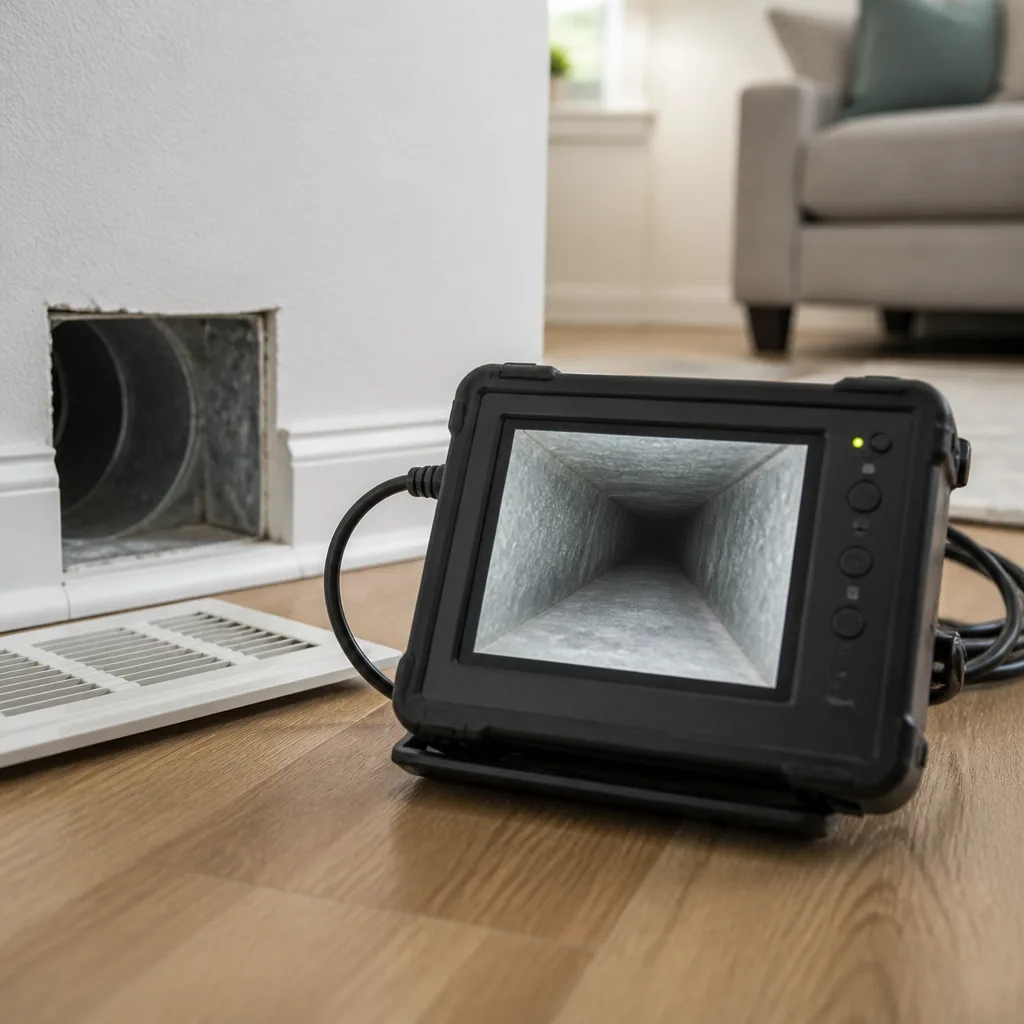 Camera inspection
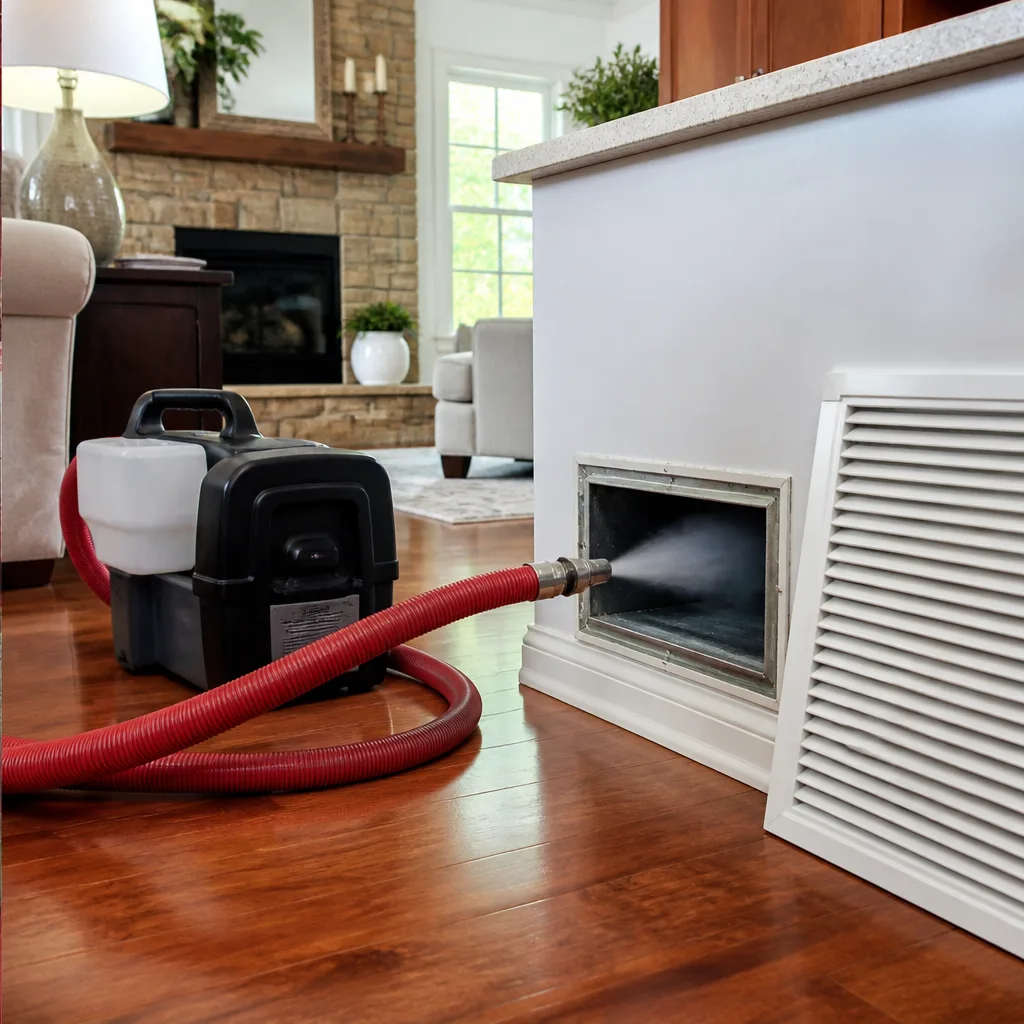 Sanitizing & deodorizing
Whole-system duct and dryer vent check with before-and-after photos - you see exactly what came out of your vents
That "$99 whole-house special" is a bait ad - the real number appears once they are in your hallway, or the "clean" is a shop-vac at the register. We photograph the inside of your ducts before and after instead.
The Complete Guide to Air Duct Cleaning in New Dorp
Most air duct cleaning stops at the first few feet of a run, which is exactly where the visible debris sits. The contamination that shapes indoor air quality in New Dorp homes usually lives deeper in: at the bends, inside the main trunks and plenums, around the coil housing, and on the blower wheel. A vacuum and a brush can make a duct look clean at the register without fixing what feeds it. This guide maps the full air pathway in a typical New Dorp house, zone by zone, and explains what a thorough cleaning should actually touch. You’ll learn what an inspection should document, how to tell real source removal from surface work, and how to read before-and-after evidence.
Quick Answer
A complete air duct cleaning in New Dorp goes well beyond vacuuming the visible runs. It covers six zones from the air handler to the register: the air handler cabinet, the coil, the blower, the supply and return plenums and main trunks, the branch runs, and the registers and grilles. Full-pathway cleaning uses negative pressure and rotary-contact tools together, documents conditions before and after, and usually pairs with duct repair and sealing so the cleaned system stays clean.
Styles & brands we work with
- Whole-home duct cleaning
- Dryer vent cleaning
- Camera inspection
- Sanitizing & deodorizing
Table of Contents
- The Six Zones of a New Dorp Duct System
- Negative Pressure vs. Contact Vacuum: How Source Removal Works
- What a Pre-Cleaning Inspection Should Document
- How to Read Before-and-After Proof of Work
- Full-System Cleaning vs. Trunk-Only Cleaning
- Duct Repair and Sealing: Closing the Loop After Cleaning
- Sanitizing and Air Quality Upgrades That Last
- What Air Duct Cleaning Costs in New Dorp
The Six Zones of a New Dorp Duct System
New Dorp’s housing stock tells you a lot about what’s inside the walls. Much of the neighborhood was built during the postwar boom, then updated piece by piece: a furnace at some point, central air later, a renovation or two in between. That layering means the ductwork is rarely one clean, uniform system. It’s an assembly of original runs, retrofitted transitions, and short connector lengths added when equipment changed. Contamination accumulates differently in each zone, which is why a full-pathway map matters before any tool goes in.
1. The air handler cabinet
The cabinet is where return air first gathers. Dust, pet hair, and whatever rides in on the return side collect on the blower housing and the interior panels. This zone is often skipped because it sits outside the ducts themselves, yet it feeds everything downstream.
2. The evaporator coil
A wet coil in the cooling season catches particles like a screen. Once the coil surface coats, airflow drops and the coil can’t dehumidify the way it should. Coil cleaning is part of HVAC cleaning, and it’s one of the biggest differences between a duct-only job and full-pathway work.
3. The blower assembly
Blower wheels are designed with fine blades that move high volumes of air. When those blades load up with dust, the whole system works harder for less airflow. Cleaning the blower requires removing it, which is why cheap jobs leave it alone.
4. Supply and return plenums and main trunks
Trunks carry the most air across the longest runs, and their bends and takeoffs are where heavy debris settles. This is a high-value zone for source removal because it’s tough to reach from a single register.
5. Branch runs and flex transitions
In New Dorp homes, branch runs often mix rigid metal with flexible duct added during retrofits. Flex duct has ridges that trap debris, and the seams where it meets rigid metal collect dust at every joint.
6. Registers, grilles, and boots
The last zone is what you see. Registers are the least likely place for the real contamination, and cleaning them alone creates a false sense of clean air. A thorough job pulls each register, cleans the boot, and reinstalls it only after the upstream zones are done.
Negative Pressure vs. Contact Vacuum: How Source Removal Works
Most guides treat duct cleaning as one activity. In practice, two mechanisms do different work, and a real job uses both. Negative pressure puts the duct system under vacuum at a single collection point while the cleaning tool disturbs debris throughout. Contact-vacuum methods (rotary brushes and air whips) break loose debris bonded to duct walls so negative pressure can carry it out. Doing one without the other leaves material behind.
Negative-pressure containment
We set up Air Duct Cleaning New Dorp jobs with a HEPA vacuum hooked into the duct system, often through a door or a plenum connection. That keeps the ducts under constant suction so contaminants go to the vacuum, not into the room. Our Nikro HEPA systems are built for this kind of containment. Paired with Abatement Technologies air-filtration equipment running in the living space, the air around the work area stays cleaner than it would with a shop vac and an open register.
Rotary-contact cleaning
Rotobrush rotary-contact systems drive a rotating brush head through the run, mechanically dislodging compacted debris from the duct wall. That matters most in main trunks and return runs, where decades of settlement can bond dust to the metal like a fine coating. A brush on a drill works for a foot of duct; a rotary-contact system works along the length of a run.
When each method fits
- Heavy bonded debris in trunks: rotary contact first, negative pressure running the whole time.
- Flexible duct runs: gentler contact heads, moderate pressure, so internal liner doesn’t get damaged.
- Coil and blower housing: targeted cleaning with the right tools for those surfaces, not duct brushes.
- Registers and grilles: removed and cleaned separately, then reinstalled after upstream work is done.
The order of operations matters. Negative pressure should be established before any brush touches a duct, and it should stay on until every zone is finished. Otherwise you disturb debris into a system that can’t evacuate it.
What a Pre-Cleaning Inspection Should Document
No professional-grade equipment should touch your ductwork before someone has documented what’s there. That documentation serves two purposes: it tells the technician what tooling and access points the job needs, and it gives you a baseline to compare against after the work is done. In New Dorp homes, where retrofits are common, inspection often surfaces surprises: unsealed seams, crushed flex runs, or a return that was rerouted during an old renovation.
The numbered inspection sequence
- Walk the system. Confirm where the air handler is, what duct types are present, and which runs are rigid vs. flexible.
- Photograph interior conditions. Each zone gets documented before work starts, including coil, plenum, and trunk interior.
- Check for damage and disconnections. Crushed flex, disconnected joints, and unsealed seams are noted so they can be addressed during or after cleaning.
- Measure baseline airflow. Register airflow readings establish what a normal system looks like in this house before cleaning.
- Confirm access points. Plenum connections, fill-in plates, and cut points are planned so the cleaning can reach every zone.
- Review air quality triggers. Recent renovation, a new HVAC install, allergy concerns, or years of neglect all shift priorities.
An inspection that doesn’t photograph the interior of the trunks and plenums isn’t really documenting anything useful. If you can’t see the condition of the ductwork before the job starts, you can’t tell what the cleaning actually accomplished.
How to Read Before-and-After Proof of Work
The old bait-and-switch playbook counted on customers not knowing what changed inside their walls. That’s harder to pull off if you know what to ask for. Good proof comes in three layers: photos of your own ducts, airflow readings from the same registers, and a documentation packet you can keep.
Photos
- Interior photos of the supply and return plenums before and after cleaning.
- Photos of the coil and blower, both caked and clean.
- Register photos with the boot visible, before reinstalling.
- Any repair or sealing work, documented before it’s covered back up.
Airflow readings
Airflow brings the cleaning into the physical world. If a return was restricted by debris, cleaning should show up in the readings. Data matters more than a marketing claim.
Documentation
Ask for a written summary of what was cleaned, what was repaired, and what was excluded. A page confirming the zones that were reached, plus photos tied to those zones, is a good sign the work was real. If a company can’t show you your own ducts, that’s the answer.
Full-System Cleaning vs. Trunk-Only Cleaning
Trunk-only cleaning does have a place. It addresses the main supply and return runs, which is where the biggest debris load often sits. But stopping there leaves the coil, blower, plenums, branches, and registers untouched. In practical terms, that means a cleaned trunk system still feeds the coil through a dirty return, still pushes air through a loaded blower, and still delivers to registers that were never cleaned.
What trunk-only cleaning misses
- The coil surface that catches particles through the cooling season.
- The blower wheel that drives every cubic foot of air in the house.
- The plenums, where return air first gathers.
- The branch runs, which are often where debris settles closest to the register.
- The registers and boots, which are what homeowners see most often.
Why full-system work shows up differently
Cleaning the full pathway does more than remove visible dust. It restores airflow across the coil and blower, which affects dehumidification, system noise, and how hard the equipment has to work. In a New Dorp house where the HVAC has been running for a while, restoring that airflow often reveals how much drag was coming from loaded components.
The other variable is timing. Where trunk-only cleaning is a half-day job, full-system work takes longer because more zones are touched. That extra time is the difference between a demonstration and a real cleaning.
Duct Repair and Sealing: Closing the Loop After Cleaning
Cleaning a duct system that leaks is a short-lived win. Every unsealed joint lets new dust into the airstream, and every gap gives particles a way around the filter. Duct repair and sealing is one of our five services for exactly that reason: a clean system only stays clean if the envelope around it holds.
What repair and sealing addresses
- Disconnected joints: flex-to-metal transitions and boot connections that came loose.
- Unsealed seams: joints along trunk runs and plenum panels where air leaks out.
- Crushed or kinked flex runs: restricted sections that starve the registers downstream.
- Gaps in the air handler cabinet: openings that pull attic or garage air into the return.
Sealing typically uses industry-standard mastic and UL-listed tape applied to accessible joints, plus targeted repairs where duct sections have failed. That’s not a service every duct cleaner offers, and it’s often where the difference between “we cleaned” and “we closed the loop” becomes visible. When we work with you on a full-system job, repair and sealing are evaluated during inspection so you know up front what’s needed.
Sanitizing and Air Quality Upgrades That Last
Sanitizing makes sense after cleaning when there are specific triggers: a recent renovation, years of neglect, moisture or odor in the system, or a household member with ongoing reactions to indoor air. Sanitizing a dirty duct system just coats the debris. Sanitizing a clean one gives the surfaces a fresh start.
What we use
Our air quality and sanitizing work is compatible with Honeywell and Aprilaire air quality systems, which is useful if your home already has one of these or you’re planning to add filtration later. Sanitizing is applied after the ducts are cleaned and sealed, so it protects a clean surface rather than encapsulating debris.
Ongoing air quality
Cleaning is the reset, not the maintenance plan. If filters are changed on schedule and the system envelope is sealed, ducts stay clean much longer. If not, the same contamination pattern rebuilds in a couple of seasons. That’s worth knowing before deciding whether to add an air quality upgrade.
What Air Duct Cleaning Costs in New Dorp
Air duct cleaning pricing varies with the size of the home, the number of systems, how many zones are cleaned, and whether repair and sealing are needed. A single-system home with a routine clean is at one end; a larger home with two systems, heavy trunk debris, and sealing is at the other. The written estimate sets the final price, and the estimate is free.
Typical home and cost factors
- Number of HVAC systems: a two-system home costs more to clean than a single-system home.
- Number of registers and returns: more duct runs, more cleaning time.
- Duct type: flex-heavy systems take longer than mostly rigid systems.
- Condition found at inspection: heavy bonded debris in plenums and trunks adds time.
- Repair and sealing: quoted separately if it’s needed.
- Sanitizing add-on: priced as a separate line, only when it’s warranted.
The honest way to think about the price is cost-per-zone rather than a number on a postcard. A whole-system quote is different from a register-only price, and the two numbers can look the same before the work starts.
Common Mistakes to Avoid
- Hiring on price alone. A low headline number is often the lead-in to a much larger invoice once work begins. Ask what the quoted price covers, zone by zone, before you book anything.
- Believing registers equal ducts. Cleaning the grilles in front of you leaves the trunks, plenums, and coil untouched. Full-pathway work starts at the air handler, not at the register.
- Skipping the coil and blower. These two components move and condition every cubic foot of air in a New Dorp home. A duct cleaning that skips them doesn’t address the system.
- Assuming negative pressure is automatic. If you don’t see a HEPA vacuum connected to the duct system, contaminants are going somewhere else. Ask about equipment before work starts.
- Cleaning a leaking system without sealing it. New dust comes back through every unsealed seam. Repair and sealing should be evaluated during inspection, not months later.
- Not asking for documentation. Photos of your own ducts before and after, plus a written summary of what was cleaned, is the baseline proof. No proof usually means no real work.
- Paying for sanitizing before cleaning. A sanitizing treatment over a dirty system seals debris in place. It belongs after cleaning and sealing, not before.
See the difference
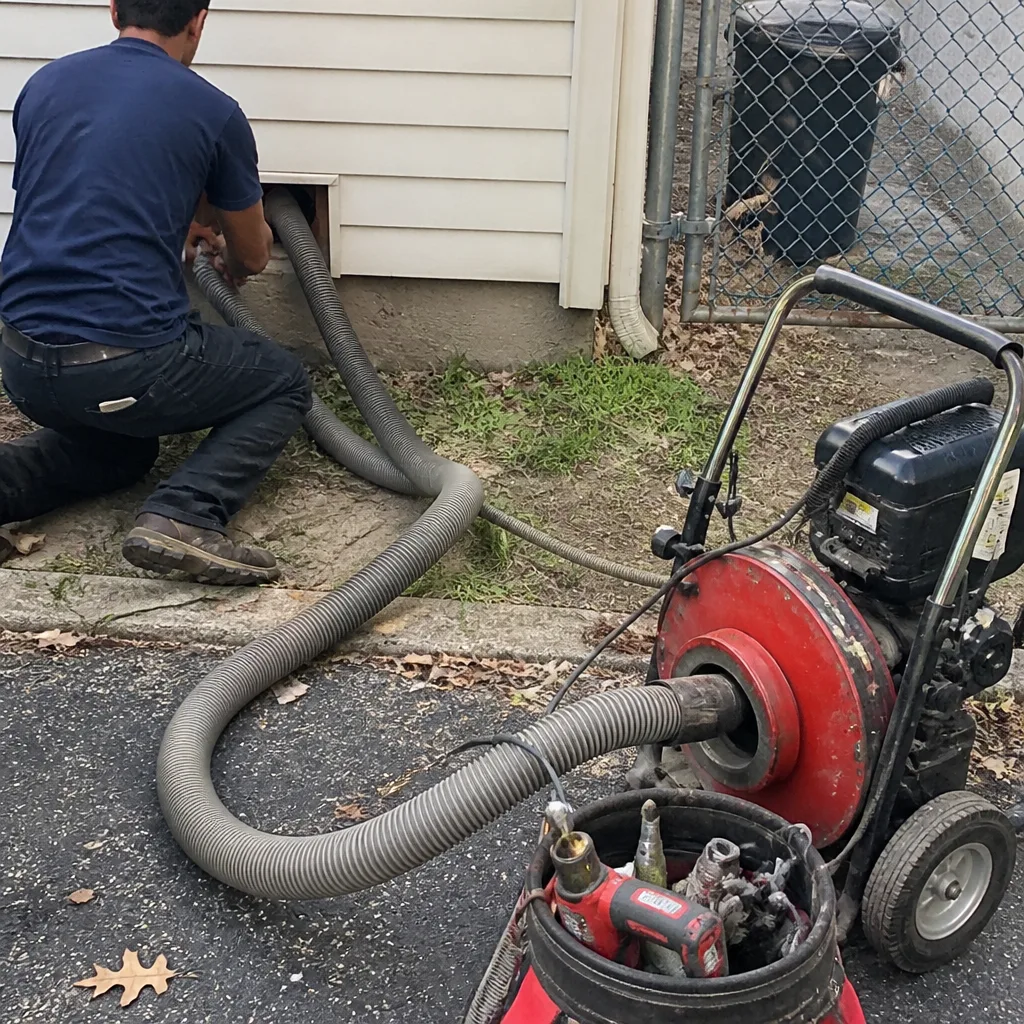 Before
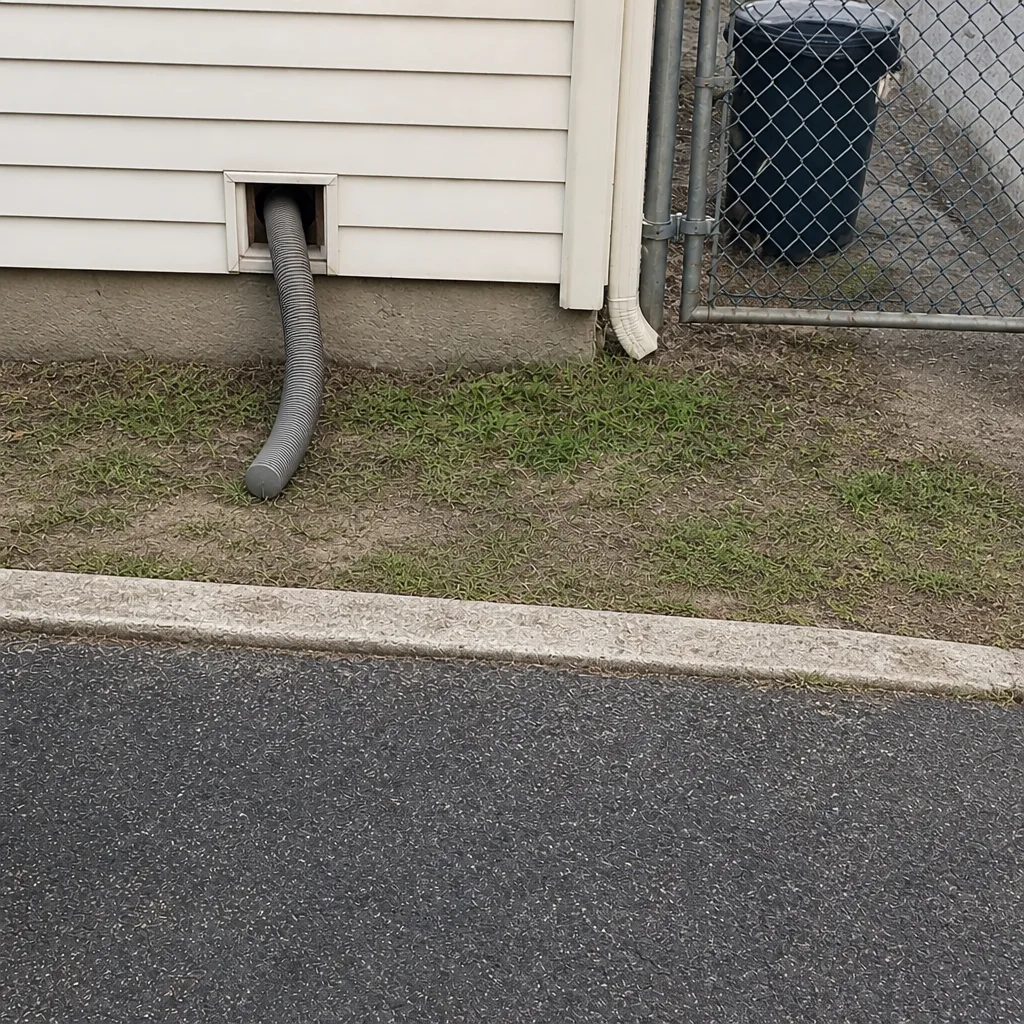 After
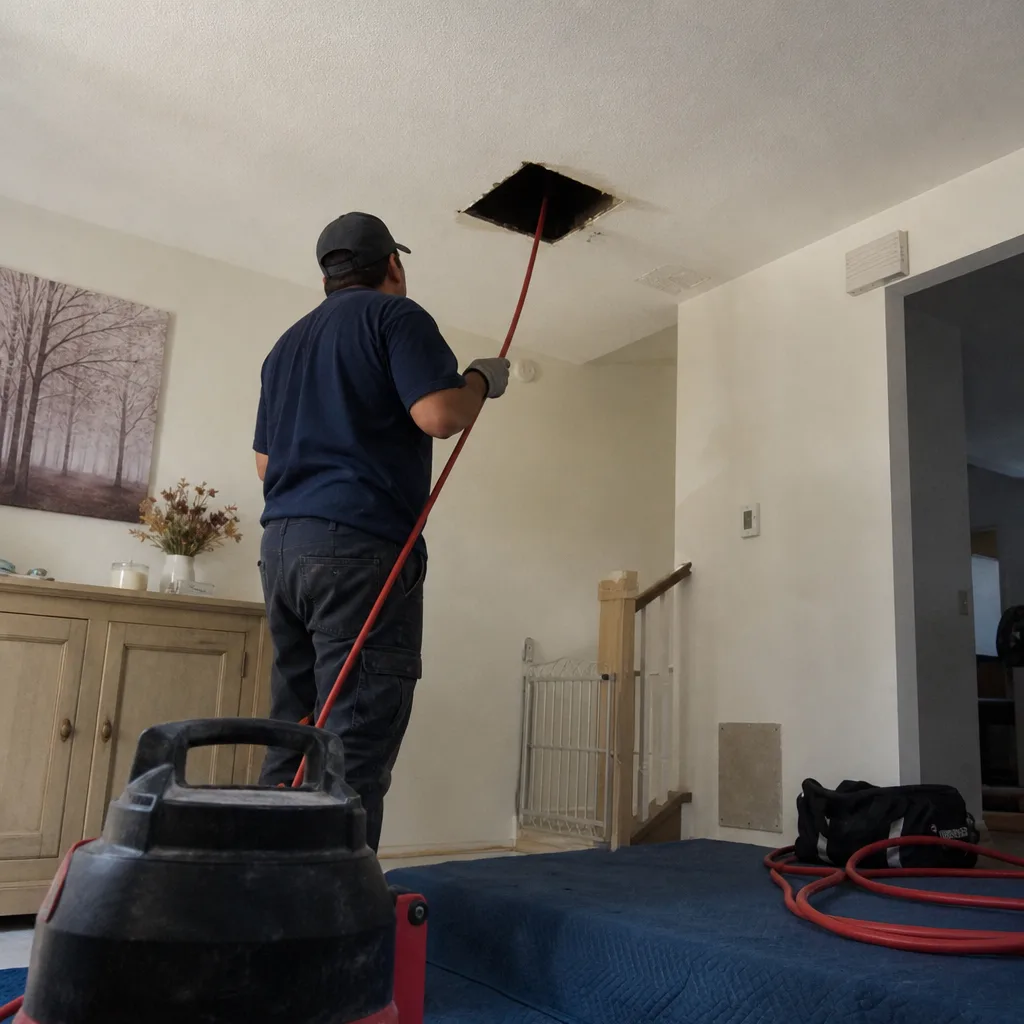 Before
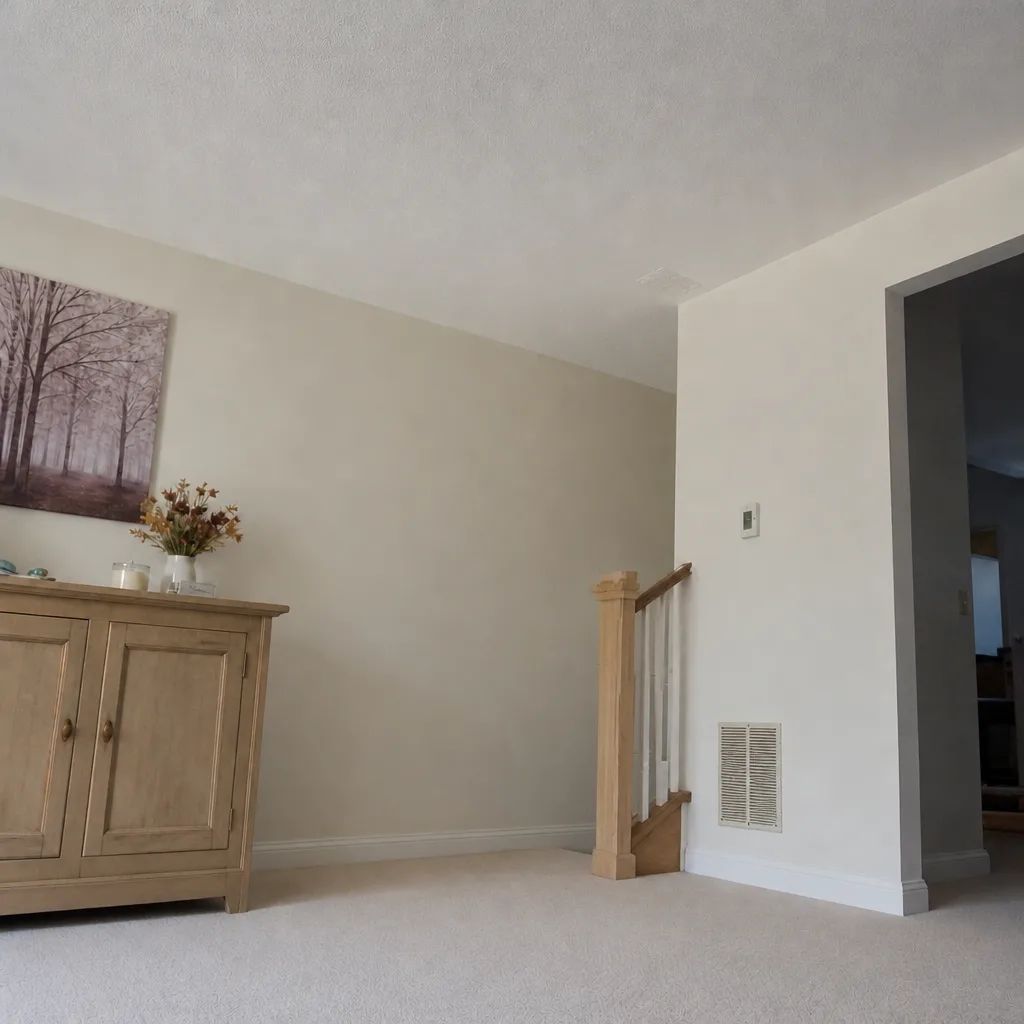 After
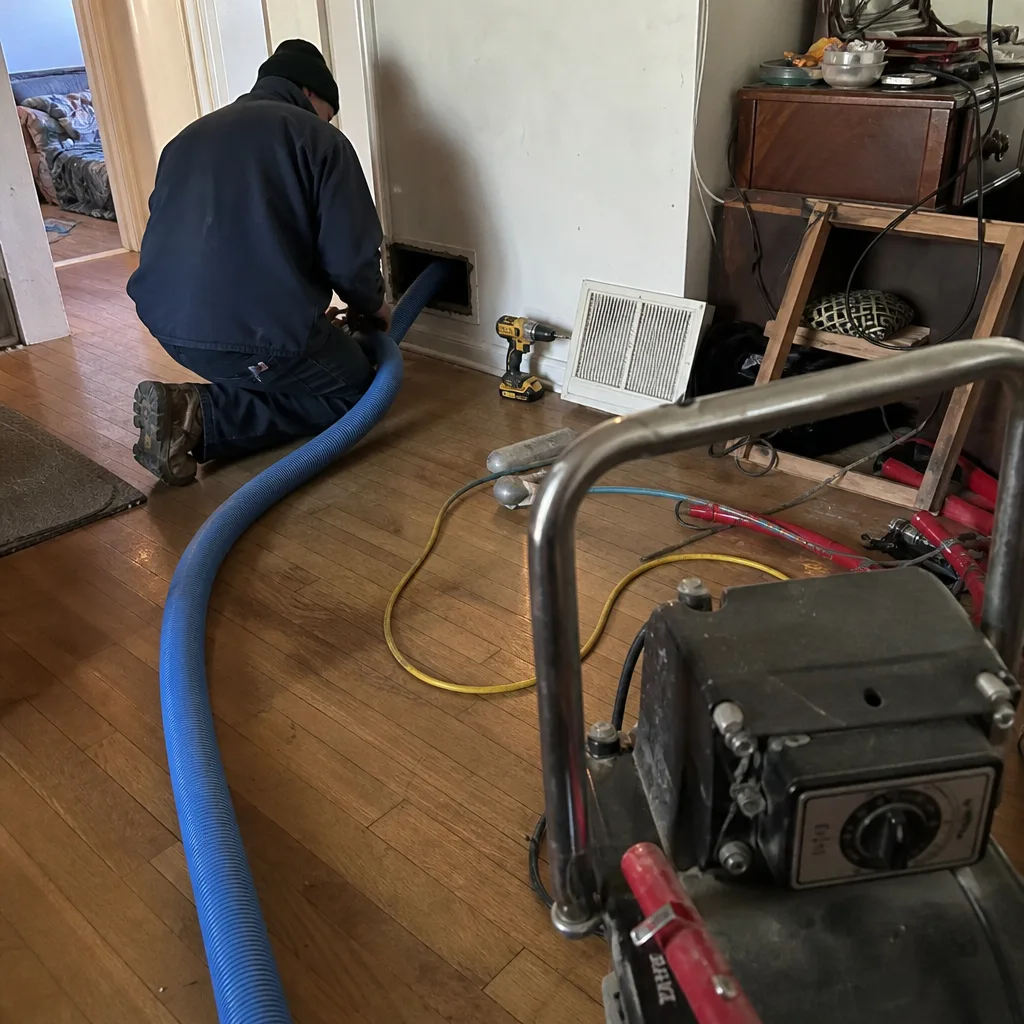 Before
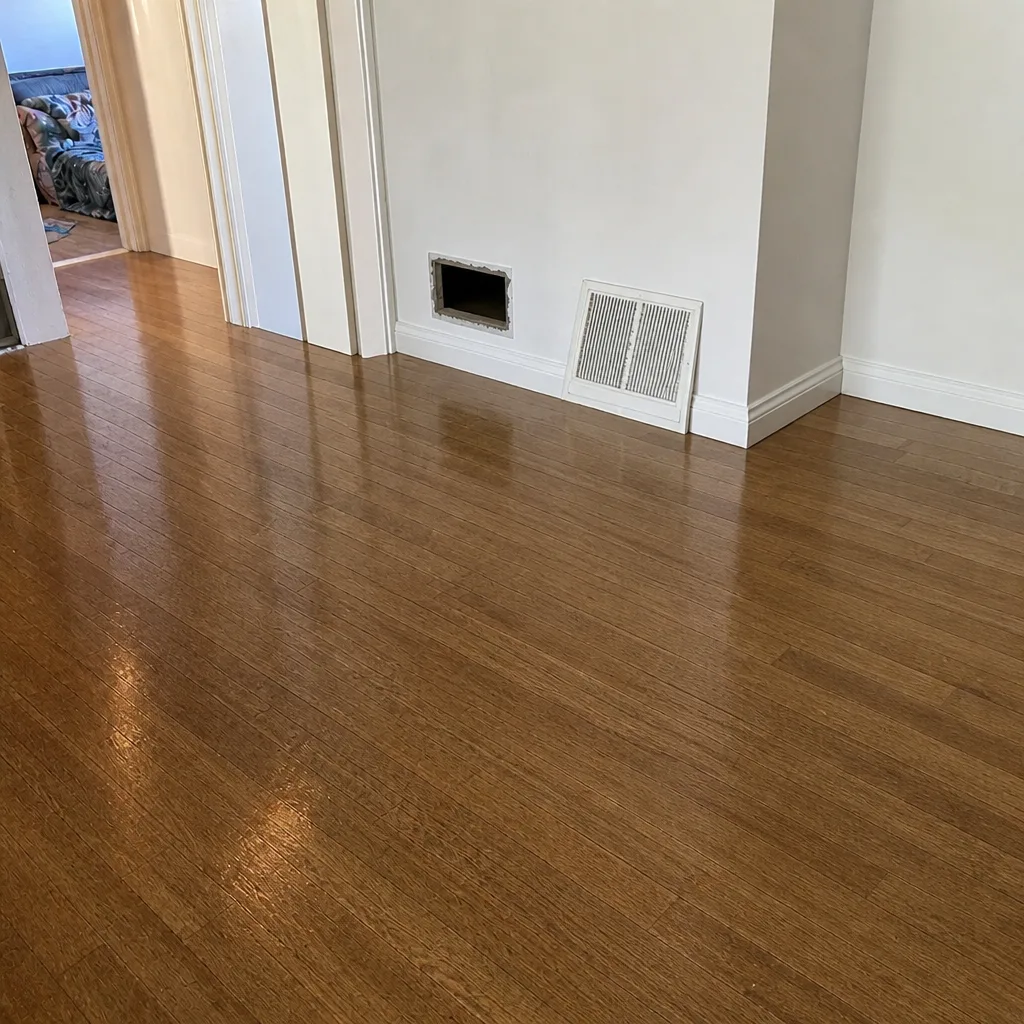 After
When to Call a Professional
Some duct conditions are worth calling about. Visible dust puffing out of a register, an odor that returns every time the HVAC runs, a recent renovation that pulled construction dust into the return, a new HVAC install where the existing ducts haven’t been touched, or a household member whose allergy symptoms get worse indoors are all signals to have the system inspected. So is years of neglect with no idea when the ducts were last cleaned. Full-pathway work involves high-torque equipment, access panels, and in some cases electrical connections at the air handler, so it’s a trained-professional job rather than a homeowner project.
Air Duct Cleaning New Dorp offers free estimates in New Dorp. Call (877) 759-0546. We answer 24/7. Fast dispatch from 7am to 7pm, Sunday through Friday. Our technicians have up to 15 years of experience, and we work with professional-grade Rotobrush and Nikro equipment so the estimate reflects what the job actually needs.
Frequently Asked Questions
Pricing depends on the number of systems, registers, and zones cleaned, plus any repair, sealing, or sanitizing that’s added. A typical single-system job with routine cleaning is quoted at one end, and a two-system home with heavy trunk debris and sealing at the other. The written estimate sets the final price, and it’s free. Call (877) 759-0546 for an exact quote.
Cheap quotes usually cover a smaller scope, often register-only or trunk-only cleaning without coil, blower, plenums, or documentation. They may also skip negative pressure, which changes the equipment required. The difference isn’t the price; it’s what the price includes. Call (877) 759-0546 to walk through the scope before you book.
Ask for photos of your own ducts before and after cleaning, register airflow readings, and a written summary of which zones were cleaned. A company that can’t produce any of that hasn’t given you proof. Call (877) 759-0546 and we’ll explain what our documentation covers.
Most homes do fine with cleaning every few years when filters are changed on schedule and the system is sealed. Homes with pets, recent renovation, allergies, or a system that’s been neglected will often benefit from a shorter interval. An inspection tells you whether it’s time. Call (877) 759-0546 to schedule one.
They’re separate services and can be combined on the same visit. Dryer vents collect lint that reduces dryer efficiency and poses a fire risk, and it’s often overlooked when ducts are cleaned. Call (877) 759-0546 to include dryer vent cleaning in your estimate.
Not always. Sanitizing makes sense after a renovation, after years of neglect, or when odor or moisture is present. On a clean, sealed system, it’s a targeted upgrade rather than a routine add-on. Call (877) 759-0546 to talk through whether it fits your situation.
The Bottom Line
A thorough air duct cleaning in New Dorp covers six zones, not one: air handler, coil, blower, plenums and trunks, branches, and registers. Negative pressure and rotary-contact cleaning work together to remove debris rather than redistribute it. A pre-cleaning inspection documents the baseline, and before-and-after photos plus airflow readings are the proof a job was done. Repair and sealing keep the system clean afterward. If a quote doesn’t cover the full pathway, don’t expect full-pathway results.
Call (877) 759-0546 for a free estimate on air duct cleaning. We answer 24/7. Fast dispatch from 7am to 7pm, Sunday through Friday.
Written by the team at Air Duct Cleaning New Dorp.