
Last updated November 24, 2026
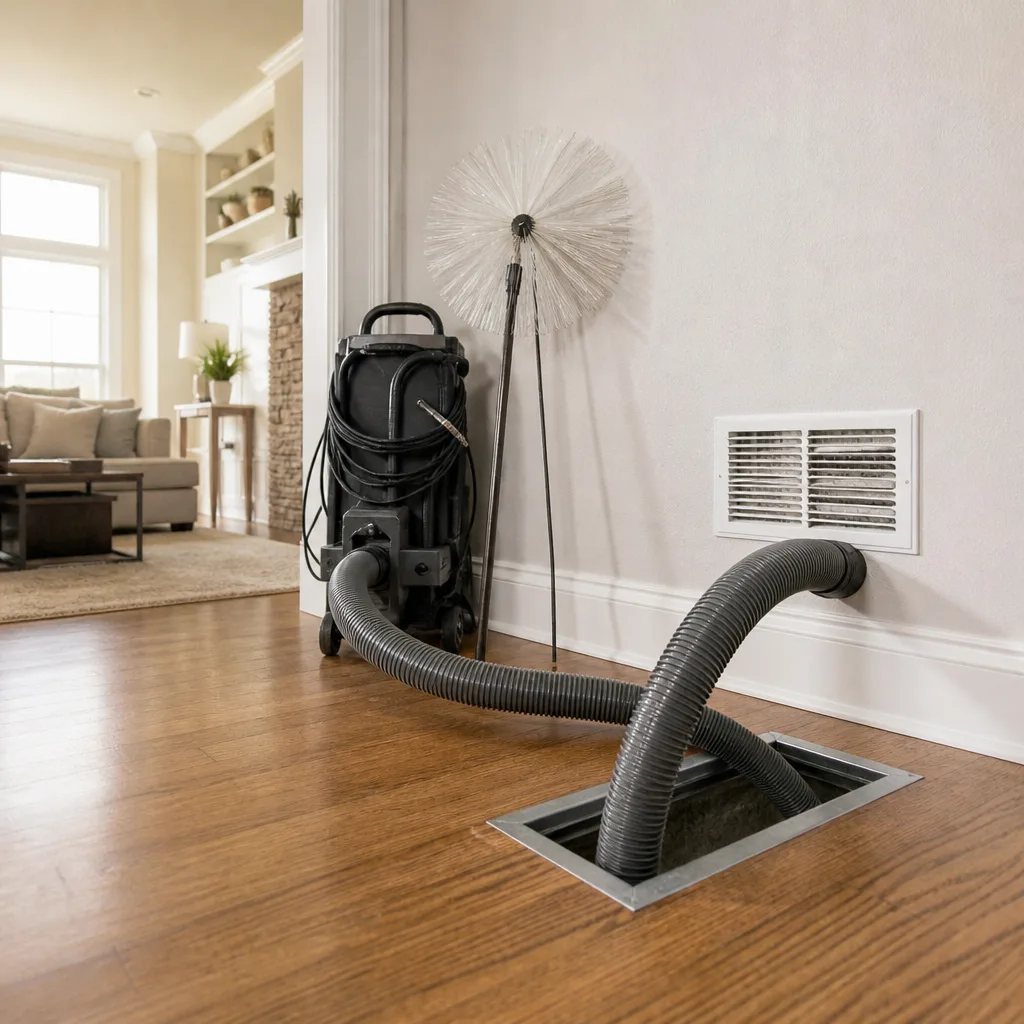 Whole-home duct cleaning
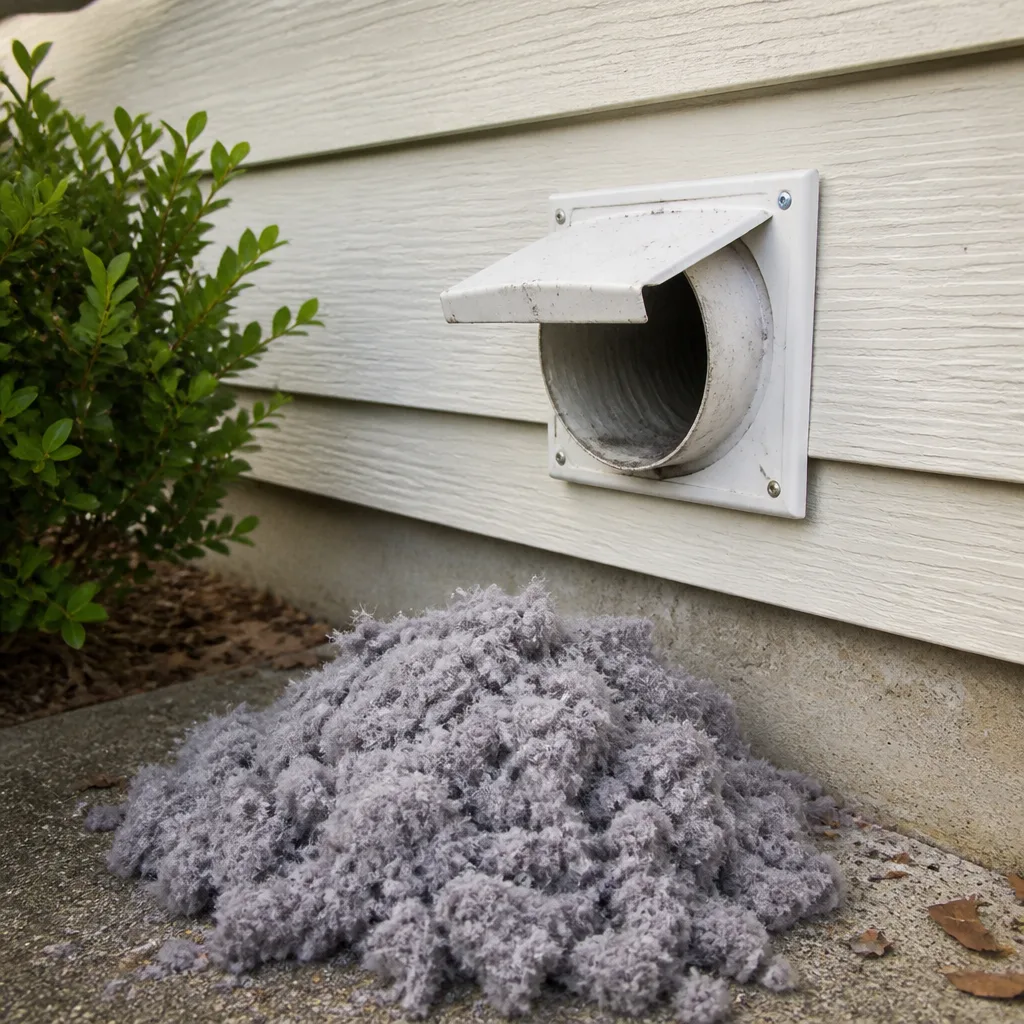 Dryer vent cleaning
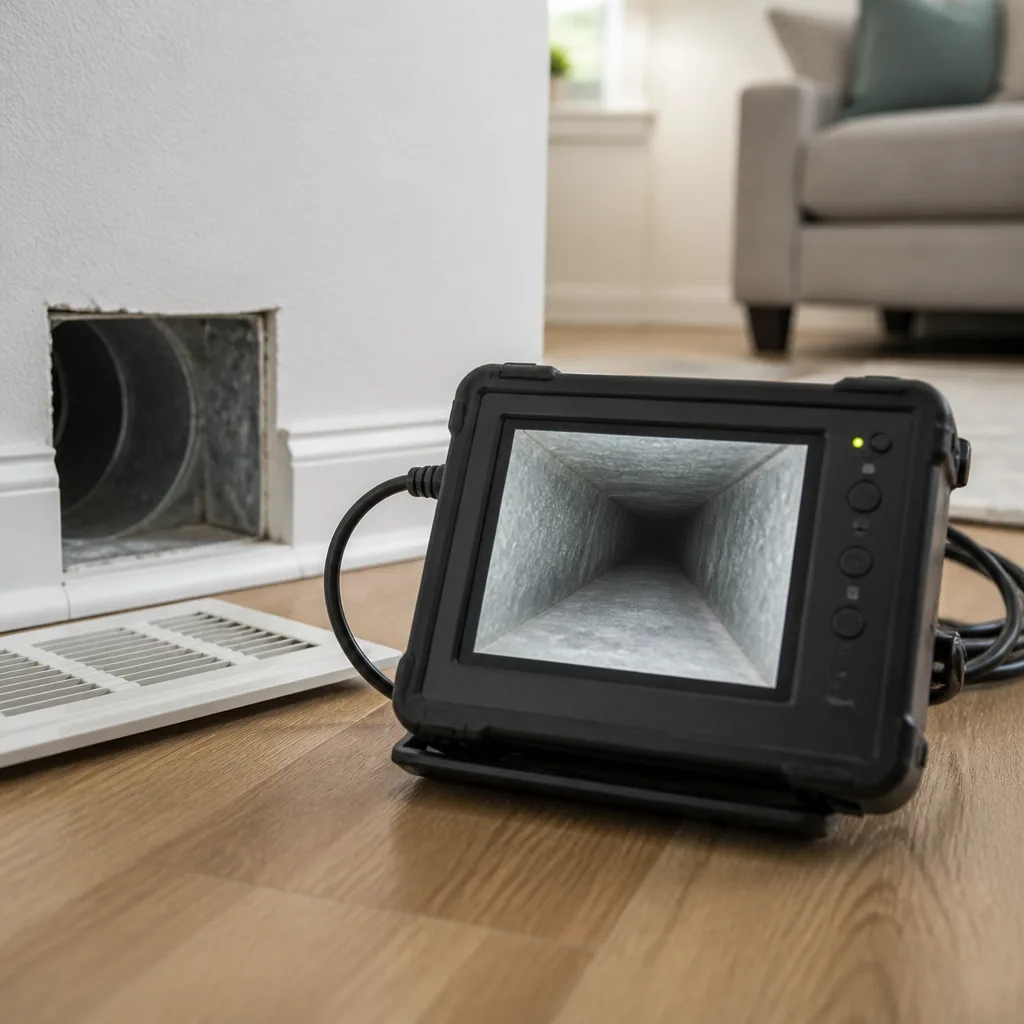 Camera inspection
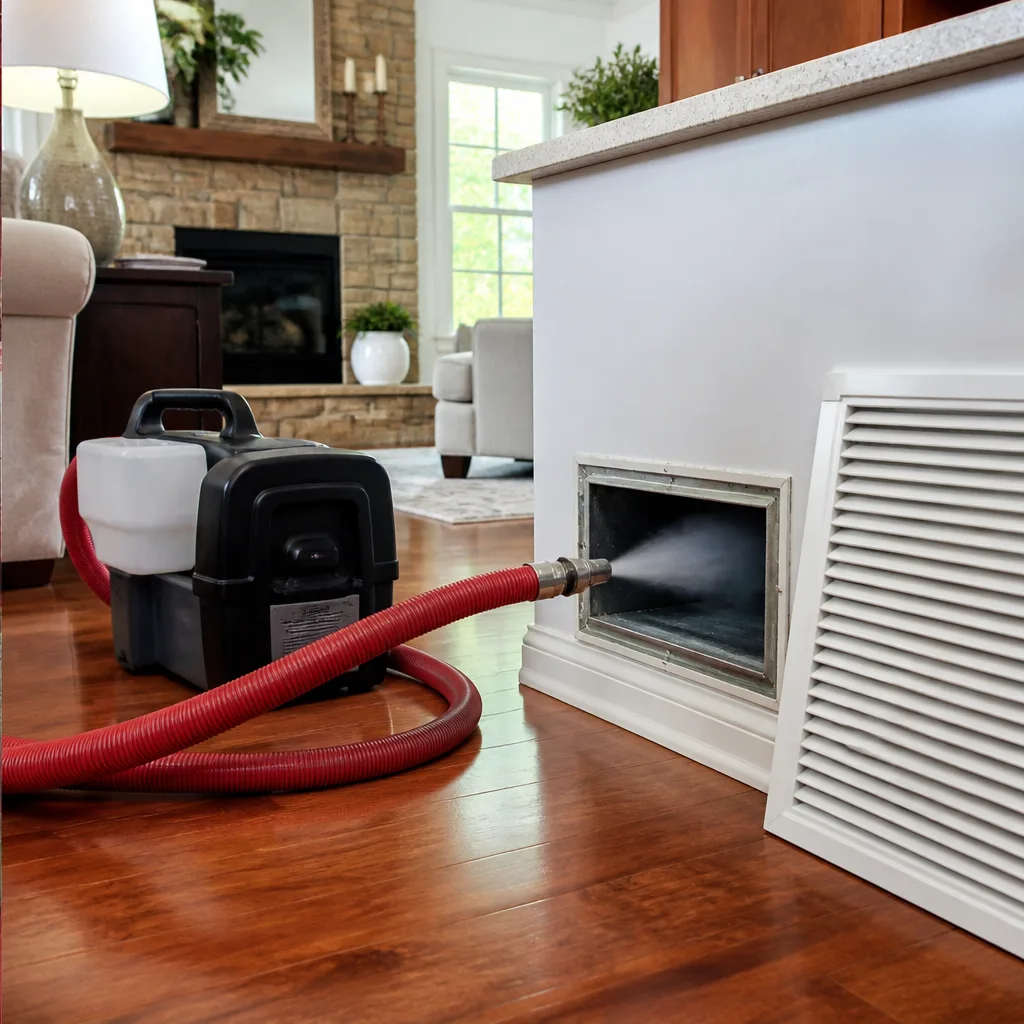 Sanitizing & deodorizing
Whole-system duct and dryer vent check with before-and-after photos - you see exactly what came out of your vents
That "$99 whole-house special" is a bait ad - the real number appears once they are in your hallway, or the "clean" is a shop-vac at the register. We photograph the inside of your ducts before and after instead.
DIY vs Professional Air Duct Cleaning: The New Dorp Homeowner’s Decision Guide
Running a consumer brush attachment through a duct register without negative-pressure containment doesn’t clean your ducts. It mobilizes settled debris into the airstream and distributes it through every room in the house for the next day or so. That’s the uncomfortable part most DIY advice skips. The question of whether to clean your ducts yourself or bring in a professional isn’t really about effort or willingness. It’s about equipment physics: what pressure and airflow it actually takes to dislodge compacted debris and capture it before it lands on your furniture. In New Dorp, where a lot of homes run forced-air systems through finished basements and tight closets, this distinction matters more than most homeowners realize. Below, we draw the line precisely: what you can legitimately handle yourself, what requires professional equipment, and how to tell which situation you’re in.
Quick Answer
Homeowners can and should handle register grille cleaning, filter changes, and lint trap maintenance themselves. Anything past the register – meaning the interior of the duct runs, the plenum, the coil face, and the fan housing – needs negative-pressure equipment and rotary-contact tools operating well beyond what a shop vacuum or box-store duct kit can deliver. DIY attempts on the deep system typically redistribute debris rather than remove it. Professional cleaning is the right call when the system has never been cleaned, when you see visible buildup on the coil, when someone in the house has respiratory sensitivity, or after a renovation or new HVAC install.
Styles & brands we work with
- Whole-home duct cleaning
- Dryer vent cleaning
- Camera inspection
- Sanitizing & deodorizing
Table of Contents
- The Physics Behind the DIY vs Professional Divide
- What You Can Legitimately Do Yourself
- How DIY Attempts Make Professional Cleaning Harder
- How to Assess Whether Your System Needs Professional Cleaning Now
- The Warranty and Liability Question
- What Professional Cleaning Actually Involves
- When to Call a Professional
- Frequently Asked Questions
The Physics Behind the DIY vs Professional Divide
Duct cleaning is a source-removal process, not a surface-wipe process. To remove debris from the walls of a duct, you need two things working together: mechanical contact to dislodge material that has bonded to the surface, and enough negative pressure to capture that material before it becomes airborne in the living space. Consumer equipment delivers neither at the scale residential ductwork requires.
A typical shop vacuum pulls somewhere in the range of 150 to 250 cubic feet per minute (CFM) under ideal conditions, and far less once you attach a long hose with elbows. A professional duct cleaning system runs negative-pressure containment at many times that airflow, often driven by a Nikro HEPA vacuum unit sized specifically for the home’s duct volume. The rotary-contact heads on a Rotobrush system add a mechanical component – whipping brushes that dislodge compacted debris from every side of the duct wall – which no hand-held brush can replicate at depth.
The gap comes down to this: a consumer brush strokes the top and sides of the duct you can reach. A rotary system reaches the full circumference of every run and keeps the dislodged material under negative pressure so it goes into a HEPA filter, not into the room. We’ve seen what happens when a homeowner tries the DIY route on a system that’s never been touched: the register fills with debris during the attempt, the room smells faintly of dust for days, and the ducts look no better than they did before. The physics don’t cooperate with consumer-grade tools.
The same principle applies to Air Duct Cleaning New Dorp on a professional level. When we clean a system, the negative-pressure unit is connected to the main trunk or plenum, the supply and return registers are sealed, and the rotary tool does the wall-contact work from inside the duct under a containment envelope. That’s the only arrangement in which the debris goes to the filter rather than into your living room.
What You Can Legitimately Do Yourself
This is the honest part of the equation: there is real maintenance work a homeowner can and should handle. DIY duct maintenance isn’t the same as DIY duct cleaning, and the difference is where the work happens. The register face is yours. The interior of the run is not.
Here’s what falls clearly on the homeowner side of the line:
- Supply and return register grille cleaning. Pop off the grilles, wash them in the sink with a mild detergent, dry them fully, and put them back. This removes surface dust that would otherwise feed back into the airstream. Do it at least twice a year, more often if you notice buildup.
- Filter changes. The filter is the single most important maintenance item in any forced-air system. Check it monthly during heating and cooling season, replace or clean it per the manufacturer’s recommendation. A clogged filter starves the system, strains the blower, and accelerates coil fouling. This alone preserves more duct cleanliness than any consumer brush kit.
- Dryer vent lint trap cleaning. Pull the lint screen before every load. Every few months, disconnect the flexible transition duct behind the dryer and clear the lint that collects there. This is fire-risk reduction, not just maintenance, and it’s absolutely a homeowner task. For the full run, though, a professional dryer vent cleaning handles the long horizontal or vertical runs that a homeowner can’t reach.
- Accessible plenum visual inspection. If you can safely open a filter slot or a service panel near the air handler, look inside with a flashlight. You’re not cleaning, just checking. Dust matted on the coil face, standing debris in the plenum floor, or visible gaps in the duct seams tell you it’s time for a professional assessment.
- Keeping the return path clear. Don’t block return grilles with furniture, rugs, or boxes. A restricted return pulls harder and stirs up more debris in the system.
None of these require special equipment. They require a schedule and a bit of attention. Our technicians have up to 15 years of experience and will tell any New Dorp homeowner the same thing: if you keep filters fresh and grilles clean, you extend the interval between professional cleanings.
How DIY Attempts Make Professional Cleaning Harder
Here’s the counterintuitive part. A DIY attempt on the deep system isn’t just ineffective. In some cases it actively makes the eventual professional job harder, and therefore more costly, than if the homeowner had simply waited.
Consumer brush attachments and shop vacuums don’t have the airflow to carry dislodged debris all the way to a capture point. So the material they detach gets moved, not removed. It settles further downstream or collects in low spots and elbows. Worse, a rotating consumer brush on a flexible rod can pack soft material into seams and gaps that a professional rotary system would have handled cleanly. Loose debris in the plenum or coil face becomes compacted debris when a homeowner presses a brush into it without the corresponding vacuum pressure pulling material away.
Redistribution is the other problem. Without negative-pressure containment, the dust and particulate that comes loose during a DIY attempt goes somewhere. It goes into the room where the register is, into adjacent rooms once the system cycles on, and into the return air path. The homeowner often sees a puff of dust, assumes that was the worst of it, and moves on. The actual state of the system is unchanged or slightly worse.
There’s also a mechanical risk that’s easy to underestimate: pushing a rigid brush or a consumer auger through a residential duct can damage flex duct interior liners, dislodge insulation, or snag on a turning vane. That kind of damage turns a standard cleaning into a repair. Duct repair and sealing is part of the service portfolio for a reason: fixing the root cause of a leaky or damaged duct run is often the right next step after a failed DIY attempt.
How to Assess Whether Your System Needs Professional Cleaning Now
Not every home needs professional cleaning this season. Some systems are genuinely fine on light maintenance for another round. The honest way to decide is by observable conditions, not by fear or by a coupon in the mailbox.
Work through this checklist. If two or more of these apply to your New Dorp home, a professional cleaning is worth scheduling now:
- Visible debris or dust streaks at the supply registers. A small amount of dust on a grille face is normal. Dark streaks or a fine mat of debris on the register louver suggests debris is being pushed out of the duct every cycle.
- Matted or visibly fouled evaporator coil. If you look at the coil through the filter slot and see a grey blanket of dust, the coil is restricting airflow. That’s a professional job.
- Recent renovation or drywall work. Construction dust settles into return runs in ways that a filter change won’t touch. Clean the system after major work, not before.
- New HVAC install or system replacement. A new system deserves clean ducts. Debris from an old system contaminates the new coil quickly.
- Persistent musty or stale smell when the system cycles on. This usually indicates microbial growth somewhere in the system, most often on the coil or in a damp duct segment. Cleaning and sanitizing – we use Honeywell and Aprilaire-compatible solutions – is the appropriate response.
- Allergy or respiratory symptoms that flare in the house. Before assuming the ducts are the cause, rule out other sources. But if symptoms track with the HVAC cycle, that’s a strong signal.
- Never cleaned, or last cleaned many seasons ago. Duct cleaning isn’t an annual necessity for every home, but a system that’s never been cleaned at all, in a house old enough to have accumulated years of debris, is usually due.
If none of those apply and your filters are fresh, you can run light maintenance for another heating or cooling season without concern. That’s a fair position for a lot of homes. Duct cleaning should be triggered by conditions, not by a schedule imposed on you.
The Warranty and Liability Question
If your HVAC system is under a manufacturer’s warranty or an active service contract, DIY intervention on components inside the air handler or on the duct system itself can put that coverage at risk. This is a detail homeowners often miss, and it’s worth knowing before you pick up a brush.
Most manufacturer warranties cover defects in materials and workmanship, and most exclude damage from improper maintenance or unauthorized intervention. Pushing a brush or auger through ductwork and damaging a flex liner or interior insulation isn’t a manufacturing defect. It’s damage from an unapproved method. Service contracts vary widely, but many stipulate that the system must be maintained by qualified technicians following the manufacturer’s procedures. A homeowner performing invasive cleaning can void that clause.
There’s also a quieter liability: any damage you cause to the duct system or the air handler while trying to clean it becomes your repair to pay for. A snagged brush that tears a flex run, a loosened seam that starts leaking conditioned air into a wall cavity, or a plenum seal that gets disturbed are all problems that a professional would have handled correctly the first time. Add the cost of the repair to the cost of the aborted DIY attempt and the equation rarely favors the DIY route.
The clean way to think about it: routine maintenance (filters, grilles, lint traps) sits firmly in homeowner territory and won’t affect coverage. Invasive intervention on the duct system or air handler sits in professional territory. If you’re not sure which side of the line your project falls on, ask. A free estimate tells you what needs doing and what it will cost before you commit.
What Professional Cleaning Actually Involves
Understanding what happens during a professional cleaning makes the DIY vs professional decision easier, because it shows you exactly what consumer equipment can’t do.
A legitimate professional cleaning proceeds in roughly this order:
- Assessment. We inspect the system – supply and return runs, the plenum, the air handler, the coil – to determine scope and identify any obvious damage or leaks.
- Containment setup. A high-capacity Nikro HEPA vacuum unit is connected to the main trunk, and all registers are sealed. The system is put under negative pressure so that anything dislodged during cleaning is captured at the source rather than recirculated into the home. Abatement Technologies air-filtration units are deployed on-site as a second capture layer, grabbing fine particulate that would otherwise escape into the living space during the process.
- Rotary-contact cleaning. Rotobrush rotary-contact tools – the same class of equipment used by commercial contractors – run through each duct run, dislodging compacted debris from the full circumference of the duct wall. This is the step that consumer brushes can’t replicate at depth.
- Dryer vent clearing. The dryer vent is a separate fire-risk reduction service, but it belongs in the same visit because it’s part of the same air pathway concern. Lint buildup in a long dryer run is one of the most commonly overlooked fire risks in residential homes.
- HVAC cleaning. The coil face, the blower housing, and the air handler are cleaned as part of the full-system service. Cleaning HVAC cleaning components alongside ductwork is what closes the loop on air quality.
- Repair and sealing. Any gaps, disconnected runs, or seam failures are addressed. Cleaning without sealing just means the next round of debris gets in through the same gaps.
- Sanitizing (optional but often appropriate). For systems with microbial growth or persistent odors, we apply Honeywell and Aprilaire-compatible sanitizing solutions to the cleaned system.
Our technicians have up to 15 years of experience running this sequence in New Dorp homes. Every job includes before-and-after photos of your own ducts, and one flat price per system is agreed before work starts. That’s the standard we hold ourselves to, and it’s why we don’t quote per-vent prices or teaser coupon figures.
When to Call a Professional
Call us when the system itself is the concern, not the register face. That means visible debris inside the supply or return runs, a fouled coil, persistent odors when the system cycles, a recent renovation, a new HVAC install, or a system that’s never been cleaned. It also means any point at which you’re considering pushing a brush or auger past the register – that’s the moment the job stops being maintenance and starts being a professional cleaning. Damage from a DIY attempt on flex duct or a plenum seal is more expensive to fix than the cleaning would have been. Our technicians have up to 15 years of experience and a full service portfolio: cleaning, dryer vent, HVAC, repair and sealing, and sanitizing under one roof. Skip the coupon-in-the-mailbox approach and get a written estimate that holds.
Air Duct Cleaning New Dorp offers free estimates in New Dorp – call (877) 759-0546.
See the difference
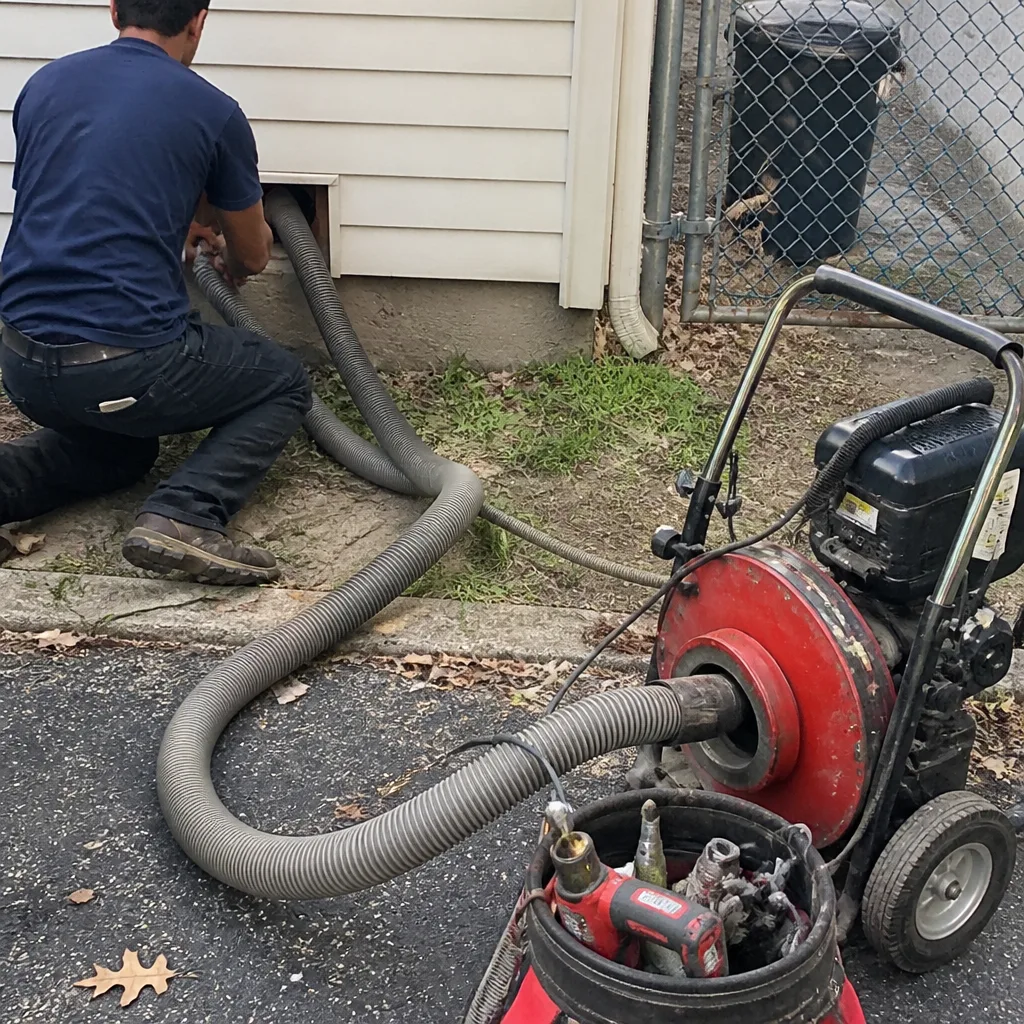 Before
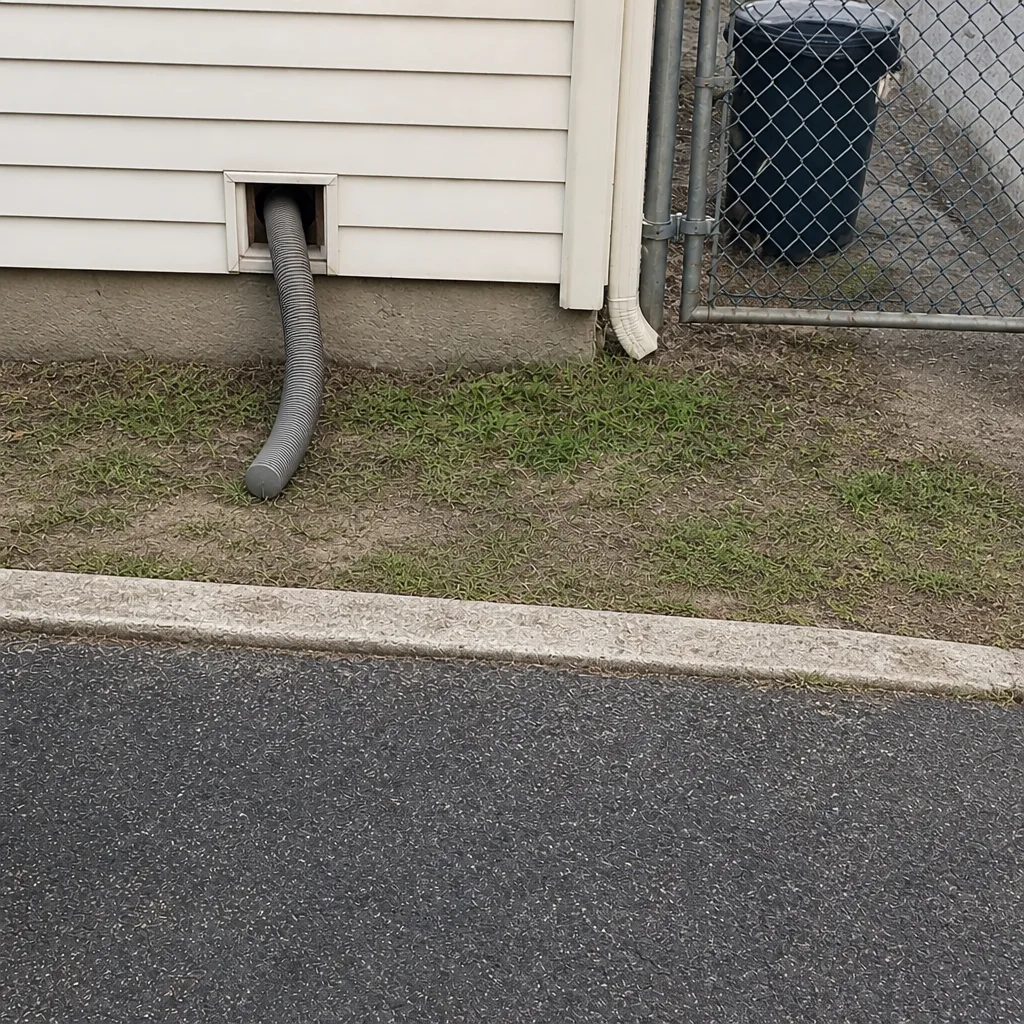 After
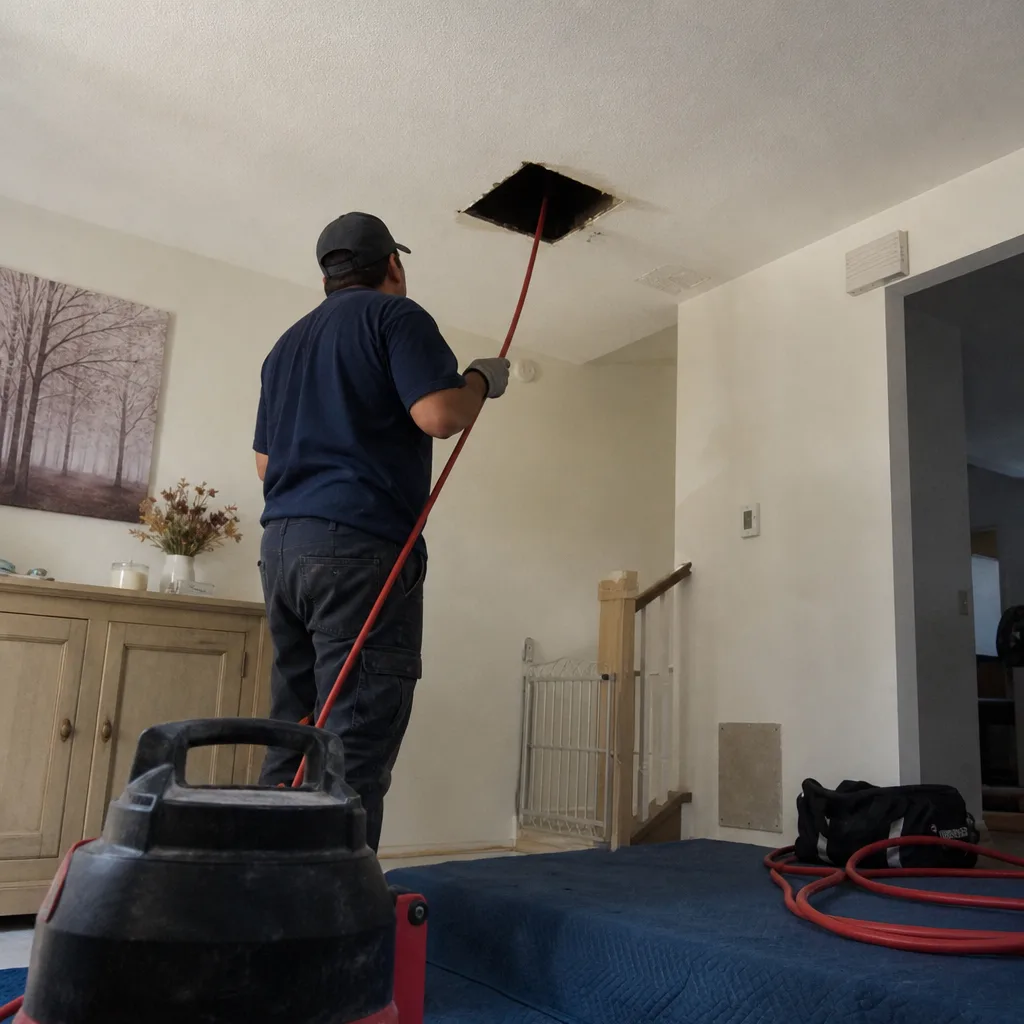 Before
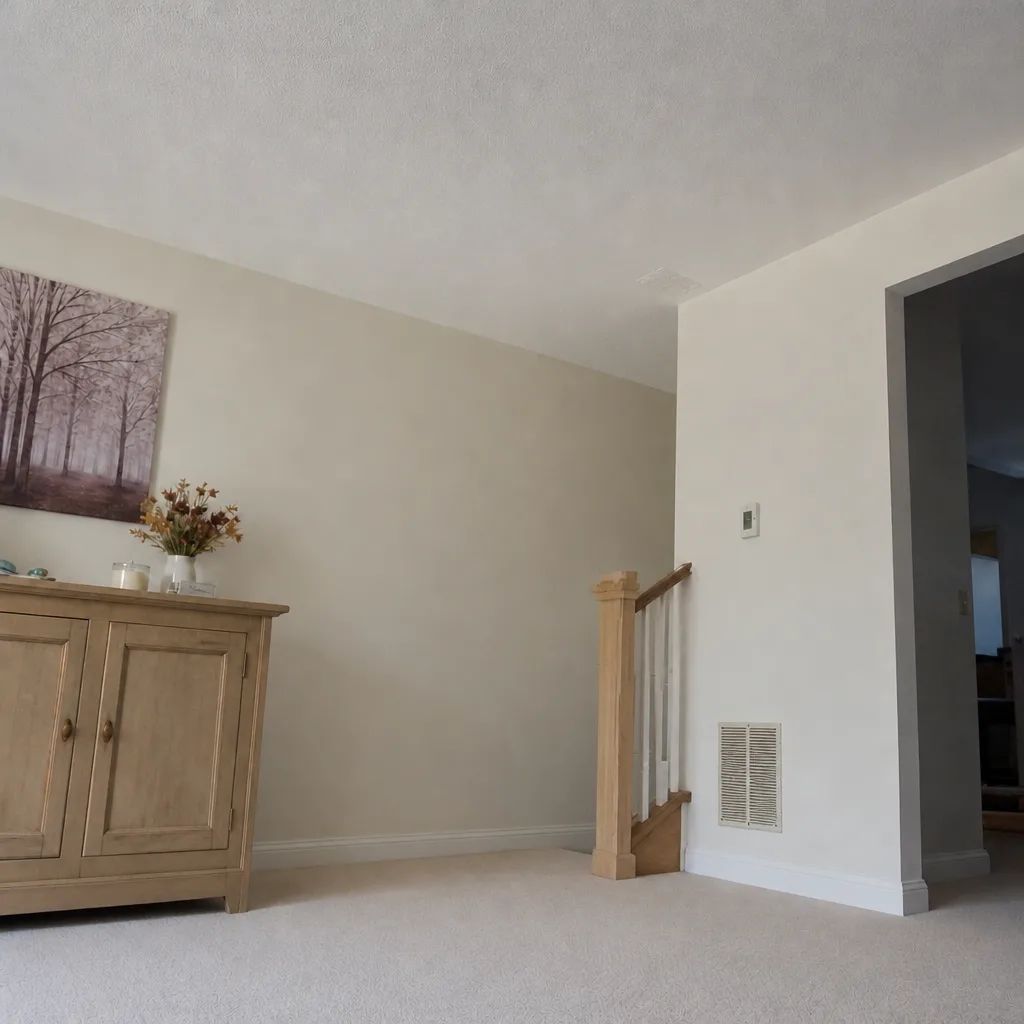 After
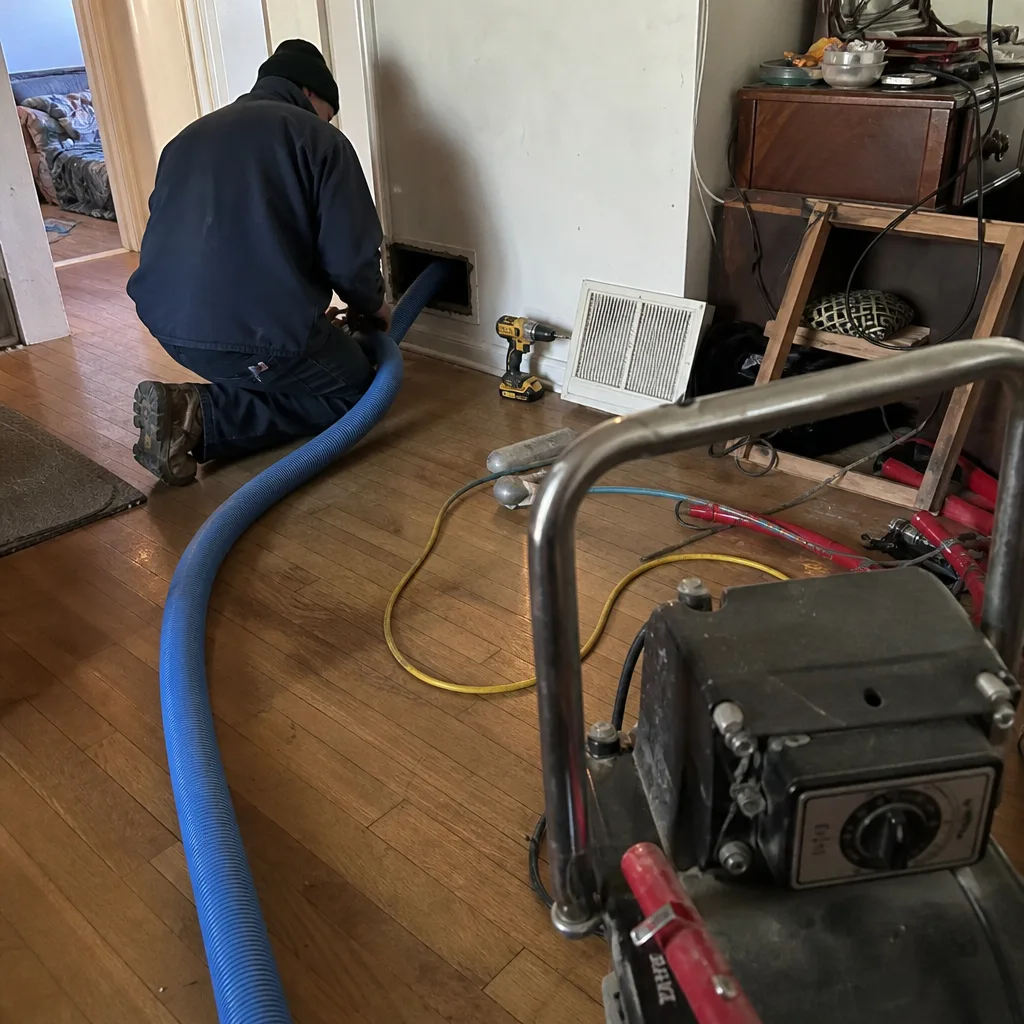 Before
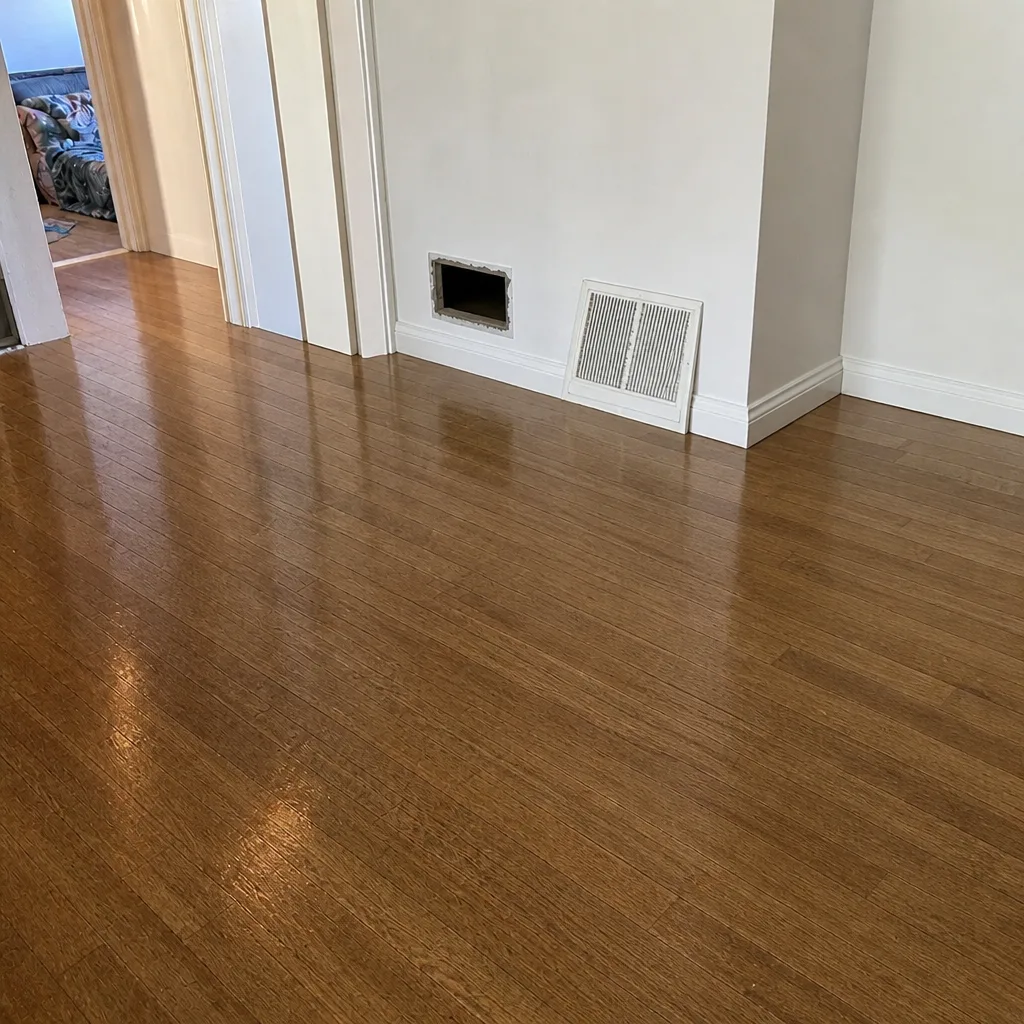 After
Common Mistakes to Avoid
- Assuming a shop vacuum and a brush is duct cleaning. It isn’t. Without negative-pressure containment and rotary-contact tools, you’re redistributing debris, not removing it. The perceived activity is real; the result isn’t.
- Running the system while cleaning. Running the HVAC while a register is open or a brush is in the duct pushes dust straight through the house. It’s the most common DIY error we hear about.
- Brushing without inspecting the coil face first. If the coil is already fouled, brushing the duct downstream just pushes debris toward the restriction. Look at the coil first, then decide what the system needs.
- Ignoring the dryer vent because “it’s not a duct”. In New Dorp homes with long dryer runs, lint accumulation is a real fire risk. A homeowner clearing the lint trap isn’t clearing the vent.
- Cleaning only the visible runs. Returns and plenums that you can’t see from a register often hold the most debris. That’s exactly where DIY approaches fail.
- Using a consumer duct cleaning kit on flex duct. Rigid augers and stiff brushes can snag and tear flex liner, turning a cleaning into a duct repair. Flex interior liners are delicate.
- Forgetting the filter schedule. More DIY frustration traces to a clogged filter than any other single issue. Change the filter, then decide what else needs doing.
Frequently Asked Questions
Air duct cleaning in New Dorp is priced per system, not per vent. Anyone quoting a per-vent price or a coupon figure isn’t giving you a comparable number – the coupon price is rarely the final invoice. We set one flat price per system based on your system’s size and configuration, agreed before work starts, with the written estimate as the final word. Call (877) 759-0546 for an exact quote – estimates are free.
Cheap quotes usually reflect either consumer-grade equipment or a per-vent approach that never intended to clean the full system. The low number gets you in the door, then the invoice you actually pay looks different once the technician is on-site. That’s the bait-and-switch pattern this industry has earned a reputation for. The right comparison isn’t the headline number, it’s the equipment list and the scope that number covers. Call (877) 759-0546 and we’ll walk you through what a legitimate quote should include.
Ask for before-and-after photos of your own ducts, not stock photos of someone else’s system. Every job we do includes photographic documentation of the actual ducts in your home, tied to your specific visit. If a company can’t show you your own system, that’s the answer to the question. Call (877) 759-0546 for a free estimate and a clear look at what the process includes.
There’s no universal schedule that fits every home. Duct cleaning should be triggered by conditions – visible debris, a fouled coil, recent renovation, a new HVAC install, persistent odors, or respiratory sensitivity – not by an annual appointment someone pre-books for you. Homes with pets, allergy sufferers, or recent construction usually need it more often. Homes with clean systems and fresh filters can stretch the interval. Call (877) 759-0546 for an honest assessment – estimates are free.
No, not the way a professional cleaning works. A shop vac doesn’t deliver the airflow or negative-pressure containment required to dislodge compacted debris and capture it before it returns to the living space. Register grille cleaning, filter changes, and lint trap maintenance are absolutely homeowner tasks. Interior duct cleaning needs rotary-contact equipment and source-capture filtration. If you’re unsure where the line is for your system, call (877) 759-0546.
We use Rotobrush rotary-contact systems and Nikro HEPA vacuum units, with Abatement Technologies air-filtration units on-site to capture particulates during cleaning. Source capture is the difference. The system is put under negative pressure before any rotary work begins, so debris goes into the filter, not into the room. Dryer vent clearing, HVAC cleaning, duct repair and sealing, and sanitizing with Honeywell and Aprilaire-compatible solutions are all part of the service portfolio. Call (877) 759-0546 for a free estimate.
The Bottom Line
The DIY vs professional duct cleaning decision comes down to equipment physics, not willingness. You can and should clean registers, change filters, and clear lint traps. Those are legitimate homeowner tasks and they make a real difference. But the interior of the duct runs, the plenum, and the coil face need negative-pressure capture and rotary-contact tools that consumer equipment simply doesn’t deliver. A DIY attempt on the deep system mobilizes debris without removing it, and can make the eventual professional cleaning harder. In New Dorp, when the conditions point to a professional visit, get a written estimate with before-and-after photos and one flat price per system agreed before work starts. No per-vent pricing, no coupon bait.
Air Duct Cleaning New Dorp connects New Dorp homeowners with independent local professionals for air duct cleaning, dryer vent service, HVAC cleaning, duct repair and sealing, and air quality work. Call (877) 759-0546 for a free estimate. We answer 24/7. Fast dispatch from 7am to 7pm, Sunday through Friday.
Written by the team at Air Duct Cleaning New Dorp.