
Last updated November 24, 2026
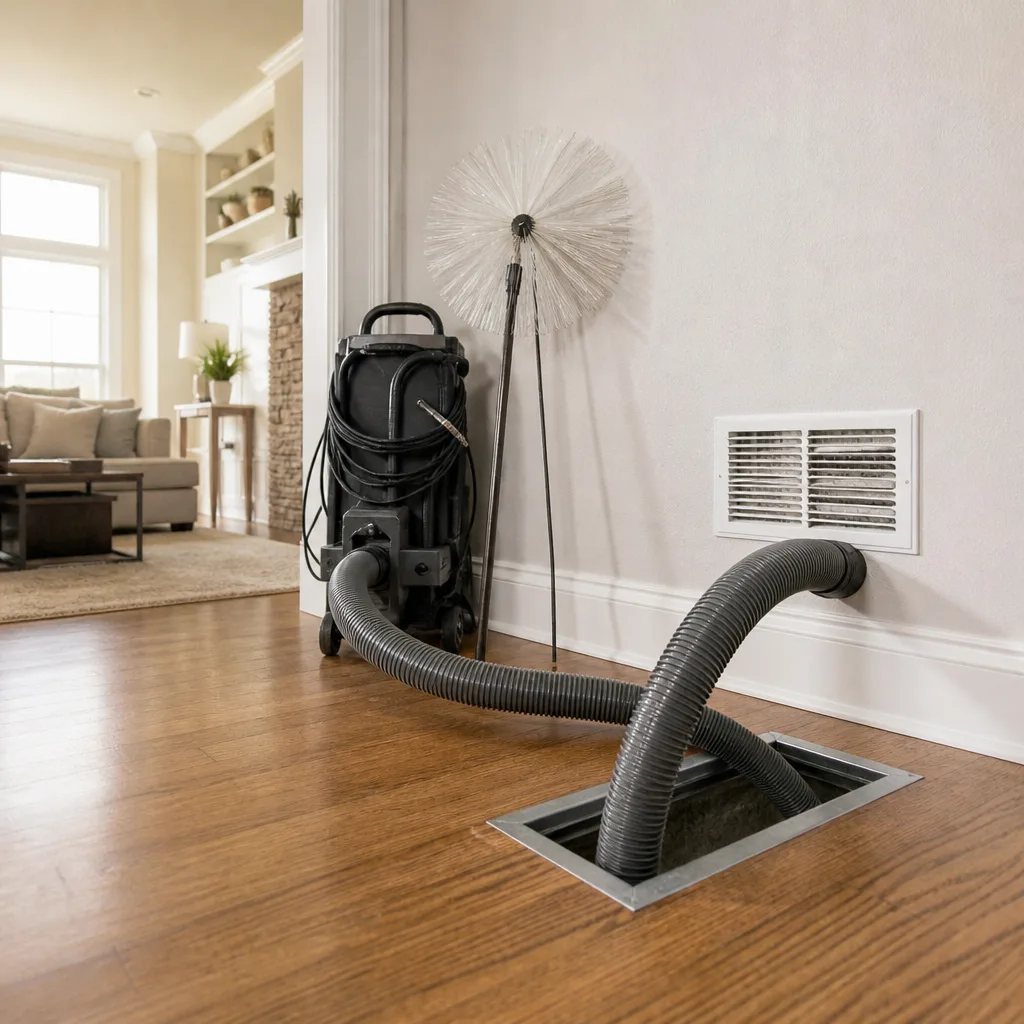 Whole-home duct cleaning
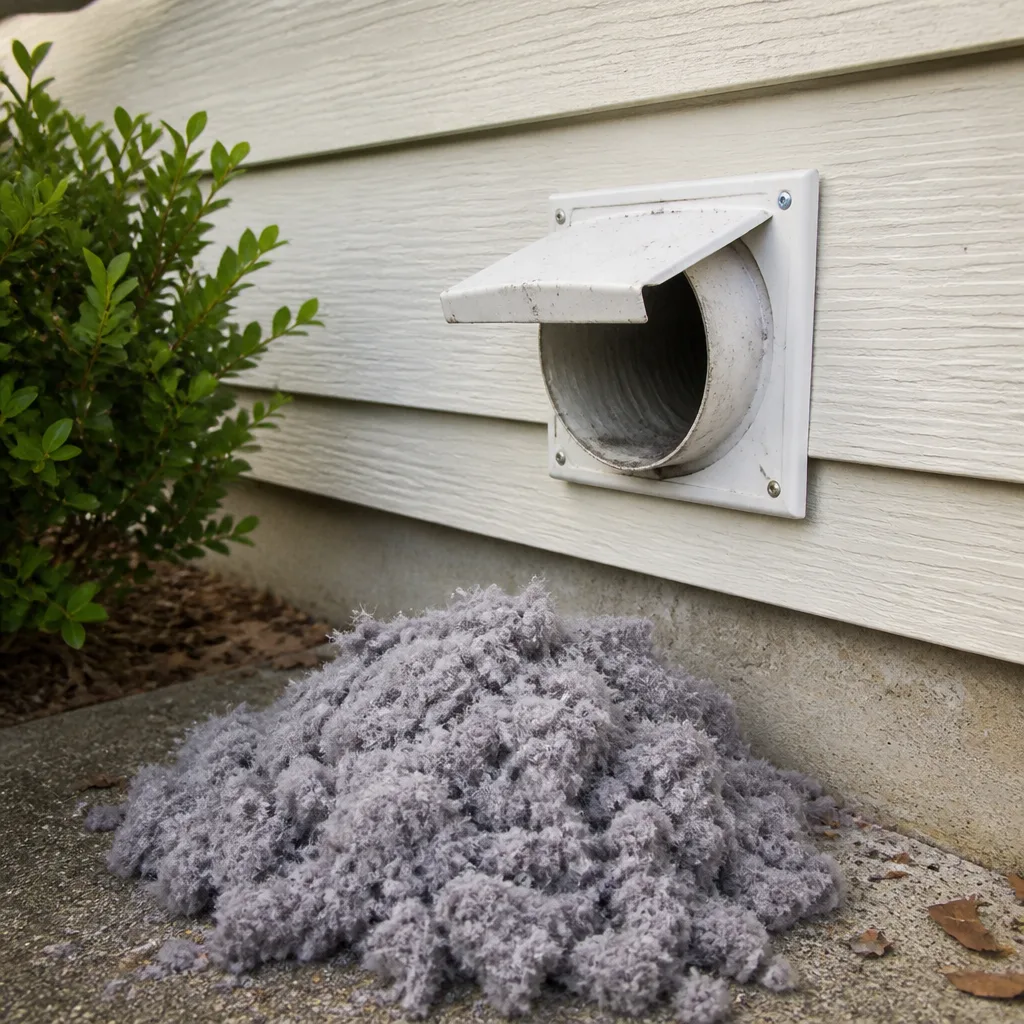 Dryer vent cleaning
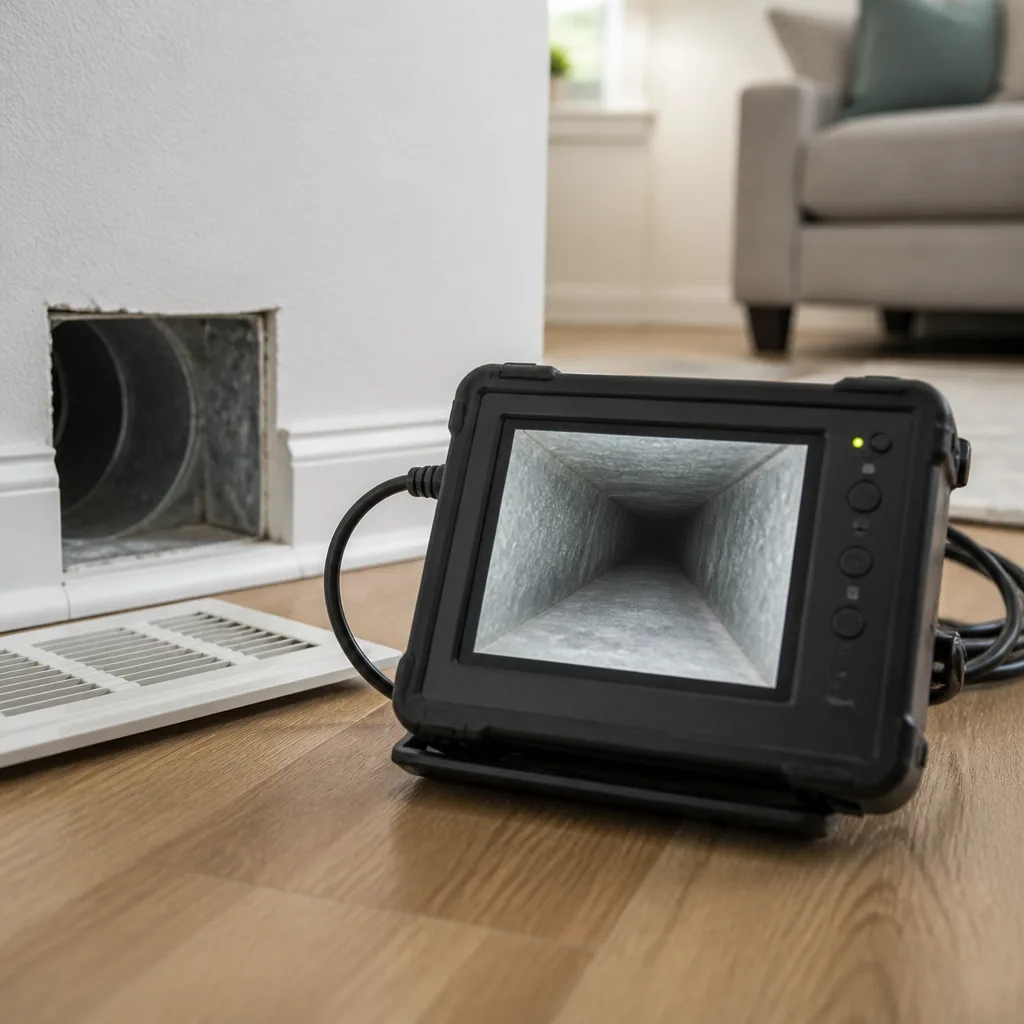 Camera inspection
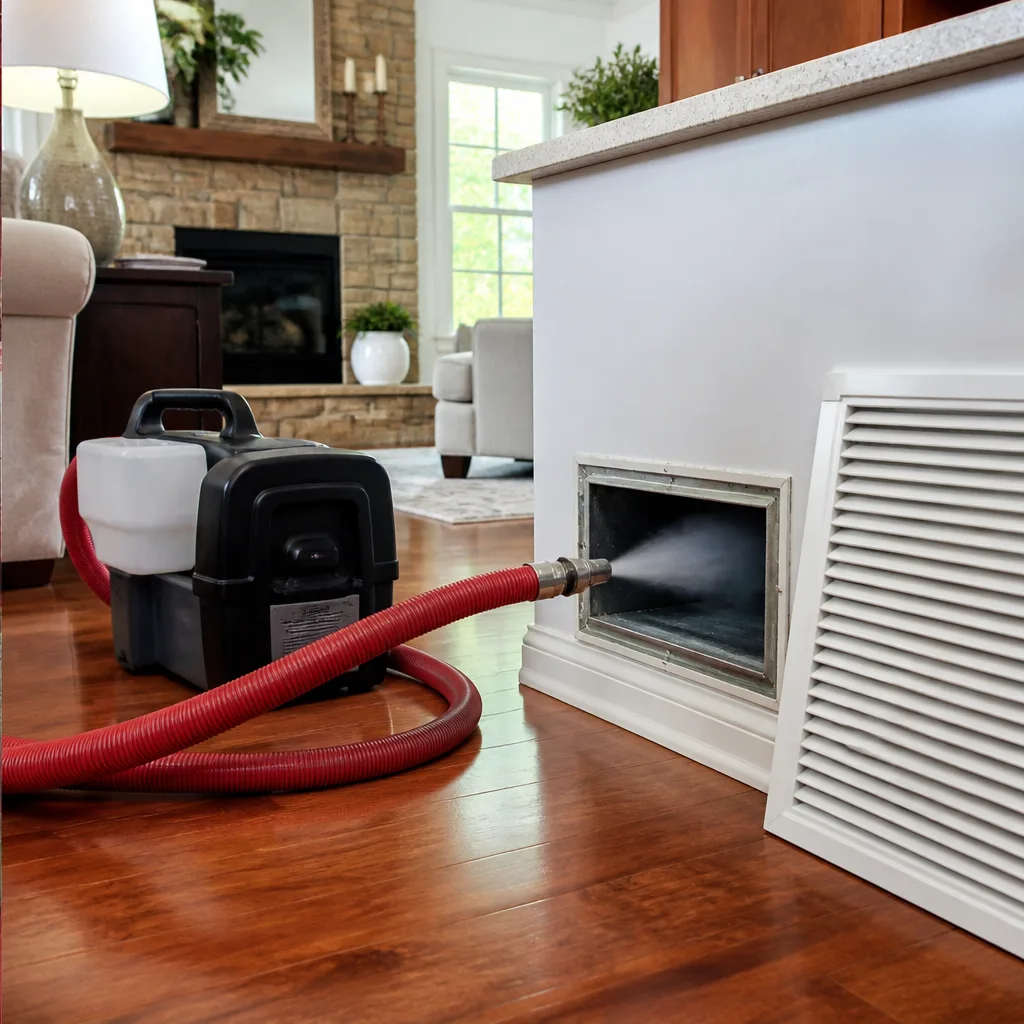 Sanitizing & deodorizing
Whole-system duct and dryer vent check with before-and-after photos - you see exactly what came out of your vents
That "$99 whole-house special" is a bait ad - the real number appears once they are in your hallway, or the "clean" is a shop-vac at the register. We photograph the inside of your ducts before and after instead.
How to Hire an Air Duct Cleaning Contractor in New Dorp: A Step-by-Step Guide
The National Air Duct Cleaners Association estimates that a significant portion of companies offering duct cleaning either use inadequate equipment or upsell unnecessary services, and the homeowner has almost no way to tell the difference after the crew has left. That’s the problem with this trade: the work happens inside sealed chases and behind registers where you can’t watch it. You’re not buying a visible repair. You’re buying a process, and you can only judge the process before the truck pulls away. This guide gives you a contractor-interview framework for New Dorp built around equipment, containment, documentation, and pricing structure – the four things you can actually verify – instead of the one number on the coupon.
Quick Answer
To hire an air duct cleaning contractor in New Dorp, ask five questions before booking: what vacuum and CFM rating they use, what brush system they run, whether they use negative-pressure containment, whether they’re licensed and insured under their own business name, and whether they guarantee before-and-after photos of your own ducts. A contractor who answers all five specifically, in writing, and prices the whole system as one flat figure agreed before work starts is the one worth hiring. A contractor who quotes per vent, opens with a coupon price, or can’t describe their equipment should disqualify themselves.
Styles & brands we work with
- Whole-home duct cleaning
- Dryer vent cleaning
- Camera inspection
- Sanitizing & deodorizing
Table of Contents
- Why Hiring a Duct Cleaner Is Different From Hiring Other Home Services
- The Five Equipment Questions to Ask Before You Book
- How to Spot Bait-and-Switch Pricing Before Work Begins
- What Licensing and Insurance Actually Apply in New York State
- Red Flags Specific to the Staten Island Market
- How to Evaluate Post-Service Documentation
- The Step-by-Step Hiring Checklist
- Why the Full Air Pathway Matters, Not Just the Ducts
Why Hiring a Duct Cleaner Is Different From Hiring Other Home Services
When you hire a roofer, you can see the finished shingles from the sidewalk. When you hire a plumber, the leak either stops or it doesn’t. Duct cleaning gives you none of that feedback. The debris you paid to remove was inside a sealed system when the crew arrived, and it’s either gone or it isn’t. Nobody hands you a receipt for the dust.
That asymmetry is why this trade attracts operators who don’t do the work properly. The customer can’t audit the outcome, so the incentive for a low-effort job is high. The gap between a real cleaning and a cosmetic pass with a shop vac is enormous, and from inside your living room both look like a van in the driveway and a crew with hoses.
In New Dorp specifically, housing stock makes this more consequential than in a lot of places. A large share of local homes are older, with original galvanized or early flex duct runs that have been moving air through the same walls for decades. Some have had additions and HVAC retrofits stacked on top of each other, so the duct layout is part original, part revision, part something a previous contractor improvised. When the system is that layered, a superficial cleaning doesn’t just miss debris – it can miss disconnected runs, crushed flex, and gaps at the plenum that were never sealed. That’s why the vetting process here has to focus on capability and evidence rather than on who answers the phone fastest.
The Five Equipment Questions to Ask Before You Book
Equipment is the single most reliable proxy for whether a duct cleaning company can actually do the work. Ask these five questions on the phone, before anyone is scheduled. A confident operator answers them without hesitation. A coupon operation will get vague fast.
1. What vacuum system do you use, and what’s its CFM rating?
CFM is cubic feet per minute – the volume of air the vacuum moves. Duct cleaning depends on sustained airflow strong enough to lift and carry debris out of the system, not just loosen it. A consumer-grade shop vac has nowhere near the capacity. Industrial negative-pressure units do. Ask for the model and the rated CFM. If the answer is “a really powerful vacuum,” that’s an answer.
2. What brush system do you use – rotary contact or something else?
Rotary-contact brushing is the industry benchmark for dislodging compacted debris from duct walls. A spinning brush head makes physical contact with the interior surface, breaking the layer of adhered dust rather than just blowing air past it. Air-only “cleaning” leaves that layer in place. Ask whether they use a rotary system, and which brand.
3. Do you use negative-pressure containment?
This is the question most homeowners never ask and should. Negative-pressure containment means the vacuum pulls the system into a vacuum state so that loosened debris is captured at the source instead of being pushed into your living space. Without it, a cleaning can briefly make the air in your home worse than before it started. Ask directly whether containment is part of every job.
4. Do you run on-site air filtration during the cleaning?
Even with containment, some particulate escapes when registers are opened. Portable HEPA filtration units capture it at the source rather than recirculating it through the room. If a company can’t tell you what filtration they use on site, they’re relying entirely on the vacuum, and the margin for error is thinner than it should be.
5. What equipment do you use for the HVAC side – coils, blower, drain pan?
If the crew is only cleaning the ducts and never touches the air handler, the system isn’t actually clean. The evaporator coil, blower wheel, and drain pan are the wettest, dirtiest parts of the whole pathway. Ask whether HVAC cleaning is included, run as a separate line on the same visit, or skipped entirely. A duct-only operator will tell you it’s not their scope. That tells you the scope.
For reference, the equipment we run on every job reflects these answers in practice: Air Duct Cleaning New Dorp uses Rotobrush rotary-contact cleaning systems and Nikro HEPA vacuums for negative-pressure containment, with Abatement Technologies filtration units deployed on site to capture particulates during the cleaning itself. We bring the setup described above because anything less leaves debris behind.
How to Spot Bait-and-Switch Pricing Before Work Begins
Duct cleaning’s central consumer problem is the teaser price. An ad offers a very low number to get the phone call, and by the time the crew leaves, the invoice has grown because the original price covered some fraction of what was actually needed. The pattern is predictable enough that you can spot it from the first quote.
Signs the pricing structure is bait
- The quote is per vent or per register. Nobody can price a whole-system job without seeing the system. A per-vent figure lets the total balloon as more vents “turn out” to need cleaning.
- The advertised price covers one “main trunk” or a limited number of runs. Real cleaning covers every accessible supply and return. Read the fine print about what’s excluded.
- An inspection fee appears after booking. If the price is only confirmed once a technician is in the house, you’ve lost the negotiating position you had on the phone.
- Sanitizing, sealing, or coil cleaning shows up as a mandatory add-on at the door. These are legitimate services. Whether they’re needed is a diagnosis, not a default.
- Nobody will put the number in writing before the visit. A written estimate that sets the final price is the whole point. If they won’t commit to paper, they haven’t committed to a price.
What honest pricing looks like
One flat price per system, agreed before work starts and subject to a walkthrough of the system itself. No per-vent math. No coupon figure that becomes an entry fee for an upsell conversation. Add-on services like sealing or sanitizing quoted separately, only if the technician can show you why they’re needed.
As a general guide, whole-system residential duct cleaning in the New Dorp market typically runs in the several-hundred-dollar range for a standard single-family home, with larger or more complex systems, multiple air handlers, or significant remediation needs landing higher. HVAC coil cleaning, duct sealing, and sanitizing are priced as separate line items by estimate. The written estimate is what sets the final number. Treat any quote that arrives below what the market can support with suspicion, not enthusiasm – the price has to come from somewhere, and in this trade it usually comes out of the scope.
What Licensing and Insurance Actually Apply in New York State
Duct cleaning in New York is not a standalone licensed trade in the way electrical or plumbing work is. There’s no single state-issued “duct cleaning license.” That fact gets abused in both directions: some companies imply they hold a license that doesn’t exist, and some homeowners assume nobody needs credentials at all. The accurate picture is more nuanced.
What actually applies
- Business registration. A legitimate contractor operates as a registered business entity in New York State. You can ask for the legal entity name and verify it against the state’s business records.
- General liability insurance. Any contractor working inside your home should carry liability coverage. Ask for a certificate of insurance and confirm the policy is current and lists the business name you’re actually hiring.
- Workers’ compensation coverage. If the crew is made up of employees rather than the owner working alone, workers’ comp should be in force. A crew without it is a liability exposure to you if someone is injured in your home.
- Local permitting where the work touches the HVAC system. Duct sealing or modifications that alter the mechanical system can trigger permit requirements. Most municipalities require a permit for structural mechanical changes, so if the scope includes anything beyond cleaning, ask your town’s building department what applies.
Claims that should raise your eyebrows
Be wary of a contractor who says they hold a “state duct cleaning license” – that specific credential doesn’t exist in New York. Be equally wary of one who brushes off the insurance question. The honest answer is something like “we’re a registered New York business, we carry liability insurance, and we can send you the certificate.” Anything vaguer than that, or anything grander, is worth verifying. We connect homeowners with independent local professionals who are licensed and insured as their state requires, and we’d rather you check the paperwork than assume it.
Red Flags Specific to the Staten Island Market
Certain duct cleaning operations work the Staten Island market with a specific playbook: door-to-door canvassing, mailbox coupons, and phone numbers that change frequently. Some of these are legitimate small businesses. Enough of them aren’t that the local homeowner should know the patterns.
- Door-to-door solicitation without an appointment. A contractor going house to house offering a discounted cleaning on the spot is selling a number, not diagnosing a system. No legitimate duct cleaning company can price your job from your doorstep.
- Coupon pricing that “expires today.” Urgency tactics on a service that isn’t urgent are a sales mechanism, not a scheduling problem. Duct cleaning doesn’t expire overnight.
- No verifiable local address or business history. You should be able to find the business name tied to a real registered entity. If the only trace is an ad and a cell number, that’s your answer.
- Pressure to add services before any inspection. If the person who arrives immediately recommends sanitizing, sealing, and a “deep clean” upgrade before looking at your system, the recommendations aren’t diagnostic.
- No photos, or photos you can’t verify are yours. A company that can’t show you the before-and-after of your own ducts is asking you to take it on faith. Photos of “a typical job” aren’t your job.
- A crew that doesn’t protect the interior of your home. Floor coverings, corner guards, register protection – these should show up before the hoses do. If they don’t, the process isn’t disciplined.
The pattern to notice is that every one of these red flags is visible before work starts. None of them require you to understand ductwork. They require you to notice whether the sales pitch is doing the work that an inspection should be doing.
How to Evaluate Post-Service Documentation
Because the work is invisible, documentation is the only way to know it happened. A contractor who can’t provide evidence of cleaning should disqualify themselves – and that standard should be set before booking, not after the invoice is paid.
What good documentation looks like
- Before-and-after photos of your own ducts. Not stock images. Your registers, your plenum, your air handler. Taken on your job, ideally with a timestamp or the technician in frame.
- A written summary of what was cleaned. Which supply runs, which returns, whether the air handler was included, whether the coil was cleaned, whether any runs were found disconnected or crushed.
- A list of findings and recommendations. If the technician found gaps at the plenum, crushed flex in an elbow, or buildup on the coil that warrants a separate service, it should be written down so you can decide later. Recommendations made verbally at the door don’t count.
- The invoice reflecting the agreed price. If the number on the invoice differs from the written estimate, you have a problem. This should never happen in a well-run operation.
- Contact information for follow-up questions. A company that can’t be reached after the job is a company that doesn’t expect to hear from you.
Ask for a sample of this package before booking. A contractor who cleans properly will have one ready. A contractor who doesn’t will tell you they can’t share client photos for “privacy reasons” – which is a strange thing to say about ducts.
The Step-by-Step Hiring Checklist
Here’s the process in sequence. This is the order that protects you most.
- Rule out the door-to-door and coupon-only crowd first. Skip anyone whose only introduction was a flyer or a knock. Start with companies that can be verified as registered businesses.
- Call and ask the five equipment questions. Vacuum CFM, brush system, containment, on-site filtration, HVAC scope. Listen for specifics.
- Ask for the insurance certificate and the registered business name. Verify both. This takes five minutes.
- Request a written estimate with the whole-system scope spelled out. Insist that the price be flat and agreed before work starts.
- Ask what documentation you’ll receive. Before-and-after photos of your own system, a written summary, findings, and the final invoice at the agreed price.
- Confirm who actually shows up. Employees of the company you hired, or a subcontracted crew you’ve never spoken to? This matters for both quality and accountability.
- Walk through the home before work begins. Point out registers, returns, and any areas that need protection. A good crew appreciates the walkthrough.
- Review the documentation when the job is done. If anything doesn’t match what was promised, raise it before paying.
The parallel service worth mentioning in the same conversation is dryer vent cleaning, which addresses one of the most overlooked fire risks in a home and often gets skipped by duct-only operators. If the company you’re interviewing doesn’t offer it, you’ll need a second contractor for a related job.
Why the Full Air Pathway Matters, Not Just the Ducts
The air inside your home is only as clean as the system moving it. That reframes the purchase. You’re not buying “duct cleaning.” You’re buying a cleaner air pathway, and the pathway includes the ducts, the registers, the plenum, the blower, the evaporator coil, and the drain pan. Clean the ducts and skip the coil and you’ve cleaned the hallway but not the kitchen.
This is where the equipment-forward operators separate from the coupon crowd. Cleaning the full pathway requires HVAC cleaning as a standard part of the visit, not an upsell. It requires the ability to seal gaps and repair disconnected or crushed runs once they’re found, so the system actually moves air the way it was designed to. And it benefits from proper post-cleaning sanitizing with products compatible with the equipment already in your home – Honeywell and Aprilaire systems, for example, are common in New Dorp homes and respond well to standard air quality treatments.
The practical takeaway: ask a prospective contractor what they do beyond duct cleaning. If the answer is “just duct cleaning,” understand that you’re hiring a partial service and will likely need a second contractor for the rest. If the answer includes repair, sealing, HVAC cleaning, and sanitizing, you’re looking at a whole-system operator, and the scope of the purchase is different from what the coupon crowd is selling. For a full picture of what air duct cleaning covers in the New Dorp market, that’s the conversation worth having.
Common Mistakes to Avoid
- Booking on price alone. The lowest quote is usually low because the scope is small, not because the company is efficient. A number that can’t support a proper job is telling you something.
- Believing a license that doesn’t exist. New York doesn’t issue a “duct cleaning license.” If a company claims one, ask what they mean specifically, and be skeptical of the answer.
- Skipping the HVAC side. Ducts without the coil, blower, and drain pan are a partial cleaning. The dirtiest parts of the system sit right behind the air handler.
- Accepting verbal recommendations at the door. Any add-on service worth doing is worth writing down, with photos, so you can review it after the crew has left.
- Not asking about containment. A cleaning without negative pressure can briefly worsen your indoor air quality. It’s the single most important technical question and the one most homeowners never ask.
- Paying the invoice without checking the documentation. The post-service package is your only real verification. Review it before you sign off.
- Ignoring the dryer vent. It’s a separate duct run, but a related fire risk and an easy omission if you only hired a duct-only operator.
See the difference
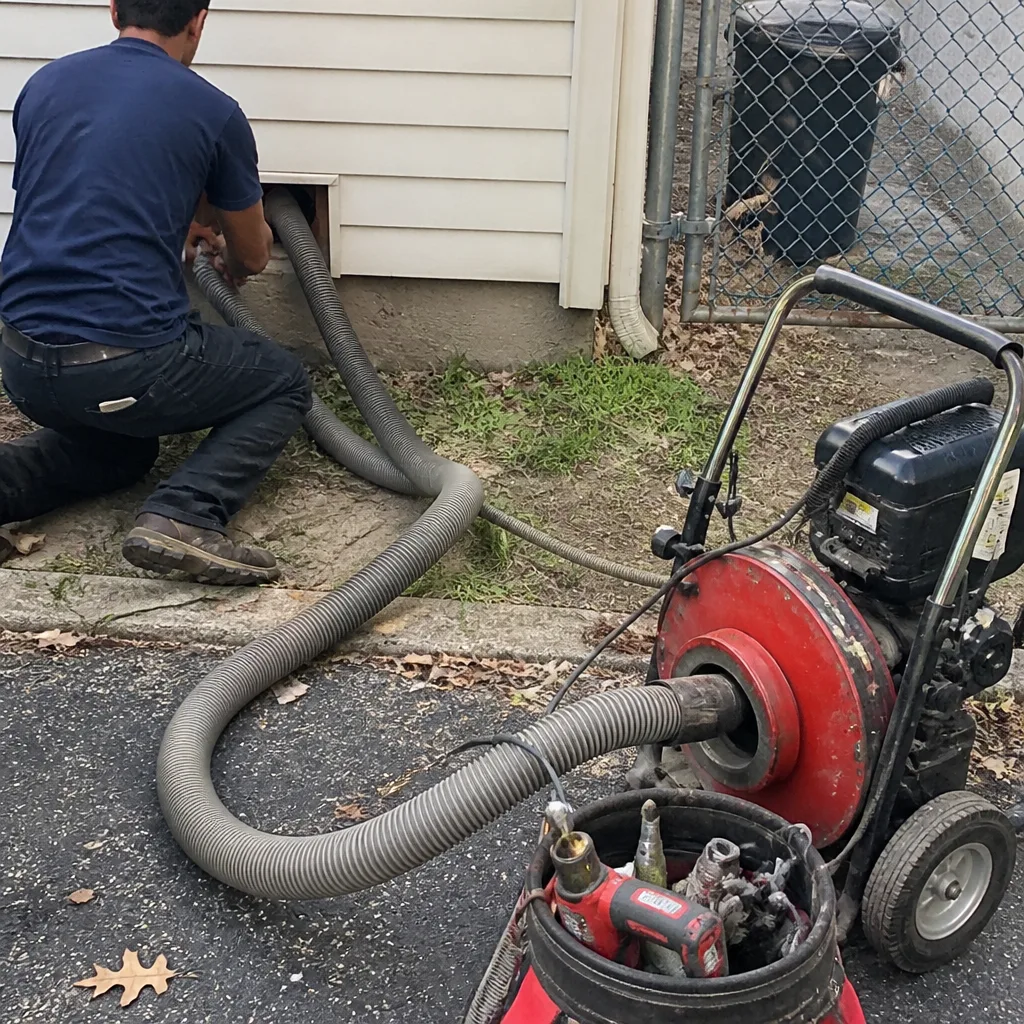 Before
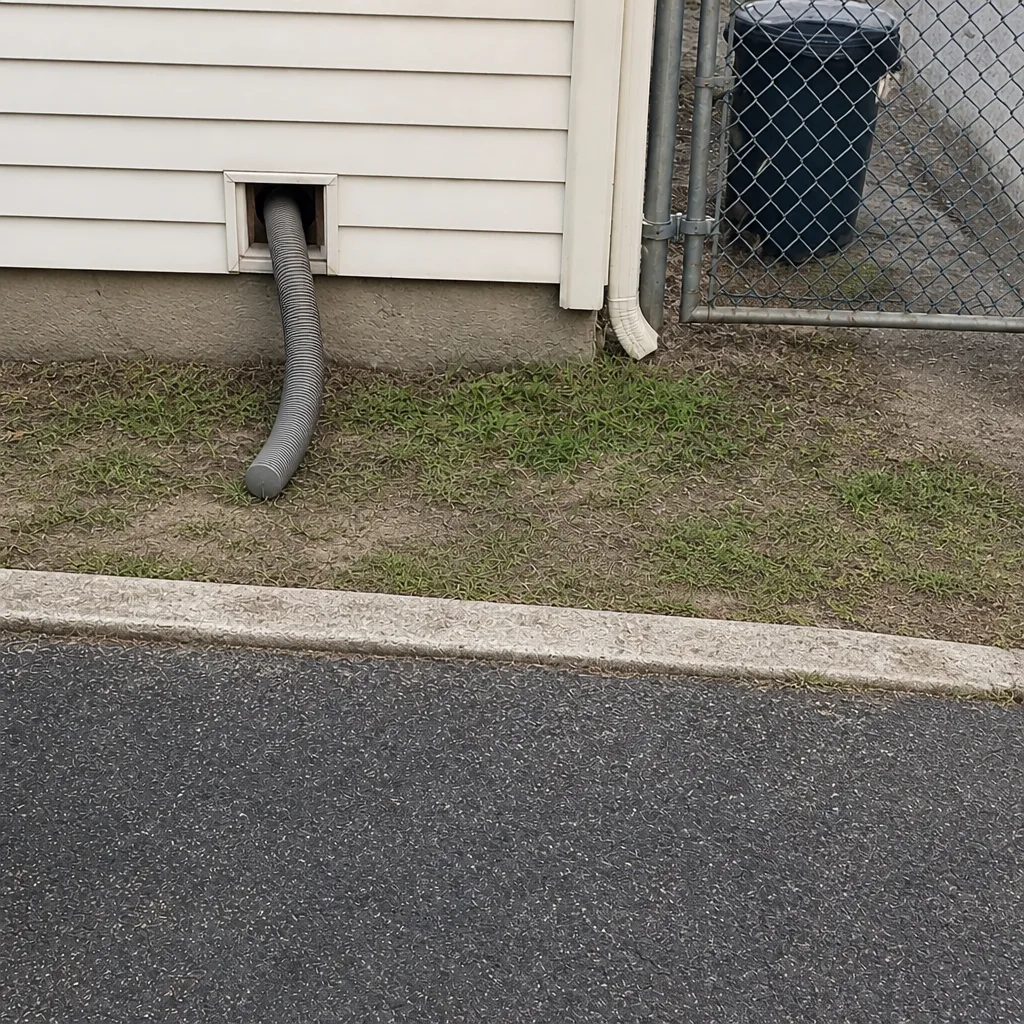 After
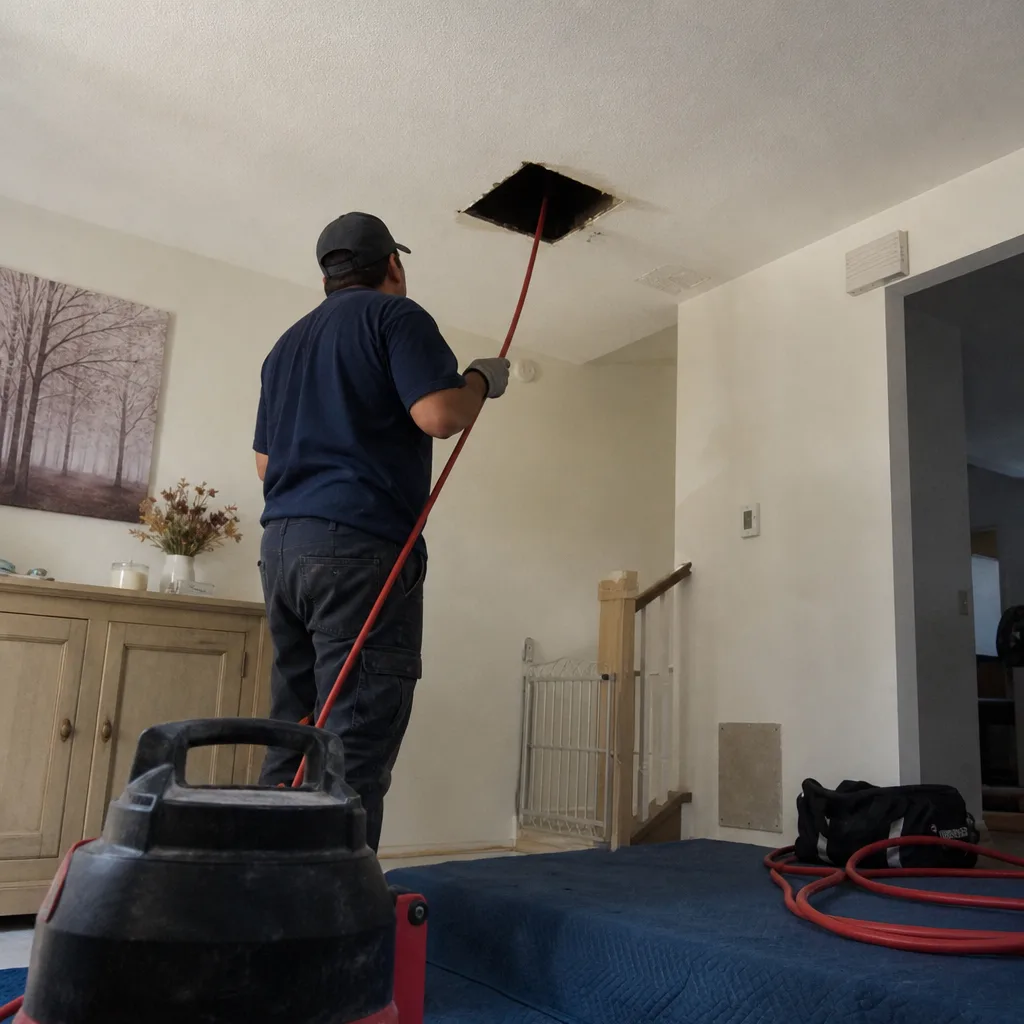 Before
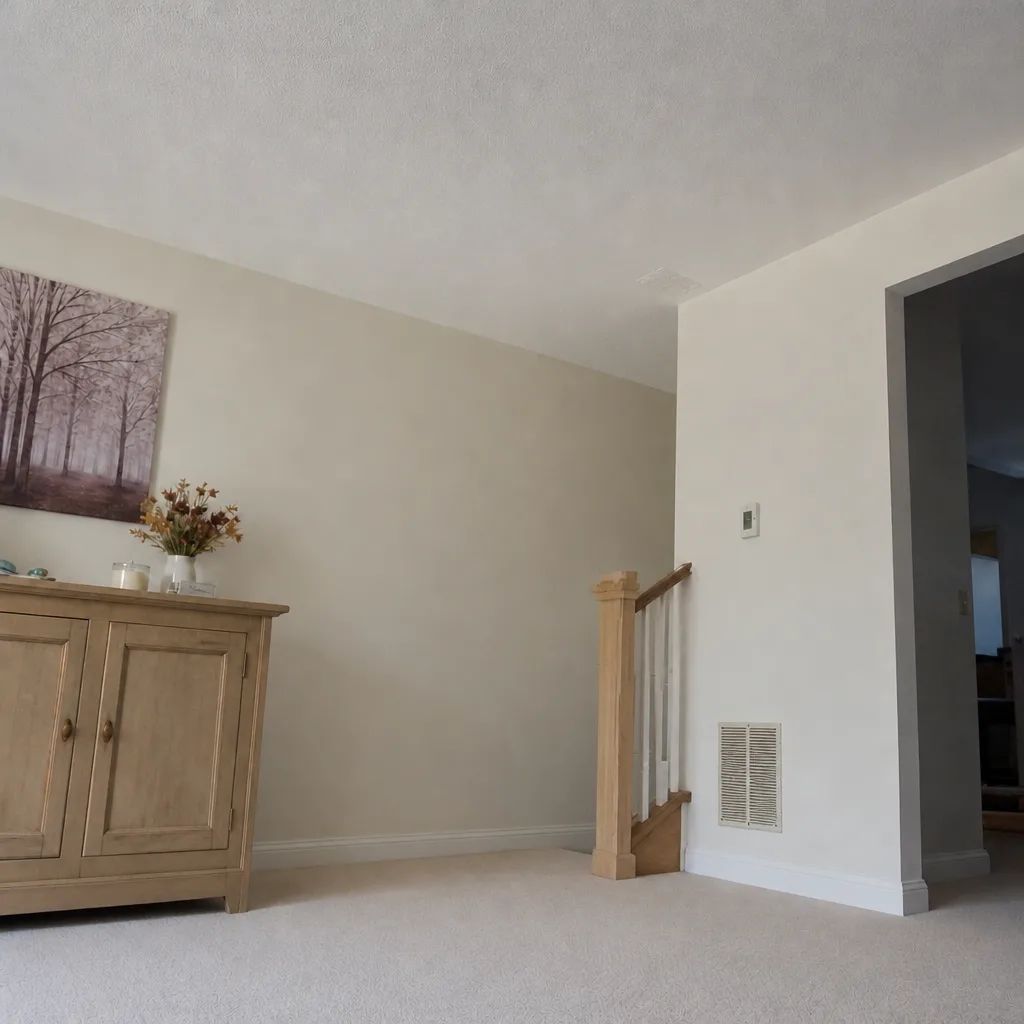 After
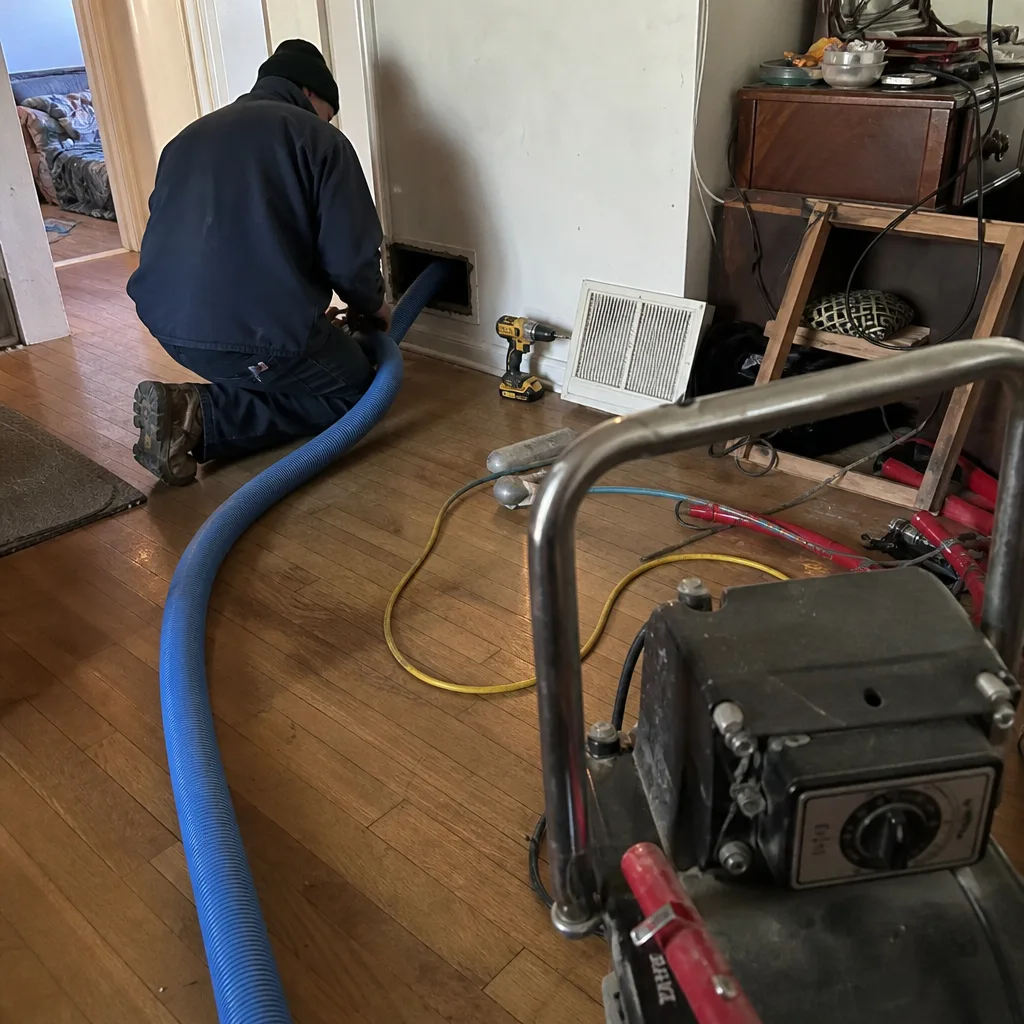 Before
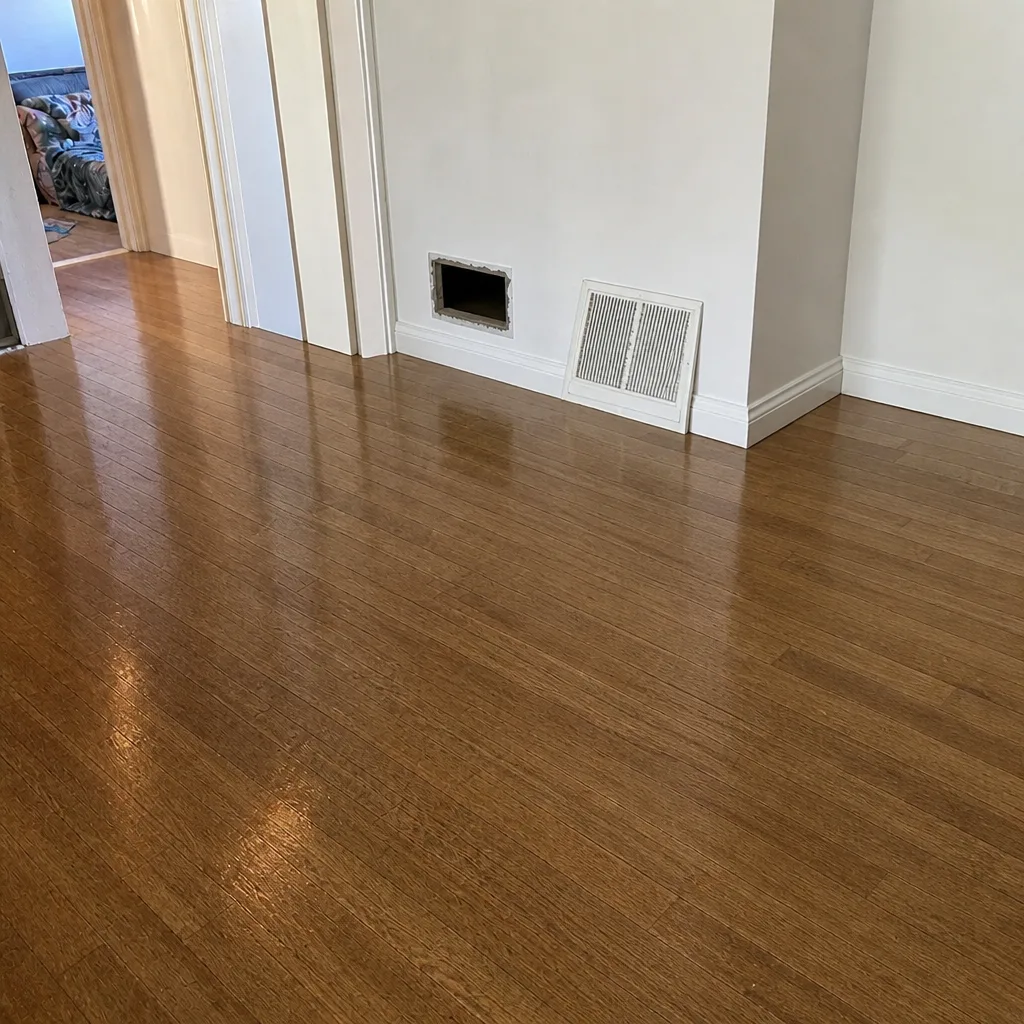 After
When to Call a Professional
Some situations call for a professional cleaning regardless of the calendar. After a renovation or major construction inside the home, drywall dust and debris find their way into the duct system and need professional removal. After a new HVAC installation, the system should be inspected and cleaned to confirm it was sealed correctly. If you notice visible dust discharge from registers, musty odors when the system runs, or a persistent worsening of allergy symptoms when the heat or AC kicks on, the air pathway is a reasonable place to look. Water intrusion or mold discovered near the air handler also warrants professional attention, not a DIY attempt. Air Duct Cleaning New Dorp offers free estimates in New Dorp – call (877) 759-0546 to schedule a walkthrough and a written quote.
Frequently Asked Questions
Whole-system residential duct cleaning in New Dorp typically runs in the several-hundred-dollar range for a standard single-family home, with larger or multi-system homes priced higher by estimate. HVAC coil cleaning, duct repair, and sanitizing are quoted as separate line items. The written estimate sets the final price. Call (877) 759-0546 for an exact quote – estimates are free.
Cheap quotes are usually cheap because the scope is smaller – a partial system, no HVAC cleaning, or a cosmetic pass without rotary brushing or negative-pressure containment. The price doesn’t reflect a better deal; it reflects a different job. Ask exactly what’s included before booking, and call (877) 759-0546 for a written estimate that spells out the full scope.
Before-and-after photos of your own ducts, a written summary of what was cleaned, and documented findings. That’s the only reliable evidence for a service you can’t watch happen. If a contractor can’t offer that package up front, they’ve disqualified themselves. Call (877) 759-0546 for a free estimate and a sample of what we provide.
Most homes don’t need it annually. A reasonable interval is every few years, adjusted for factors like pets, recent renovations, allergy concerns, and whether the system has had recent HVAC work. A professional inspection is the right way to decide; it’s not a fixed schedule. Call (877) 759-0546 to discuss your situation – estimates are free.
Cleaning itself generally doesn’t require a permit, but if the work involves sealing, duct modifications, or anything that alters the mechanical system, local rules may apply. Most municipalities require a permit for structural mechanical changes, so check with your town’s building department for anything beyond cleaning. Call (877) 759-0546 if you’d like to talk through the scope first.
A rotary-contact brush system, a high-CFM negative-pressure vacuum, and on-site HEPA air filtration at minimum. Anything less is a partial cleaning. In our experience, that combination is what separates a real job from a cosmetic one. Call (877) 759-0546 for a free estimate from a company that runs all three.
The Bottom Line
Hiring a duct cleaning contractor in New Dorp is a vetting exercise, not a price comparison. The work is invisible, the gap between operators is wide, and the coupon crowd is selling a number rather than a scope. Verify the equipment, confirm the insurance, demand a written estimate before anyone sets foot in your home, and expect documentation of the job when it’s done. A contractor who can speak to vacuum capacity, containment, brush systems, and HVAC scope is a contractor you can trust with a system you’ll never see. Call (877) 759-0546 for a free estimate from Air Duct Cleaning New Dorp. We answer 24/7. Fast dispatch from 7am to 7pm, Sunday through Friday.
Written by the team at Air Duct Cleaning New Dorp.