
Last updated November 24, 2026
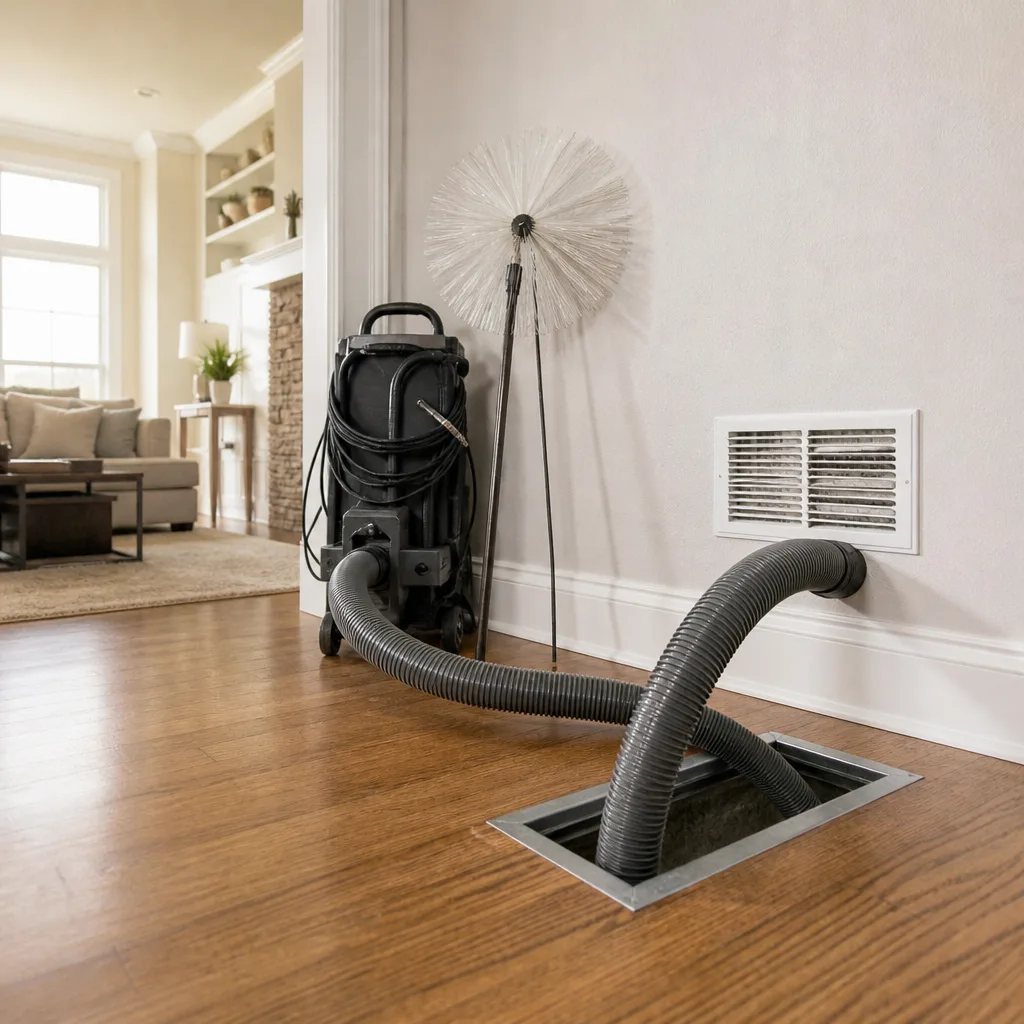 Whole-home duct cleaning
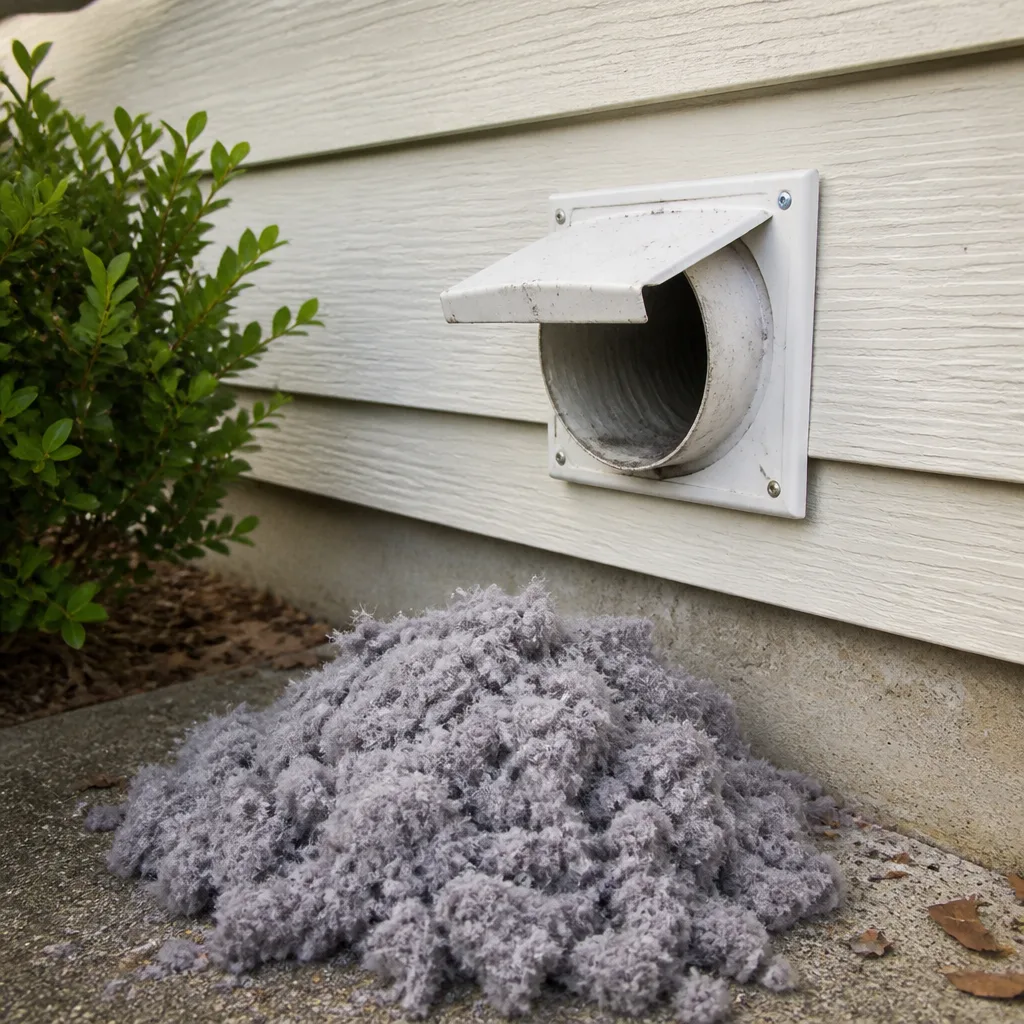 Dryer vent cleaning
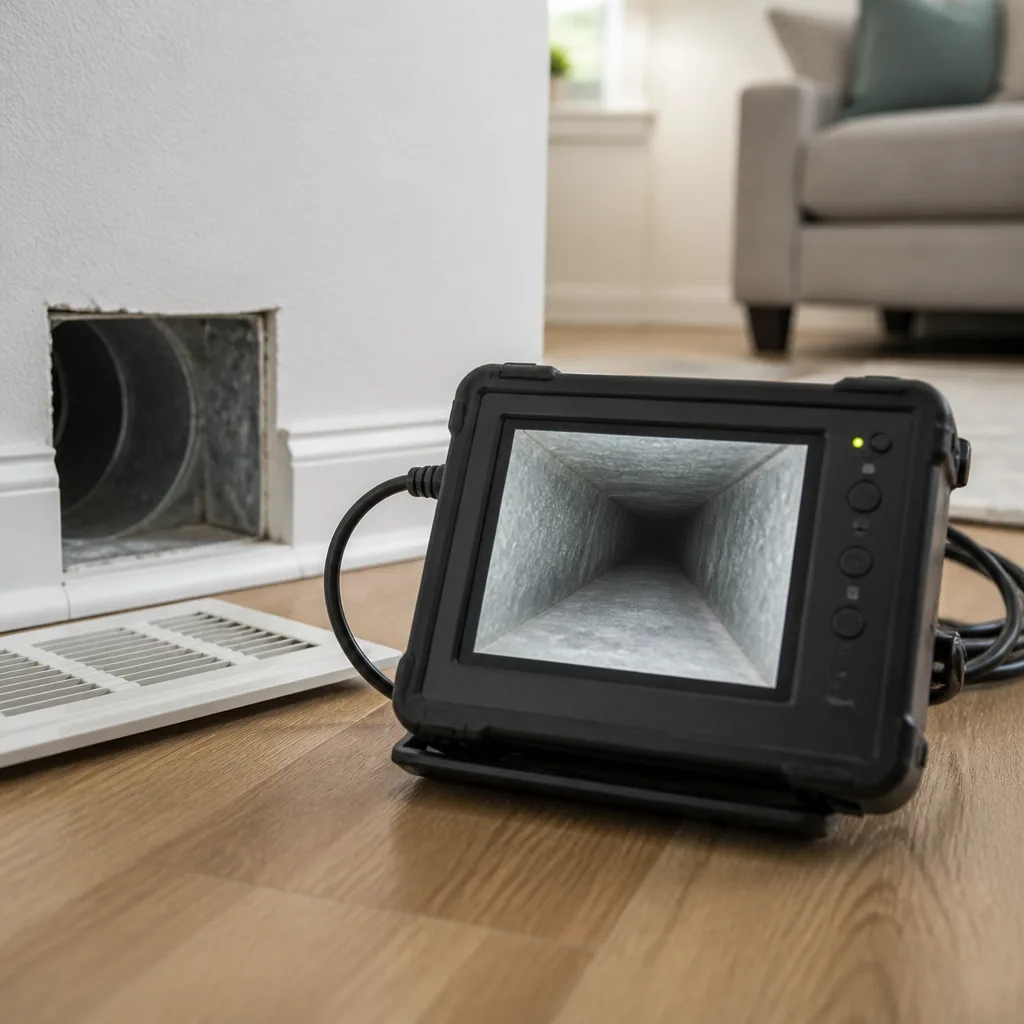 Camera inspection
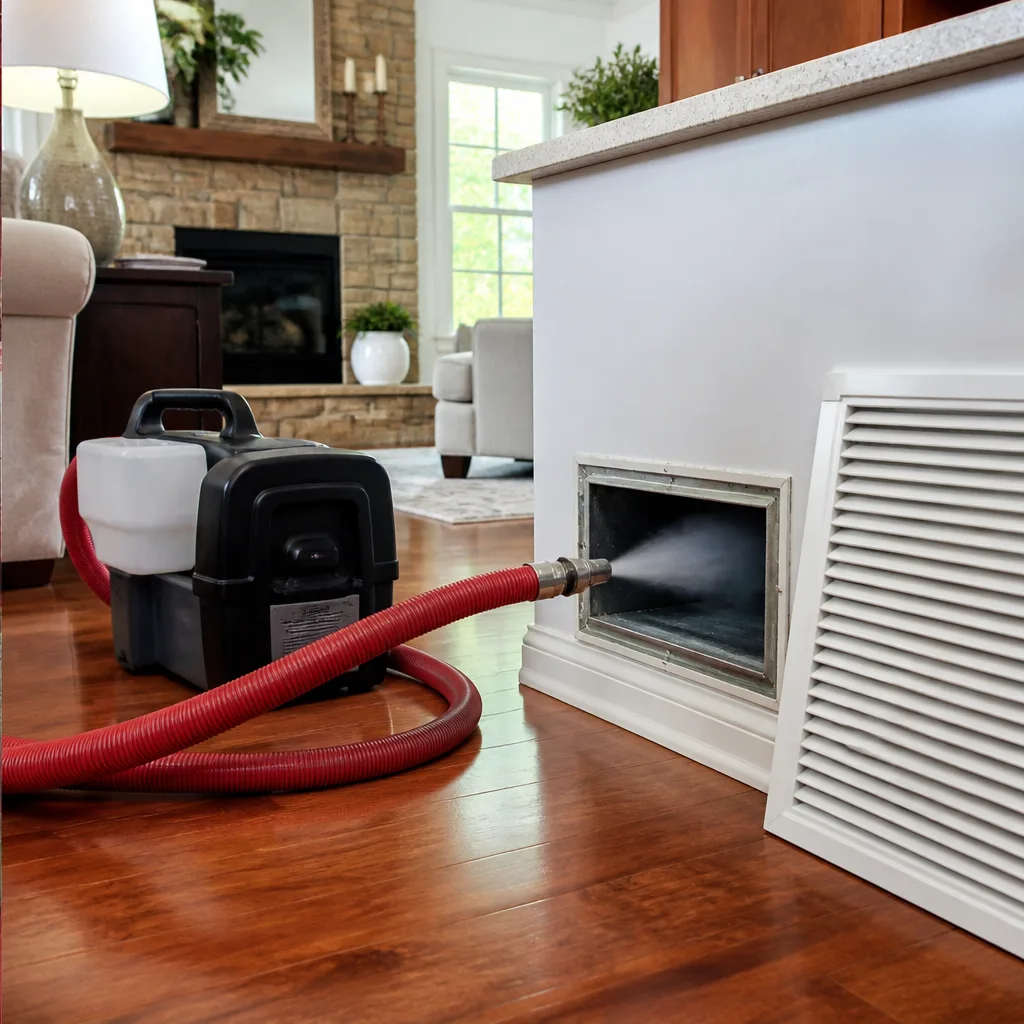 Sanitizing & deodorizing
Whole-system duct and dryer vent check with before-and-after photos - you see exactly what came out of your vents
That "$99 whole-house special" is a bait ad - the real number appears once they are in your hallway, or the "clean" is a shop-vac at the register. We photograph the inside of your ducts before and after instead.
Air Duct Cleaning Emergency Preparedness Guide for New Dorp Homes
Most emergency plans for a New Dorp home cover the structure and the contents – the roof, the basement, the valuables and the documents. Almost none of them cover the duct system, which is the part of the house that quietly decides what everyone breathes after the water recedes and the repairs are finished. Sediment, flood residue, storm debris and smoke settle in ductwork and then get pushed back into living space every time the HVAC runs, long after the visible damage is repaired. This guide lays out a practical post-emergency duct response protocol for New Dorp homeowners: how to triage after flooding, fire or storm intrusion, how to document a loss for insurance, and what to prepare now so recovery is faster.
Quick Answer
After a flood, storm or smoke event in New Dorp, the first duct-system step is to shut off the HVAC at the thermostat, not run it, until the ductwork and air handler have been inspected. Any duct that took on water, sediment or sewage contamination needs professional assessment before restart, and the standard recovery sequence is inspection, negative-pressure cleaning, antimicrobial treatment, then air quality verification. Preparing ahead – a system map, baseline photos and a documented shutoff point – makes that sequence faster and keeps the insurance claim clean.
Styles & brands we work with
- Whole-home duct cleaning
- Dryer vent cleaning
- Camera inspection
- Sanitizing & deodorizing
Table of Contents
- The Three Emergencies That Hit Ductwork in New Dorp
- Post-Flood Duct Triage: Shut Down, Assess, Decide
- What Floodwater Leaves Behind in Ductwork
- The Correct Cleaning Protocol: Negative Pressure and Treatment
- Insurance Documentation for Duct System Damage
- Pre-Emergency Preparedness for New Dorp Homeowners
- Common Mistakes to Avoid
- When to Call a Professional
The Three Emergencies That Hit Ductwork in New Dorp
Not every emergency damages a duct system the same way, and the response differs depending on what got in. New Dorp sees three recurring events, and each one leaves a distinct signature inside the air pathways.
1. Flooding
Floodwater is the most destructive of the three because it delivers solids and biological load at the same time. Water that reaches a plenum, flex duct or air handler carries silt, sewage, and organic material into the system, and if the duct dries in place, that material cements to the walls. In our experience the worst outcomes come from ductwork that was allowed to dry without cleaning – the contamination becomes bonded, and the first full heating season pushes it into the space.
2. Fire and Smoke Events
Smoke travels through the same pathways as conditioned air. Combustion residue – fine carbon, soot, and the sticky film that accompanies grease or synthetic-material fires – coats duct walls and the inside of the air handler. Running the system after a fire recirculates those particles through the whole house. Smoke residue also carries odor that reasserts itself every time the blower engages, which is often the first clue a homeowner has that the ducts weren’t addressed.
3. Storm Debris Infiltration
Wind-driven storms push leaf matter, grit, insulation fibers and exterior dust into outdoor HVAC intakes and, from there, into return ductwork. That debris load sitting against an evaporator coil restricts airflow and raises the load on the system. Post-storm, ducts that took on outdoor debris need cleaning before the cooling season restarts, even if no water got inside.
For a complete picture of what routine cleaning covers outside an emergency, see our air duct cleaning page. What follows is specific to the disaster scenarios.
Post-Flood Duct Triage: Shut Down, Assess, Decide
What you do in the first 24-48 hours after floodwater enters a New Dorp home determines whether the ductwork is salvageable or has to be replaced. The sequence below is the one we use on every post-flood assessment.
- Shut the system down at the thermostat. Do not run the HVAC, including fan-only mode, until the ductwork, air handler and coils have been inspected. Running the system pulls floodwater and sediment deeper into the pathway and into components that would otherwise be fine.
- Photograph everything before touching it. Duct interiors, air handler exterior, visible water lines, sediment staining at registers. These images anchor the insurance claim later.
- Determine the highest water line. Which ducts were submerged, which were splashed, and which stayed dry is the deciding factor in salvage versus replacement.
- Identify duct material. Rigid metal ductwork can often be cleaned and treated. Flex duct, fiberboard duct and duct board that took on water are a different story – the material itself absorbs contamination and can’t be restored by cleaning alone.
- Inspect the air handler and coil. A wet coil, blower or plenum is an immediate red flag and needs professional inspection before the system is started again.
- Get the assessment in writing. A written report from a professional that identifies affected sections, notes material type and recommends repair, sealing, treatment or replacement is what insurers and remediation contractors work from.
Deciding between cleaning and replacement comes down to material and depth of water. Insulated flex and porous duct that took on contaminated water generally can’t be cleaned back to a safe state, and running air through it afterwards isn’t worth the risk. Rigid metal that took on sediment but stayed structurally sound is usually a candidate for full cleaning and sealing. When in doubt, the assessment step settles it – and the cost of the assessment is far smaller than the cost of restarting a contaminated system.
What Floodwater Leaves Behind in Ductwork
What’s inside a duct after flooding isn’t just water. The composition of floodwater varies with what it picked up on the way in – sediment, sewage, oil, yard chemicals, and organic material from debris – and each contributes to a different hazard once it dries in the system.
- Sediment and silt. Fine mineral particles settle on duct walls and in the low points of the system. Once dry, they become airborne every time the blower runs.
- Sewage contamination. Floodwater that mixed with wastewater carries bacteria and pathogens. This is the reason affected ductwork has to be treated, not just cleaned.
- Mold colonization. Given moisture and organic material, mold can begin colonizing within roughly 24 to 48 hours and continues for as long as the interior stays damp. Ductwork that was never dried is the classic case – mold growth continues buried in the walls for months.
- Odor compounds. Even after visible contamination is removed, stubborn odor compounds can remain on duct surfaces. Sanitizing treatments are what resolve them.
- Loose insulation fibers. Flooded or storm-struck duct insulation breaks down and sheds fibers into the airstream. This is more common with flexible ductwork than rigid metal.
Why Negative-Pressure Cleaning Matters More After a Flood
Cleaning a contaminated duct system with a shop-vac or a positive-pressure blower throws particles into the air and back into the home. That’s the opposite of what a flooded house needs. The correct approach uses negative pressure – HEPA vacuum technology like Nikro systems – to hold the ductwork under suction while the interior surface is agitated with contact tools. Abatement Technologies air-filtration units run on-site to capture particulates at the source rather than recirculating them through the finished space. That combination is why post-flood cleaning has to be done with professional equipment, not homeowner gear.
After cleaning, an EPA-registered antimicrobial treatment is applied to the duct interior. That step matters because cleaning removes the visible load but doesn’t necessarily kill what remains on the surface. Treatment addresses biological contamination, and it’s especially important in New Dorp homes where ductwork was submerged or near a sewage backup.
The Correct Cleaning Protocol: Negative Pressure and Treatment
A post-emergency cleaning isn’t the same as a routine service visit. It has to be staged, monitored, and documented. Here is the protocol we follow, and the one you should expect any specialist to explain before starting.
- Containment: negative-pressure containment is established at the air handler and at open registers, so contamination stays inside the system during cleaning.
- Contact cleaning: Rotobrush rotary-contact tools dislodge compacted sediment from duct walls. Brushing alone doesn’t move bonded material – the rotary action is why this step works on flood-damaged ducts.
- HEPA extraction: Nikro HEPA vacuum technology pulls loosened material out under suction. The vacuum runs the whole time cleaning is underway.
- Filtration: Abatement Technologies air-filtration units run in the work area to catch any airborne particles at the source.
- Coil and air handler: a flood event rarely stops at the ducts. The coil and air handler should be cleaned as part of the same protocol, which is why post-emergency jobs often include HVAC cleaning and, where needed, dryer vent cleaning if the laundry area was affected.
- Sealing and repair: any gap, disconnected joint or compromised section is sealed after cleaning, so future air movement doesn’t pull new contaminants in from unconditioned spaces.
- Sanitizing: an EPA-registered antimicrobial treatment is applied to duct interiors. Honeywell and Aprilaire-compatible air quality upgrades can be layered in afterward to keep ongoing filtration consistent.
- Verification: before-and-after photos of your ductwork document the condition change and close the loop on the insurance file.
Five distinct service lines – cleaning, dryer vent, HVAC, repair and sealing, and sanitizing – can run as one coordinated job, which matters after an emergency because it avoids the mess of scheduling multiple contractors after a loss.
Insurance Documentation for Duct System Damage
Duct damage is one of the most commonly undervalued parts of a flood or fire claim, mostly because it’s invisible. If the file only documents the visible interior damage, the duct system often gets cleaned – or skipped – instead of properly assessed and restored. Here’s how to document the loss so the claim matches the actual scope of work.
What to Photograph
- Register and return-grille interiors, in close-up, before any cleaning
- Visible water lines and sediment staining inside ducts
- The air handler, coil and plenum exterior
- Disconnected or damaged duct sections
- Exterior intake and any debris accumulation on outdoor units
What a Professional Report Should Include
Insurers handling a duct claim typically want a written assessment that names the affected sections, identifies duct material type, states whether the section can be cleaned or needs replacement, and includes photographic evidence. A sanitizing recommendation – especially one citing a post-flood or post-fire antimicrobial treatment – carries weight because it points to a defined hazard rather than a preference.
Common Claim Pitfalls
- Starting the system before assessment. Running the HVAC after a flood can spread contamination into components that weren’t damaged, and can complicate the claim if the insurer reads the duct as pre-existing.
- Missing the coil and air handler. Claims that cover duct cleaning but skip the coil often fall short of actual scope.
- No before photos. Without photographs, the professional assessment has nothing to anchor to.
- Accepting a cleaning-only scope when treatment was recommended. If the assessment calls for antimicrobial treatment or sealing, the file should include it.
Pre-Emergency Preparedness for New Dorp Homeowners
Most of the work of a fast, cheap recovery happens before the storm. New Dorp homes that bounce back from a flood event more efficiently share a handful of habits.
- Map your system. A single sheet documenting registers, returns, air handler location, duct material by section, and the location of outdoor intakes saves hours on assessment day.
- Photograph your ducts now. Baseline photos taken in dry, clean condition make the “before” case in an insurance claim unambiguous.
- Identify the shutoff. Know where the HVAC breaker is and how to shut off the system at the thermostat. That’s the first move after any water event.
- Keep standing water out of the duct zone. Anything stored against low returns or registers is a barrier to inspection after an event.
- Record any prior duct work. Invoices and reports from past cleanings establish a maintenance history.
- Note which ducts are rigid metal and which are flex. This becomes the triage shortcut after flooding – flex and duct board that got wet are a different call than metal.
- Schedule routine cleaning before an event. A clean system starts from a known state, which makes post-emergency assessment faster and cheaper.
One more step that’s specific to New Dorp: any dryer vent that runs through an area that can flood should be checked after storm-season events. A blocked or damaged dryer vent is a fire risk, and the same storm that floods a basement often damages exterior venting without any obvious sign. If you’re unsure about that line, our team can assess it during a routine visit.
Common Mistakes to Avoid
- Restarting the HVAC before assessment. The single most expensive mistake after a flood event. Running the system pushes contaminated air through the entire home and forces cleanup of components that were otherwise unaffected.
- Assuming the ducts are fine because the damage looks cosmetic. Duct interiors don’t show water damage on the outside of the house. The register face looks dry while the interior runs damp for weeks.
- Hiring a cleaner whose only tool is a shop-vac. Contact cleaning and containment are what actually remove flood contaminants. A shop-vac setup pulls material out without capturing it, and the particles end up in the same space you were trying to protect.
- Cleaning without treating. After a sewage-involved flood, cleaning alone leaves biological load behind. Sanitizing is what closes the loop.
- Skipping the air handler and coil. A flooded house needs the whole air pathway addressed. Ducts-only cleaning leaves the largest surface – the coil – contaminated.
- Forgetting the dryer vent. Storm damage and flooding often compromise exterior venting without any obvious interior sign.
- Not photographing before any cleaning begins. It’s the single easiest thing to get right and the single easiest to lose in the chaos.
When to Call a Professional
Call a professional immediately after any event where water entered the ductwork, sewage was involved, or fire/smoke affected the interior of the house. Call if the HVAC was running while a flood or smoke event was underway, if any register shows sediment or staining, or if a storm pushed debris into the outdoor intakes. Also call if a home has had a recent renovation with drywall dust or framing debris, or if anyone in the household is reacting to the air with new allergy symptoms after an event. Assessments differ from cleaning. Air Duct Cleaning New Dorp offers free estimates in New Dorp – call (877) 759-0546. We answer 24/7, with fast dispatch from 7am to 7pm, Sunday through Friday.
Frequently Asked Questions
No – running the system before inspection risks pushing contamination into the air handler and coil, which turns a cleaning job into a repair job. Shut off at the thermostat, take photographs, and get the ductwork inspected before restarting. Call (877) 759-0546 for a free estimate on the inspection, and we’ll tell you exactly what can and can’t be salvaged.
Duct material and water depth decide it. Rigid metal duct that took on sediment but stayed structurally intact can usually be cleaned and sealed. Insulated flex, duct board, and fiberboard that took on contaminated water usually can’t be restored by cleaning alone. The written assessment from a professional is what settles the call – call (877) 759-0546 for a free estimate.
Yes – cleaning and sanitizing the ductwork is often the difference between smoke odor that lingers for months and odor that fades in a few weeks. Smoke residue coats interior duct walls, and every blower cycle re-releases it. Contact cleaning with negative-pressure containment, followed by an antimicrobial treatment, is the sequence that resolves it. Call (877) 759-0546 for a free estimate.
Often yes, when the duct damage is directly tied to a covered event and the claim documents it properly. That means photographs before cleaning, a written professional assessment that identifies affected sections and recommends the scope of work, and a record of any biological contamination. Without those, insurers frequently approve cleaning-only when treatment and sealing were called for. Call (877) 759-0546 for a written assessment you can submit with your claim.
Post-emergency duct cleaning typically depends on square footage of the home, number of registers, duct material and the level of contamination – a submerged system needs treatment and often sealing, not just cleaning. We price per job by written estimate, agreed before any work starts, with no per-vent pricing – so you’ll know the whole-system number before we begin. Call (877) 759-0546 for an exact quote – estimates are free.
After a flood, storm, fire or renovation event, cleaning is immediate, not on a schedule. In a home with no event, routine cleaning every few years is a reasonable baseline, and homes with pets, allergies or ongoing renovation work benefit from a shorter interval. The right cadence comes from an assessment – call (877) 759-0546 for a free estimate and we’ll walk you through what your system actually needs.
See the difference
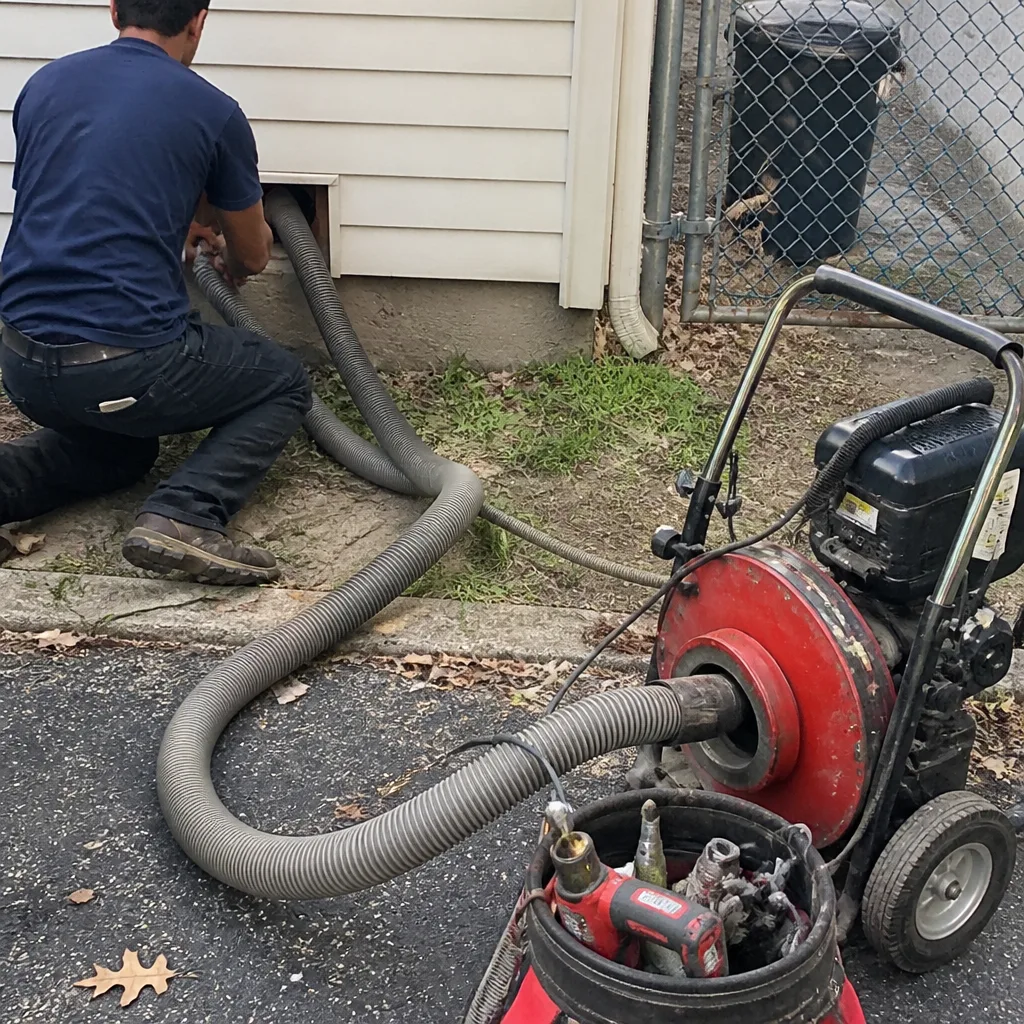 Before
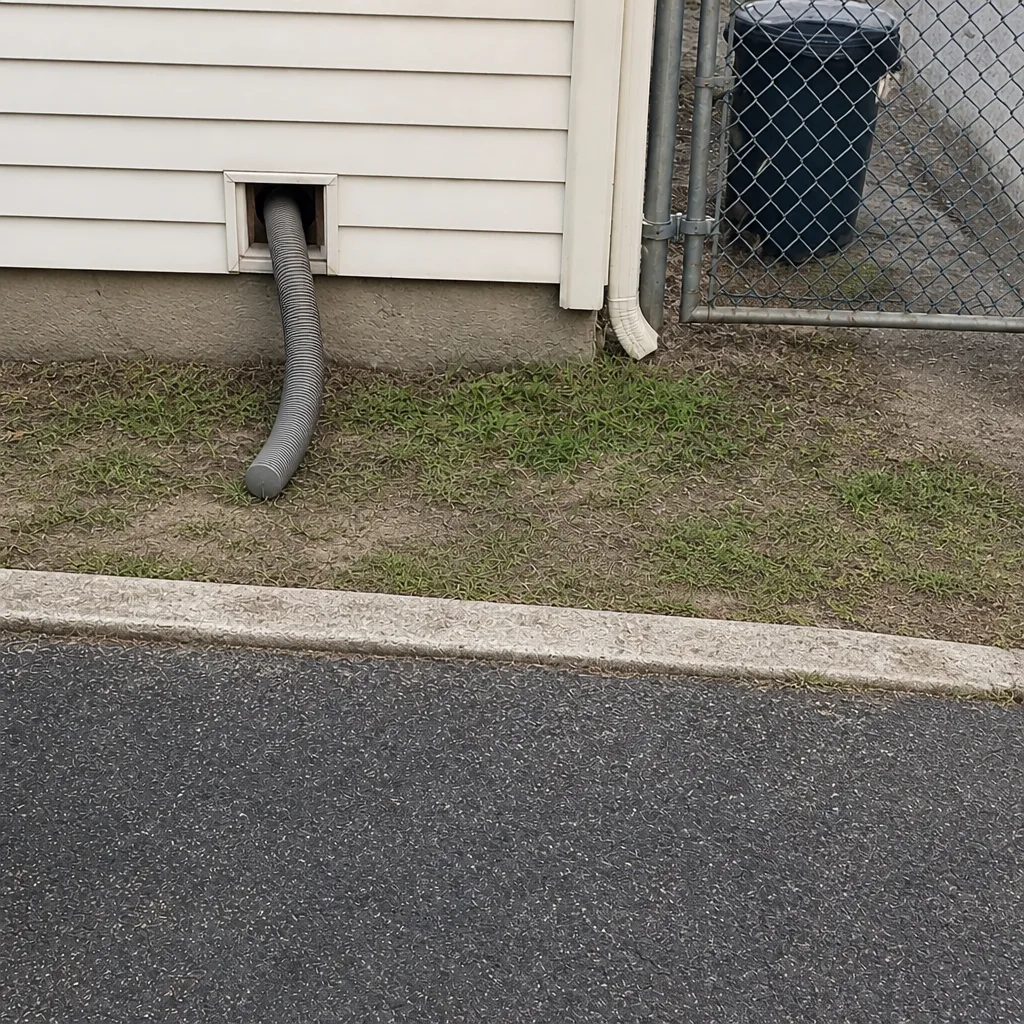 After
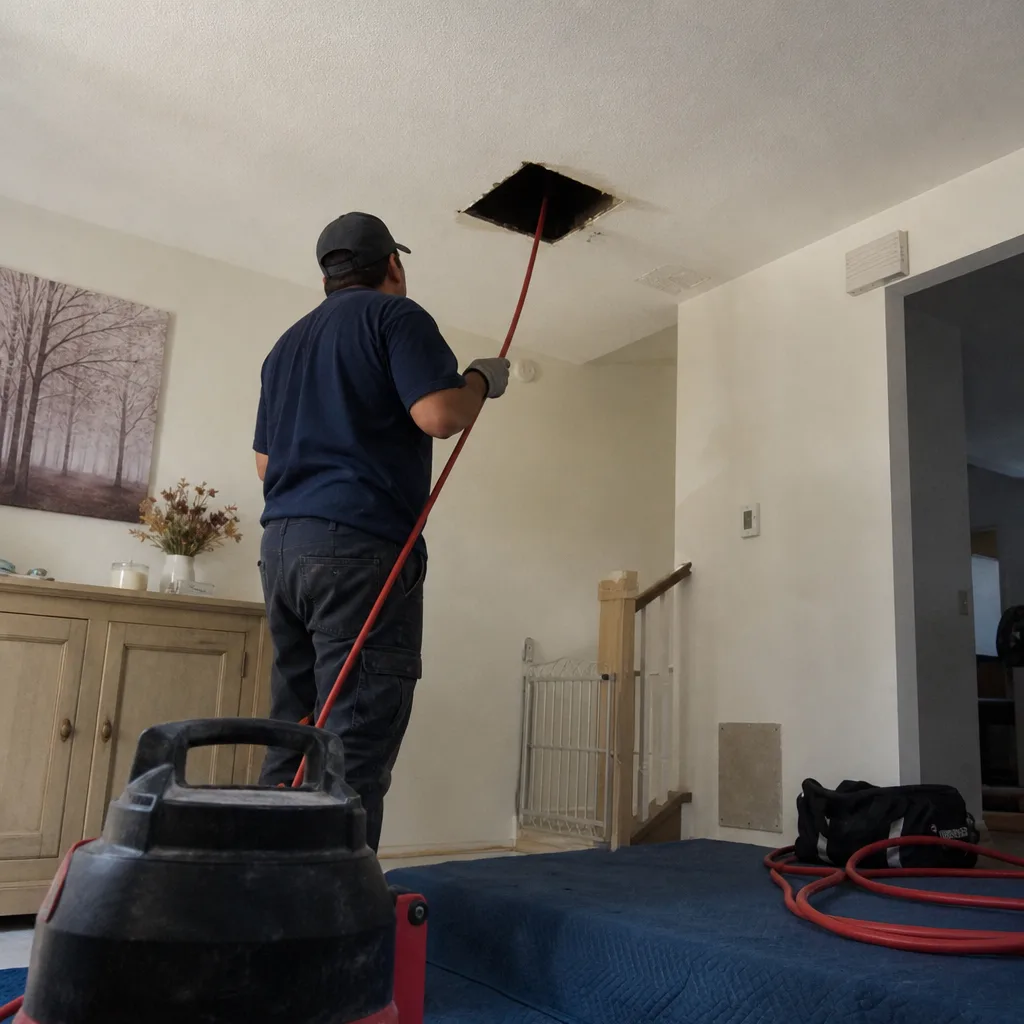 Before
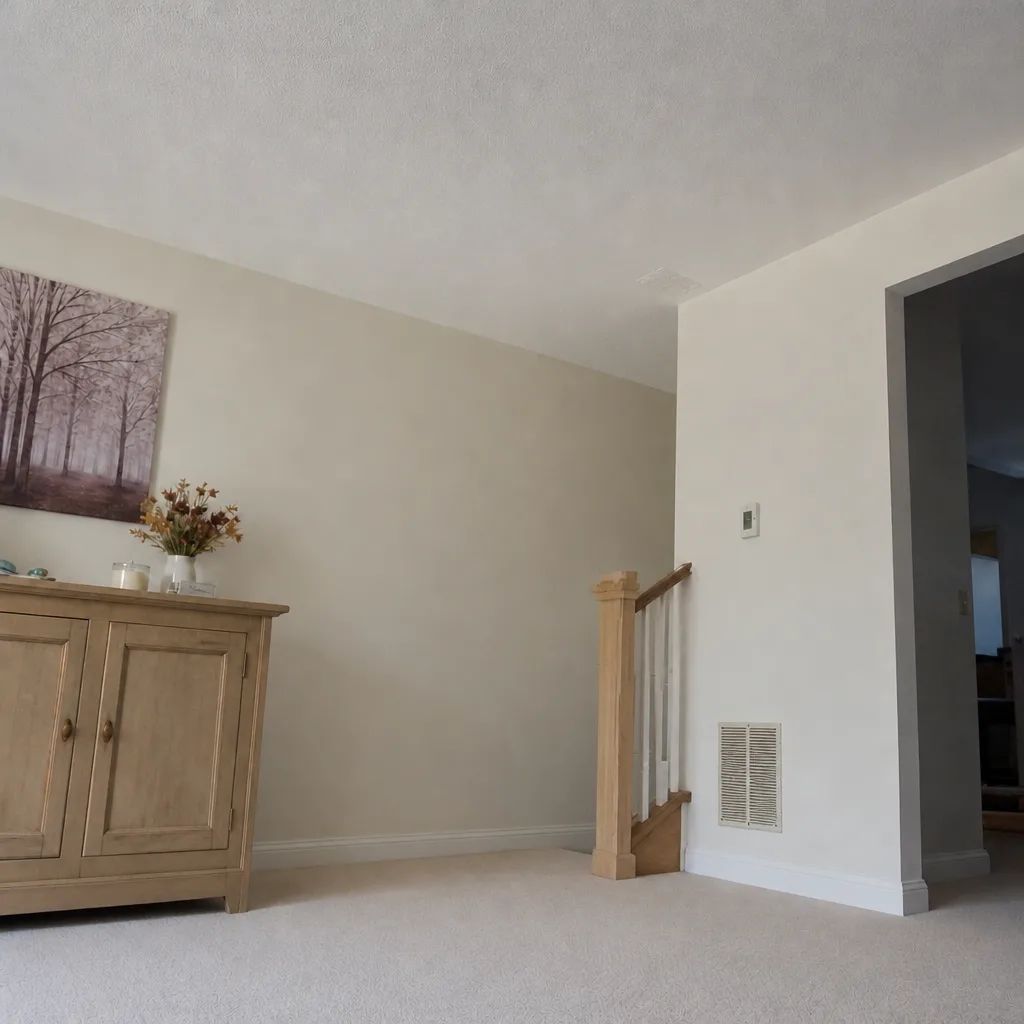 After
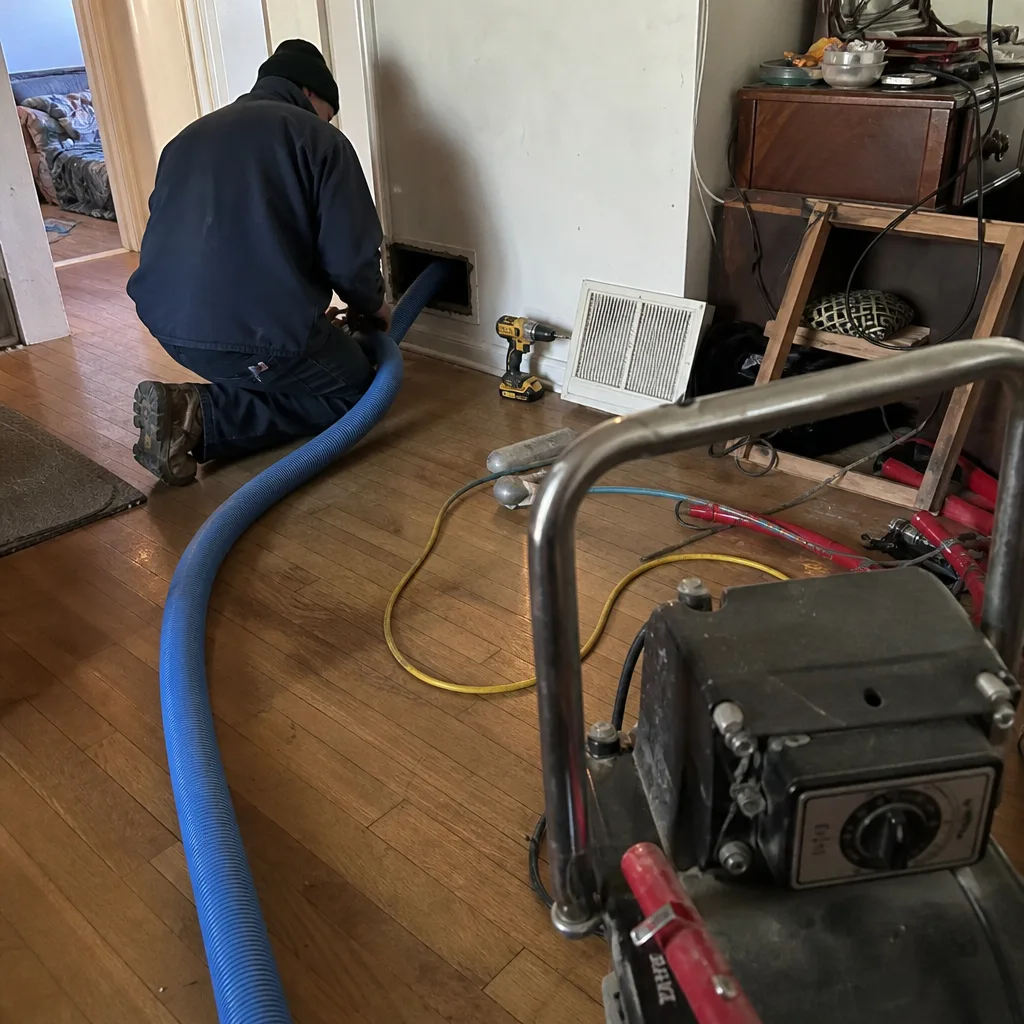 Before
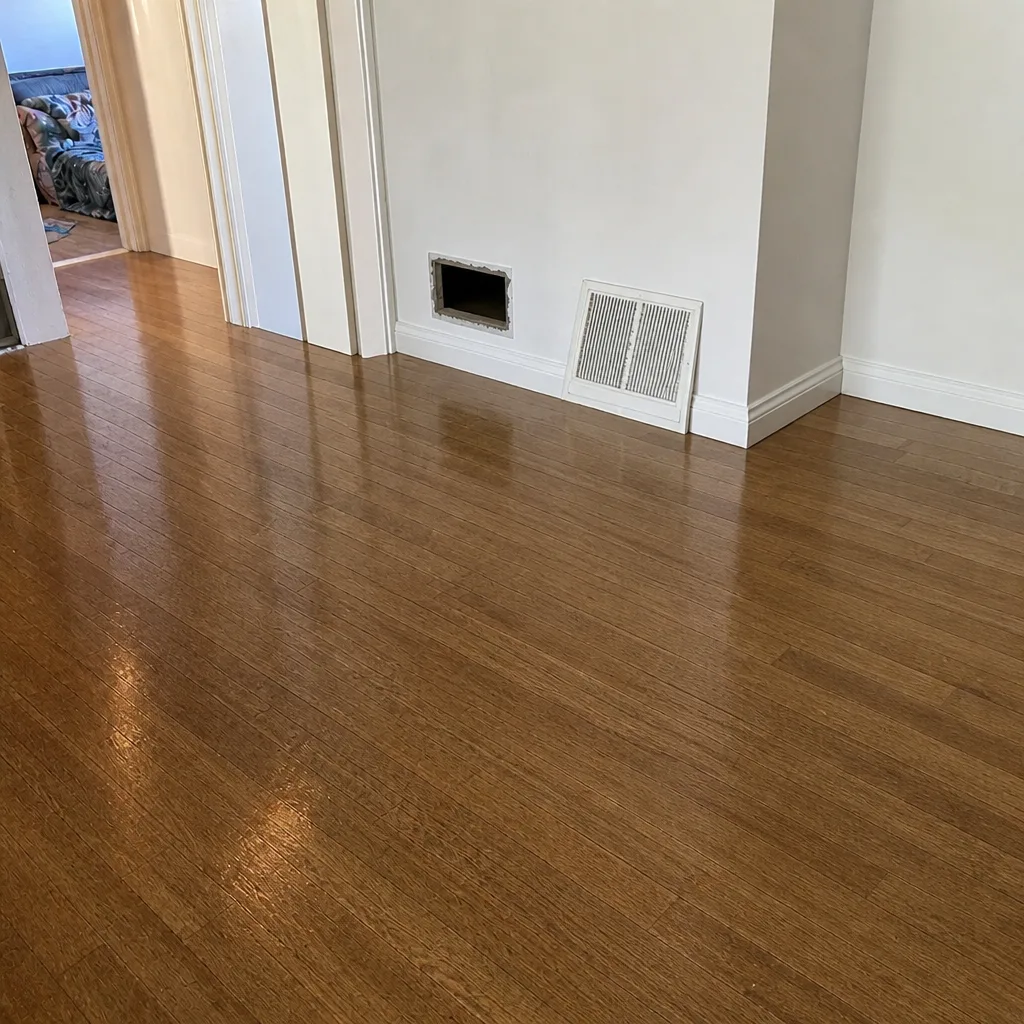 After
The Bottom Line
After flooding, fire or storm, the sequence matters as much as the work itself: shut down the system, photograph everything, get a written assessment, then clean with negative-pressure and contact equipment, treat for contamination, seal, and verify. New Dorp homeowners who prepare ahead – a system map, baseline photos, an identified shutoff, and a record of prior service – recover faster and get more out of their insurance claim. Ductwork that took on floodwater isn’t something to run and forget. It’s the part of the house that governs what the family breathes after the walls are rebuilt.
Frequently Asked Question: Scheduling
Same-day assessment can usually be booked when you call early. Fast dispatch from 7am to 7pm, Sunday through Friday. We’re closed Saturday, so a call about a Saturday failure gets booked into the next opening, Sunday through Friday, 7am to 7pm. Call (877) 759-0546 – we answer 24/7, and estimates are free.
Contact Air Duct Cleaning New Dorp
If a flood, fire or storm event affected the air pathways in your New Dorp home, the next step is a written assessment, not guesswork. Call (877) 759-0546 for a free estimate. We answer 24/7, with fast dispatch from 7am to 7pm, Sunday through Friday. All work is performed by local professionals who are licensed and insured as their state requires, priced per job by a written estimate agreed before work begins, and documented with before-and-after photos of your own ductwork. Our technicians have up to 15 years of experience, and we clean with Rotobrush rotary-contact systems, Nikro HEPA vacuum technology and Abatement Technologies air-filtration units on every post-emergency job – starting from Air Duct Cleaning New Dorp.
Written by the team at Air Duct Cleaning New Dorp.