
Last updated November 24, 2026
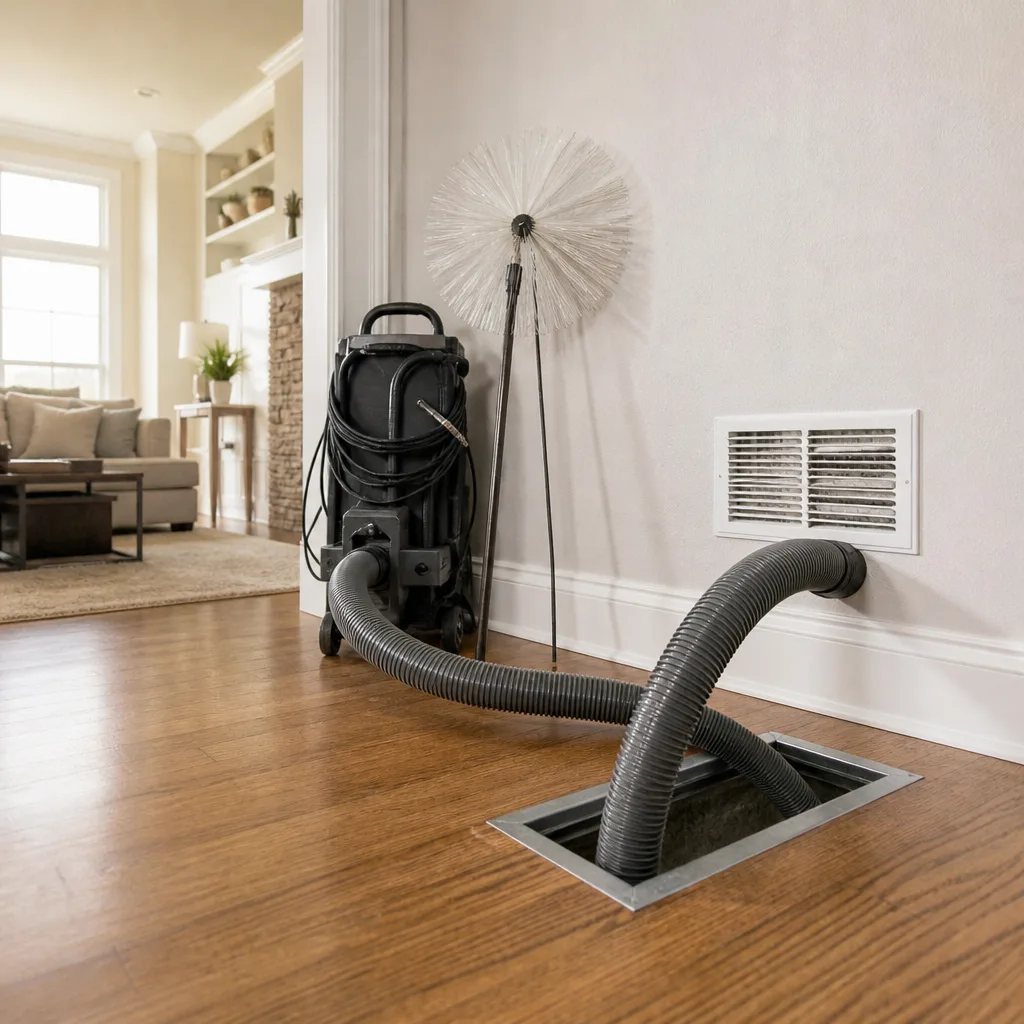 Whole-home duct cleaning
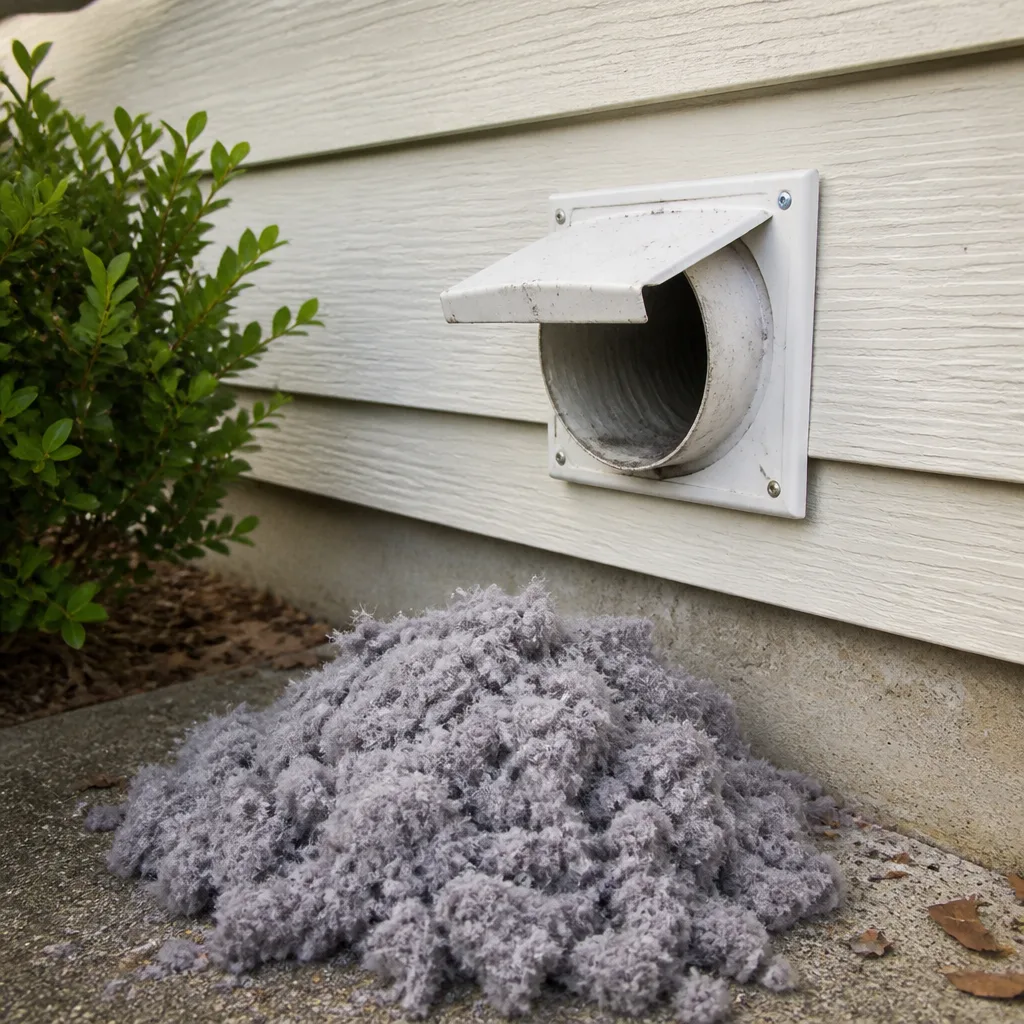 Dryer vent cleaning
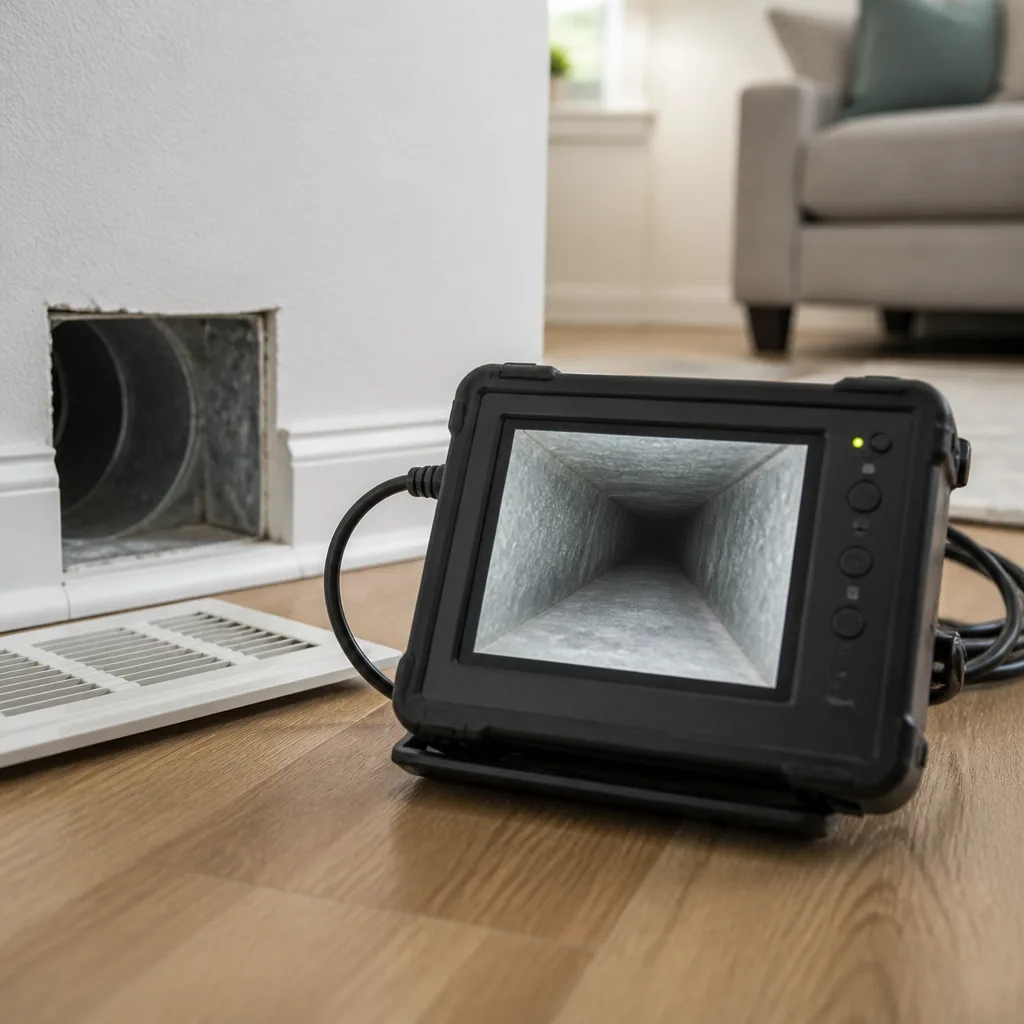 Camera inspection
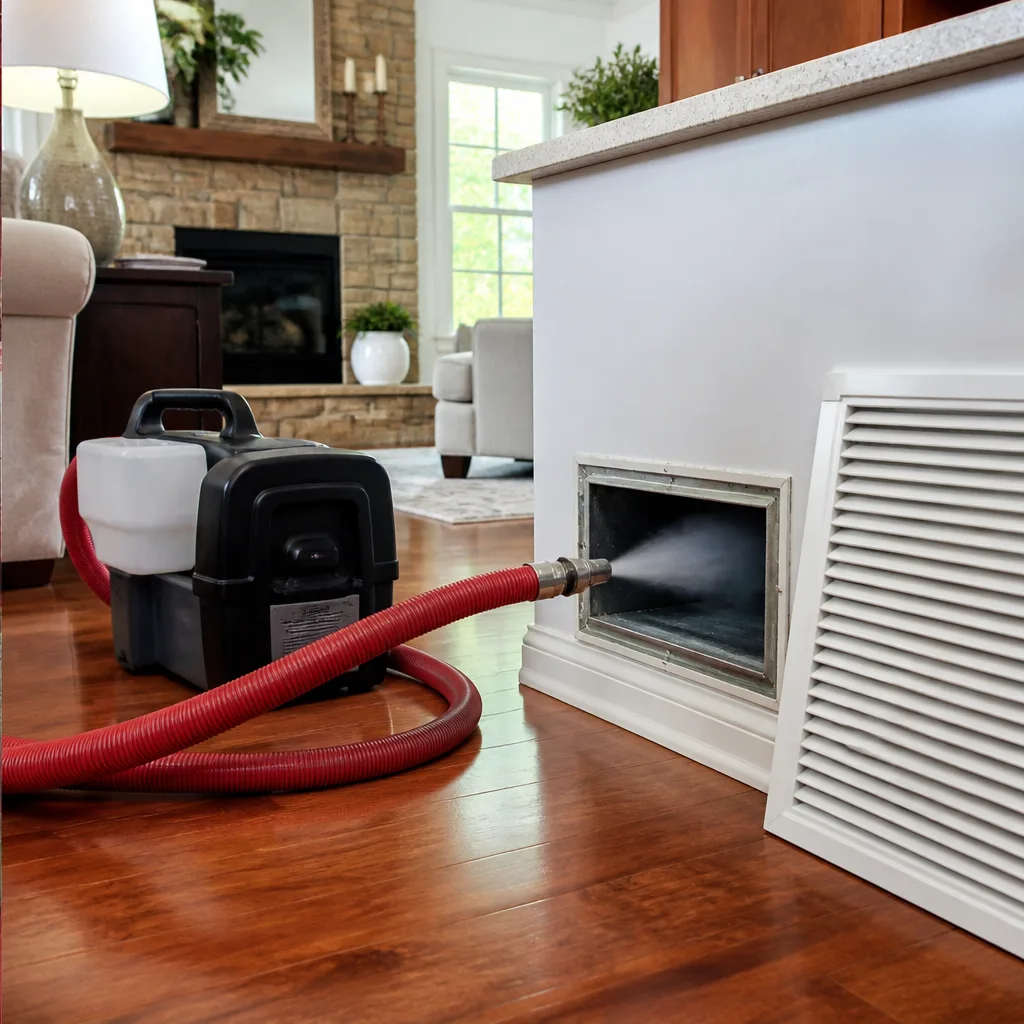 Sanitizing & deodorizing
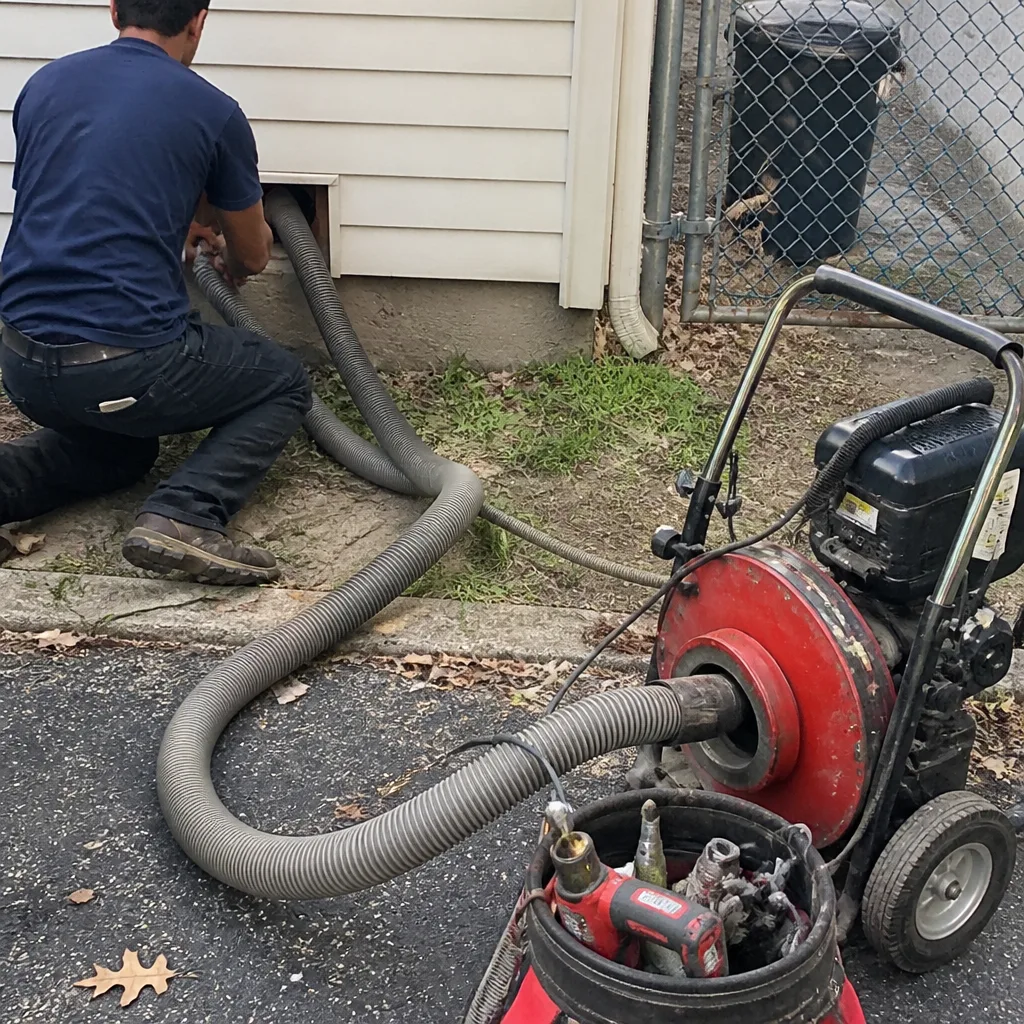
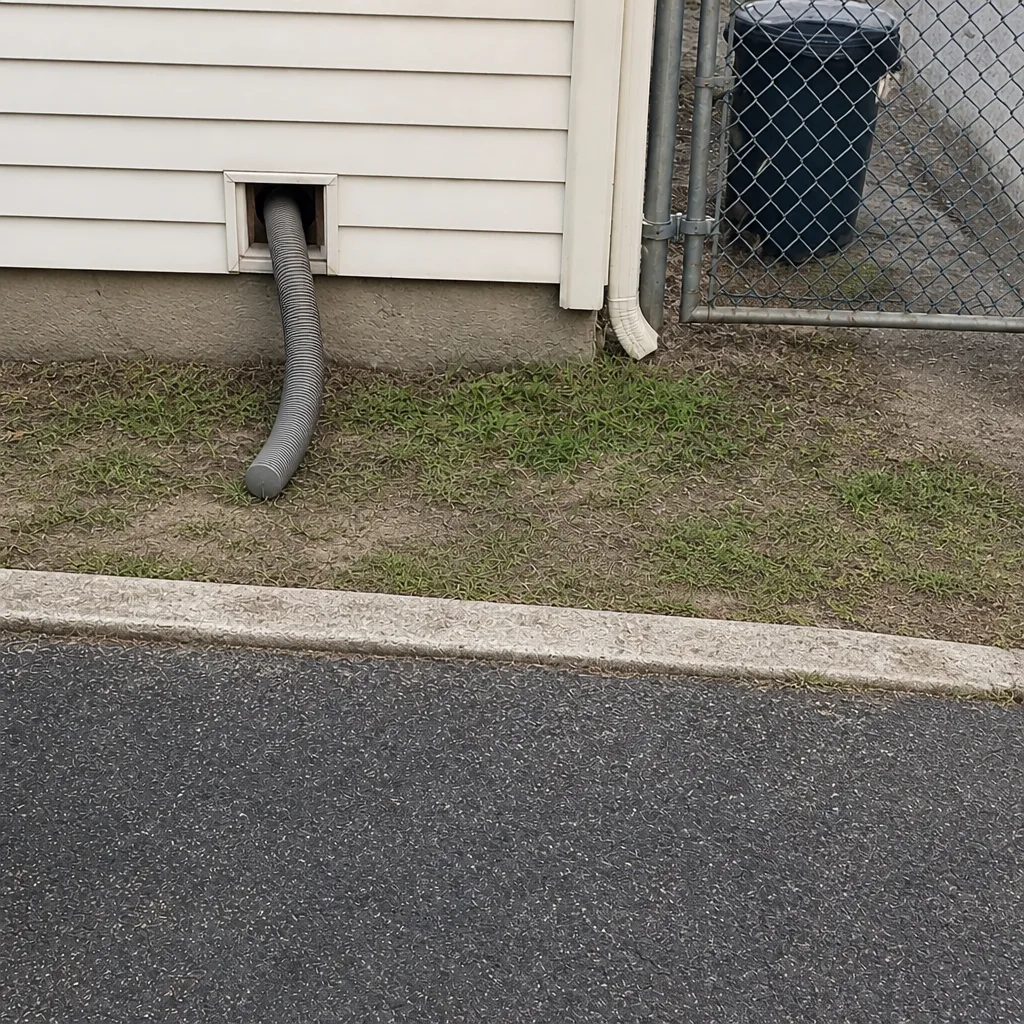
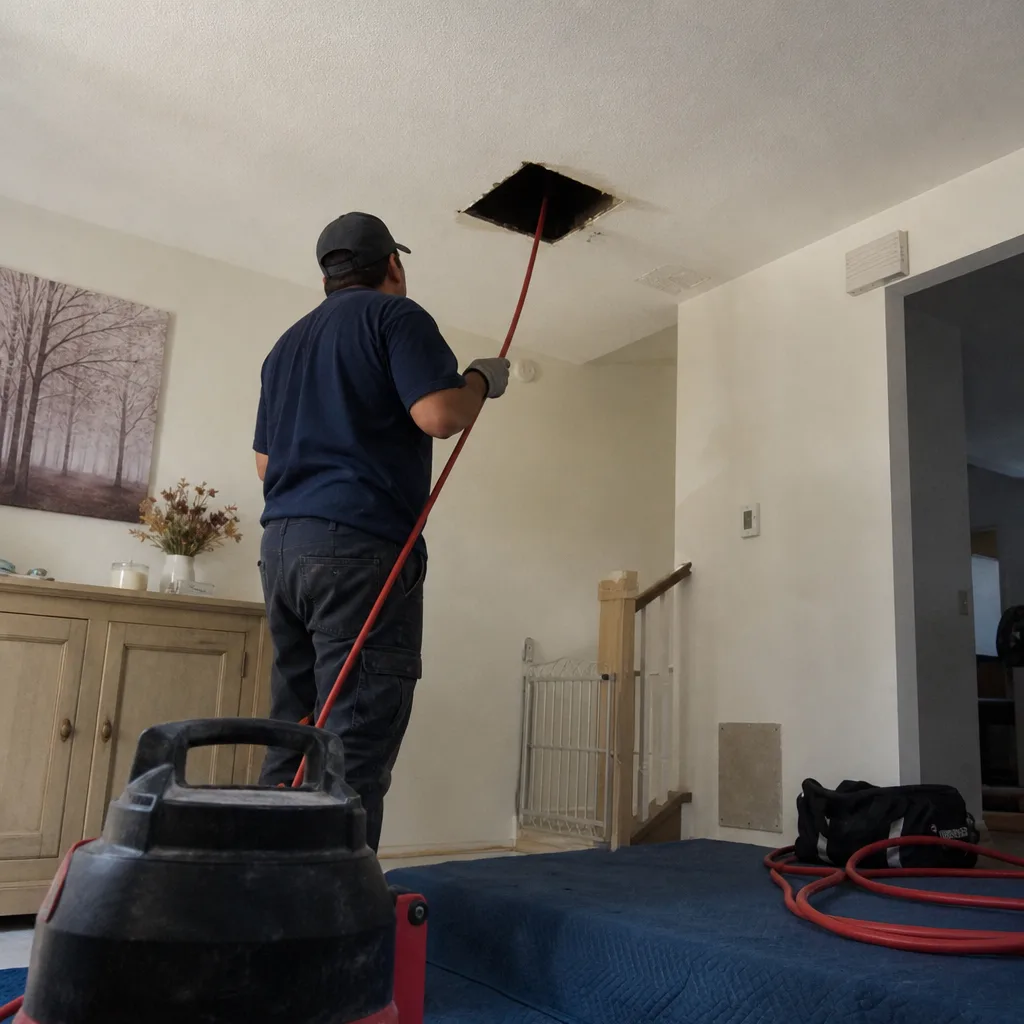
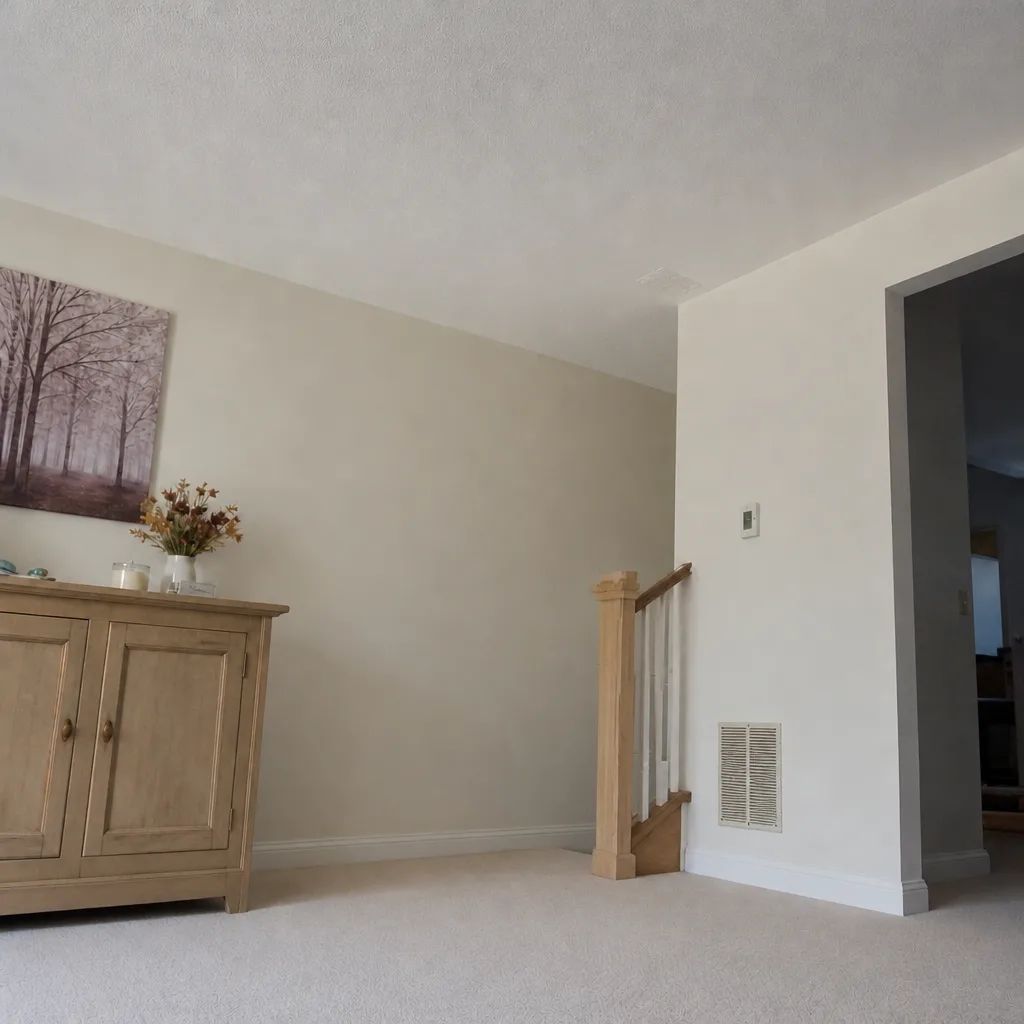
Whole-system duct and dryer vent check with before-and-after photos - you see exactly what came out of your vents
That "$99 whole-house special" is a bait ad - the real number appears once they are in your hallway, or the "clean" is a shop-vac at the register. We photograph the inside of your ducts before and after instead.
Air Duct Cleaning Maintenance Checklist for New Dorp Homeowners
The filter you changed last month tells you almost nothing about what’s happening inside the plenum, the coil drain pan, or the flex duct connections behind your walls – and those are exactly where the conditions that drive mold, odor, and airflow loss begin. Most checklists homeowners find online stop at “change the filter and hire a pro once a year,” which is a cleaning reminder, not a diagnostic tool. This guide gives you something better: a working inspection protocol you can run yourself, built around nine observable indicators that show up months before air quality suffers. You’ll learn what to check monthly, quarterly, and annually, how to compare register airflow without tools, and how to log findings so the next professional visit is targeted instead of generic. Every step is written for New Dorp homes specifically.
Quick Answer
An air duct maintenance checklist is a recurring inspection routine – monthly, quarterly, and annual – that tracks observable indicators like register airflow, moisture staining, and dust patterns so you catch system degradation between professional cleanings. New Dorp homeowners should check filters and registers monthly, inspect the HVAC cabinet and duct connections quarterly, and schedule a full professional assessment annually or after any renovation or new HVAC install. The goal isn’t to clean your own ducts; it’s to document what’s changing so a technician can prioritize the right work.
Styles & brands we work with
- Whole-home duct cleaning
- Dryer vent cleaning
- Camera inspection
- Sanitizing & deodorizing
Table of Contents
- Why a Checklist Beats a Cleaning Reminder
- Monthly Tasks: The Five-Minute Walkthrough
- Quarterly Tasks: Cabinet and Connection Inspection
- Annual Tasks: The Full-System Review
- Register-Level Airflow Comparison Without Tools
- The Nine Observable Indicators
- New Dorp Environmental Factors That Accelerate Fouling
- How to Log Findings for Your Next Service Visit
Why a Checklist Beats a Cleaning Reminder
The difference between a cleaning reminder and a diagnostic checklist is the difference between a calendar alert and a logbook. A reminder says “clean the ducts.” A checklist says “the return register in the back bedroom has been weaker than the others for three months, there’s a rust streak on the cabinet exterior, and the coil drain pan is holding water.” One of those gets a technician to the right problem faster.
Duct systems degrade gradually, and most of that degradation is invisible from inside the living space. Flex duct connections pull loose at joints. Insulation gets compressed or wet. Coil drain pans overflow slowly instead of catastrophically. By the time these conditions show up as musty odor or a room that won’t cool, they’ve typically been developing for a season or more.
We’ve seen this pattern repeat across New Dorp homes, especially in older construction where duct runs pass through unconditioned attic and crawl spaces. The homeowners who catch problems early aren’t doing anything technical – they’re just checking the same handful of spots on a schedule and writing down what they see. That’s the whole method.
What follows is the same protocol our technicians use as a starting point when they walk into a New Dorp home, minus the equipment. You can run every check in this guide with your eyes, your hands, and a notepad. When you’re ready for the professional side of the work, that’s what air duct cleaning covers.
One thing to understand up front: the air inside your home is only as clean as the system moving it. A checklist doesn’t clean the system. It makes sure you know what’s happening inside it.
Monthly Tasks: The Five-Minute Walkthrough
Monthly checks are about pattern recognition. You’re not fixing anything – you’re noticing whether anything has changed since last month. Five minutes, once a month, is enough.
- Inspect the air filter. Hold it up to a light source. If you can’t see light through the pleats in the center of the filter, it’s loaded. Note the date and replace it. Write down the interval – if you’re replacing monthly when the label says quarterly, that itself is a finding worth flagging.
- Walk every register in the house. Hold your hand about six inches from the grille and note the strength of airflow. You’re not measuring, just comparing. Note any register that feels noticeably weaker than the others. More on how to do a real comparison in a later section.
- Look at the register grilles themselves. Are they dusty, streaked, or discolored? Dark streaks radiating from the grille edges are a signal – they usually mean air is escaping around the register frame and pulling dust with it.
- Smell the air at each register. A faint musty or sour smell at one register only is a strong indicator of moisture somewhere in that run. Note which register and which room.
- Listen. A whistling register is usually a restriction. A rattling one is often a loose connection or a register boot that’s pulled loose from the duct.
- Check the return grilles for buildup. Returns pull in more dust than supplies, and they clog faster. A visibly loaded return grille face means the system is working harder than it should.
Log everything. The point of the monthly walkthrough isn’t the individual check – it’s the trend line over three, six, and twelve months.
Quarterly Tasks: Cabinet and Connection Inspection
Quarterly checks move you from the living space to the equipment. This is where internal contamination often leaves its first visible evidence on the outside of the cabinet, and where duct connections reveal themselves.
At the HVAC Cabinet Exterior
You’re looking for four things: rust streaks, moisture staining, insulation gaps, and dust shadows.
- Rust streaks run vertically down the cabinet face or pool at the base. Rust on a cabinet exterior almost always means condensation is forming somewhere it shouldn’t – typically a coil pan or a sweating line. Rust inside a sealed cabinet escalates into coil corrosion fast.
- Moisture staining shows up as darker patches or tide marks on the insulation or cabinet surface. Any damp spot on equipment calls for a technician visit, not a homeowner patch.
- Insulation gaps appear as exposed metal between insulation panels, or insulation pulling away from seams. Gaps let cabinet air mix with room air – which means unfiltered air is bypassing the filter entirely.
- Dust shadows are clean patches or dark outlines around seams and fastener heads. They mark air escaping a seal, and the escaping air carries dust with it.
At the Duct Connections
Walk the visible duct runs – basement, attic, crawl space, garage ceiling – and check every joint. Flex duct collar connections should be fully seated and taped or clamped. Any gap, sag, or disconnected run is a leak. Sagging flex duct also compresses and cuts airflow, so note sags as well as gaps. If you find a separated connection, don’t reach into the system yourself – photograph it, note the location, and add it to your log.
Duct repair and sealing is one of the five services we handle, which is why we recommend documenting gaps rather than taping them. A proper seal uses the right materials for the duct type and closes the joint fully.
Annual Tasks: The Full-System Review
Annual checks are the big sweep. Set aside an hour, do the monthly and quarterly checks first, then work through the deeper items below.
- Review your twelve-month log. Before you touch anything else, read what you wrote all year. Look for patterns: the same register flagged repeatedly, a filter interval that’s shortening, a smell that comes and goes with the season.
- Inspect the coil drain pan and drain line. The pan should be dry when the system isn’t running and should drain freely when it is. Standing water or a slimy pan is a moisture source connected directly to your air stream. Don’t disassemble anything – just observe.
- Photograph the inside of one supply register. Remove the grille (they’re usually held by two screws) and photograph the duct interior with your phone flashlight. Repeat at the same register each year so you can compare. Visible dust accumulation on the duct walls, debris chunks, or streaks of dark buildup are all worth logging.
- Check for gaps at the air handler access panel. Any space between the panel and the cabinet is a filter bypass – unfiltered air pulled past the filter and sent through the system.
- Note any renovation, appliance, or HVAC service since last year. A new HVAC install, a kitchen remodel, or any drywall work sends fine particulate into the system. These events are the strongest trigger for an unscheduled professional cleaning.
- Schedule a professional assessment if you haven’t had one. Most New Dorp homes benefit from a full-system cleaning every few years, but if your log shows steady degradation, an annual rhythm makes more sense.
Register-Level Airflow Comparison Without Tools
You can compare airflow across every room in a New Dorp home without buying a single tool. The method is crude but consistent, and consistency is what makes it useful.
The Method
- Run the system in fan-only mode. This isolates the duct run from heating or cooling, and gives you a steady airflow pattern to compare.
- Start at the register closest to the air handler. Hold your hand flat about six inches from the grille, fingers slightly spread. Give yourself three seconds to feel the airflow strength.
- Rate it on a simple 1-to-5 scale. Write the number down along with the room name. Don’t try to be precise – what matters is relative strength between rooms.
- Walk every register in the house in the same order each time. This is the key to the whole method. Same order, same hand position, same distance.
- Compare the numbers on your log. One register rated 2 while everything else rates 4 is worth flagging. Two registers dropped from 4 to 3 since last quarter is worth flagging.
What the Numbers Tell You
A single weak register usually points to a partial blockage or a duct run that’s developed a leak or separation. If the weakness appeared suddenly, suspect a pulled connection or a register boot that’s come loose. If it’s been weak for as long as you can remember, the duct run may be undersized or the register may be at the far end of a long run – which is normal, not a problem.
A system-wide drop in airflow across every register is a different signal. That usually points to a loaded filter, a restricted return, or a blower issue – all of which are “call a technician” items. Don’t try to clear a blockage or reconnect a duct yourself. Duct systems share the same air pathway as the coil and the heat exchanger, and invasive work is a trained-professional job.
The Nine Observable Indicators
These nine indicators are the ones we look for first at any address. You can watch for all of them yourself, and each one shows up long before air quality problems become obvious inside the living space.
- Register grille dust streaks. Dark lines radiating from register edges mean air is bypassing the grille frame and carrying dust out of the wall cavity.
- Uneven register airflow. One room consistently weaker or stronger than the rest, or a sudden change, points to leaks, separations, or blockages.
- Musty odor at a specific register. A localized smell nearly always traces back to moisture in that duct run – often a damp attic section or a sweating connection.
- Rust streaks on the HVAC cabinet. Exterior rust means internal condensation somewhere upstream, typically the coil pan or the cabinet base.
- Insulation gaps at cabinet seams. Exposed metal between insulation panels lets unfiltered air into the system, which defeats the filter.
- Visible dust on duct interiors via register photographs. Photograph one register interior annually, and compare against last year’s photo. Increasing buildup is the clearest indicator of fouling.
- A filter interval that’s shortening. If you’re changing the filter more often than you used to, the system is loading faster than it used to. That’s an upstream-contamination signal.
- Standing water or slime in the coil drain pan. The pan should be dry and clean. Standing water is a direct route for moisture to enter the airstream.
- Whistling or rattling registers. Whistling is restriction; rattling is a loose component. Both are audible from two rooms away if you know to listen.
We recommend flagging any indicator found in the monthly or quarterly check and revisiting it at the next scheduled interval. A single flag isn’t a crisis. Two flags together, or one flag repeating across three months, usually warrants a call.
New Dorp Environmental Factors That Accelerate Fouling
New Dorp sits on the eastern side of Staten Island, and the environment here puts specific pressure on duct systems that a generic checklist won’t account for.
Proximity to the Water
New Dorp borders Great Kills and the eastern shoreline, and the closer a home sits to the water, the higher the ambient moisture load it deals with. Higher ambient moisture doesn’t corrode residential ducts the way it corrodes metalwork outside, but it does load the coil and drain pan harder, and it makes any duct run through a humid attic or crawl space a better environment for mold. If your home is in New Dorp proper or near Great Kills Park, treat the coil drain pan and any attic duct runs as your highest-priority quarterly checks.
Humidity Seasonality
Staten Island summers push dew points into the uncomfortable range, and that moisture load drives coil condensation cycles hard from roughly June through September. The coil pan that stays dry in February can collect standing water daily in August. Duct runs through unconditioned attic spaces can sweat at the joints. If your quarterly inspection falls in spring or fall, add a summer check specifically for moisture. This is the single biggest seasonal adjustment New Dorp homeowners should make to a generic checklist.
Urban Particulate Patterns
New Dorp is a dense suburban neighborhood with continuous traffic on Hylan Boulevard and the surrounding commercial corridors. Ambient fine particulate in a busy corridor is higher than in a rural setting, and that particulate loads the return side of the system faster than most homeowners expect. Homes near Hylan Boulevard or the shopping corridors along New Dorp Lane will typically find their return grilles loading faster than homes on quieter side streets. That’s a reason to check returns monthly instead of quarterly.
Older Housing Stock
Much of New Dorp’s housing was built during decades when ducting practices were simpler – fewer sealed joints, more flex runs through unconditioned space, and less attention to insulation quality at connections. That means leaks and separations show up here more often than in newer construction. The yearly interior photograph of one register is the fastest way to spot the difference.
These local factors are also part of why we run professional-grade equipment rather than consumer tools – HVAC cleaning in this kind of environment recovers more debris than a simple brush-and-vacuum pass will.
How to Log Findings for Your Next Service Visit
A log is what turns your self-inspection into something a technician can use. Without one, a service visit starts from scratch every time. With one, it starts from evidence.
What to Log
- Date and check interval (monthly, quarterly, annual).
- Filter replacement dates – the actual dates, not “occasionally.”
- Register airflow ratings – the 1-to-5 number and the room name for each register.
- Any smell notes – which register, which room, and when it appears.
- Cabinet observations – rust streaks, moisture staining, insulation gaps, dust shadows, each with a location and a short description.
- Duct connection notes – sagging runs, visible gaps, loose connections, with a photo if possible.
- Event markers – renovations, new HVAC installs, drywall work, appliance replacements.
- Annual register interior photos – the same register, every year, for comparison.
How to Format It
A simple notebook works. So does a note on your phone. What matters is consistency: the same register order every time, the same check items every time, and the dates in a format you can skim. Organize by month going down the page, and keep a separate “flags” section where any indicator gets a star and a date. When you call for service, the flags section is what you read out loud.
How the Log Helps the Technician
With a log in hand, a technician can prioritize. A system with a flagged register in the back bedroom and a rust streak on the cabinet isn’t a generic cleaning job – it’s a job that starts with the cabinet, works toward the affected duct run, and confirms the register weakness resolves after cleaning. Without the log, that same job starts with a full walkthrough that costs time and often misses the actual cause.
We’ve worked with enough New Dorp homes to know that a two-page log is worth more than an hour of testing. It tells us where to start, and it tells you what to check again in three months to confirm the work solved the problem.
If your log points toward the full system, we handle the whole pathway in a single coordinated visit – dryer vent cleaning and duct sealing included. Our technicians have up to 15 years of experience, and we use Rotobrush and Nikro equipment alongside Abatement Technologies air-filtration units on every job to capture contaminants at the source. Post-cleaning, we work with Honeywell and Aprilaire air quality systems when the log shows the need.
Common Mistakes to Avoid
- Treating the log as a one-time exercise. A checklist run once doesn’t reveal trends. The value lives in comparing same-register data month over month, quarter over quarter, and year over year. If you skip two months, the trend line breaks.
- Rating airflow with a different hand position each time. Every rating should be taken from the same distance and the same hand position on the same register. Otherwise you’ll “detect” changes that are just inconsistent measurement.
- Ignoring a single flagged register because everything else feels fine. In New Dorp homes, a single weak register often traces to a separated flex duct connection that will only get worse. One flag is a prompt to keep watching; two flags on the same register means call for service.
- Taping or patching a duct connection yourself. Duct sealing needs the right tape for the duct material, and the seal has to be complete. A homeowner patch often traps moisture or fails within a heating season, and it makes the technician’s job harder.
- Skipping the summer moisture check. The single biggest seasonal adjustment for New Dorp is adding a check during the high-humidity months. Pan moisture and sweating joints show up in July that won’t show in April, no matter how thorough the spring inspection was.
- Cleaning only the ducts and ignoring the dryer vent. The dryer vent is part of the home’s overall air and exhaust system. Many homeowners never look at it, and it’s the highest-risk run in most houses because of lint accumulation. Include it in the annual sweep.
- Scheduling a professional cleaning immediately after renovation without checking the system first. Fine drywall dust and construction particulate can settle into the coil and ductwork in days. A full system review right after any renovation is worth more than waiting for the annual sweep to catch it.
See the difference
 Before
 After
 Before
 After
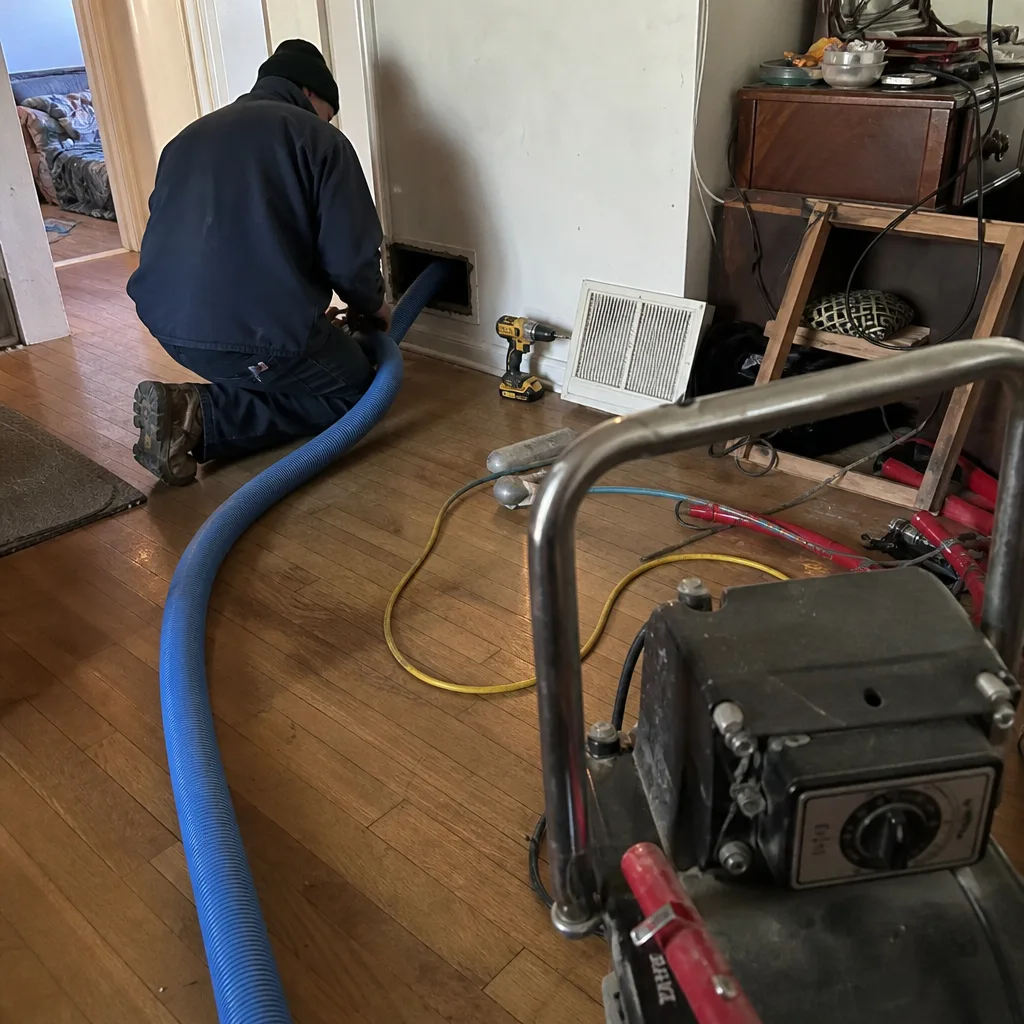 Before
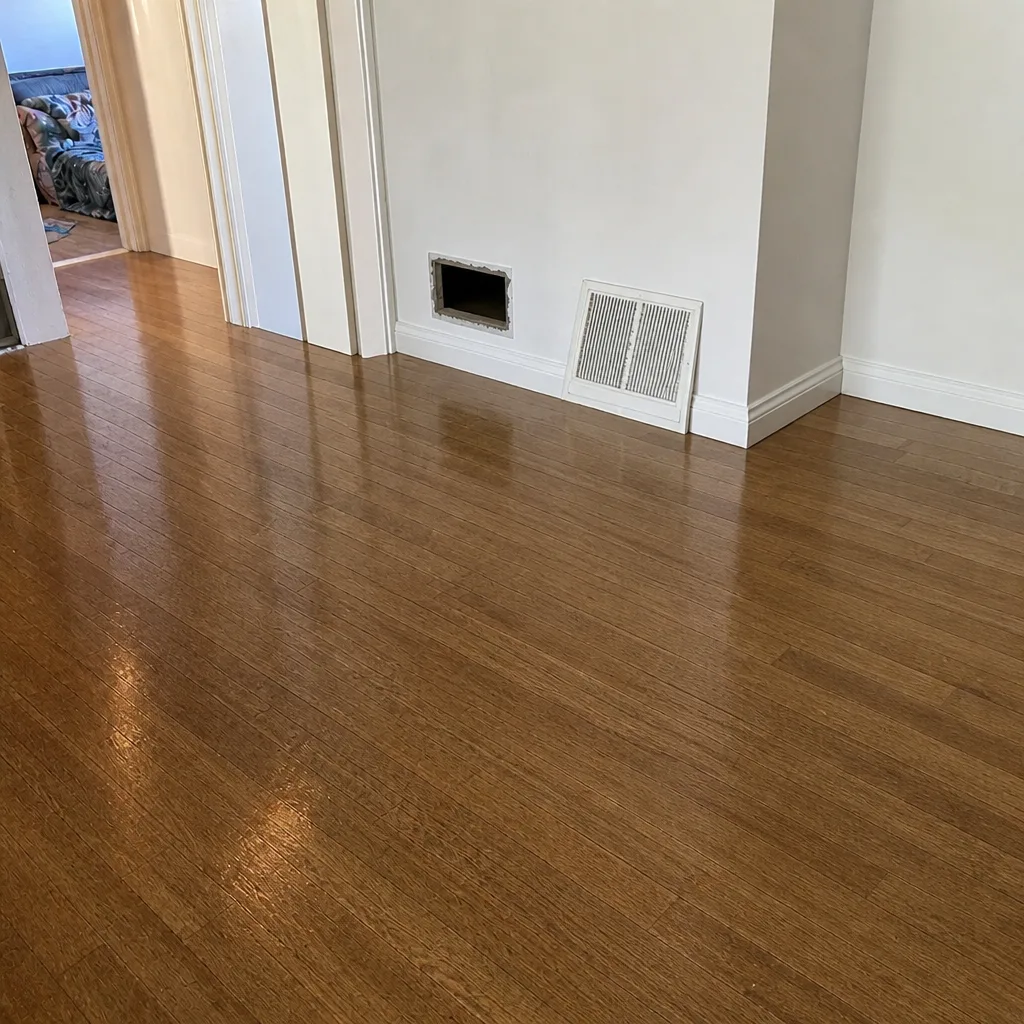 After
When to Call a Professional
Call a professional when the checklist turns up any of the following: a flagged register that has stayed weak across three monthly checks; visible rust, moisture staining, or insulation gaps at the HVAC cabinet; a coil drain pan holding water; a duct connection you can see is separated; a persistent smell at one register; or a filter interval that’s dropped noticeably. Any of these deserves a trained visit rather than another month of watching.
You should also call if it’s been a few years since the last full-system cleaning, even without a flag. New Dorp’s proximity to the water, its humidity seasonality, and the particulate load from Hylan Boulevard mean most homes in the neighborhood benefit from a scheduled professional pass more often than homeowners on quieter inland streets. Air Duct Cleaning New Dorp offers free estimates in New Dorp – call (877) 759-0546.
We answer 24/7. Fast dispatch from 7am to 7pm, Sunday through Friday.
Frequently Asked Questions
For most New Dorp homes, a professional full-system cleaning every two to four years is a reasonable baseline, and annually in homes near the water, near Hylan Boulevard, or with a heavy allergen or pet load. The honest answer depends on your logs: if you’re flagging registers on every check, an annual rhythm makes sense; if your logs are clean for two years, you can stretch the interval.
Filter changes don’t address debris already settled on duct walls or internal contamination inside the cabinet, and the telling signs are on your log: a filter interval that’s shortening, visible dust buildup on the register interior photos, musty odor at a specific register, or rust and moisture staining on the cabinet exterior. If two or more of those are present with no filter-change explanation, the system itself needs attention, not just the filter.
The checklist is a diagnostic tool, not a substitute for professional cleaning. It tells you when the professional visit is needed and it tells the technician where to start, but it can’t remove compacted debris from duct walls or reach the coil interior. The two work together – the checklist keeps you from missing degradation, and the professional visit corrects it.
No. A shop vacuum can’t generate enough negative pressure to contain debris at the source, and it can’t reach the compacted material on duct walls without a rotary-contact tool. Consumer-grade cleaning also tends to blow loose particulate back into the living space rather than capturing it. The professional visit uses containment and filtration equipment that a homeowner simply doesn’t have on hand, and that’s the difference that matters.
A full visit covers the entire air pathway: supply and return ducts, vents, registers, and the air handler cabinet and coil; the dryer vent as a separate run; and any duct repair and sealing the inspection calls for. Post-cleaning sanitizing is available with Honeywell and Aprilaire-compatible solutions. The estimate is per system and set in writing before the work starts, so you know exactly what’s included.
Pricing depends on the size of the home, the number of duct runs, the condition of the system, and whether sealing or sanitizing is included. Cheaper quotes often come from a single vacuum-and-brush pass that doesn’t touch the coil or the connections, which is how the price ends up low on the invoice and high after the work begins. We give one flat price per system before work starts, with before-and-after photos of your own ducts so you can verify the result. Call (877) 759-0546 for an exact quote – estimates are free.
The Bottom Line
The most useful air duct maintenance checklist for a New Dorp homeowner isn’t a cleaning reminder – it’s a logbook of observable indicators, taken on a monthly, quarterly, and annual rhythm, that shows you how the system is changing between professional visits. Check the filter and registers monthly, inspect the HVAC cabinet and duct connections quarterly, and do the deep annual sweep with interior photographs and a coil pan review. Pay attention to what New Dorp’s climate throws at the system: high summer humidity, proximity to the water, and particulate from the busy corridors. Log everything. The log is what turns your self-inspection into a targeted professional visit instead of a generic one, and it’s what lets a technician prioritize the actual work at your next service call.
Call (877) 759-0546 for a free estimate. We answer 24/7. Fast dispatch from 7am to 7pm, Sunday through Friday. One flat price per system, agreed before work starts, with before-and-after photos of your own ducts. If you’d like more on our local service, Air Duct Cleaning New Dorp is where to start.
Written by the team at Air Duct Cleaning New Dorp.