
Last updated November 24, 2026
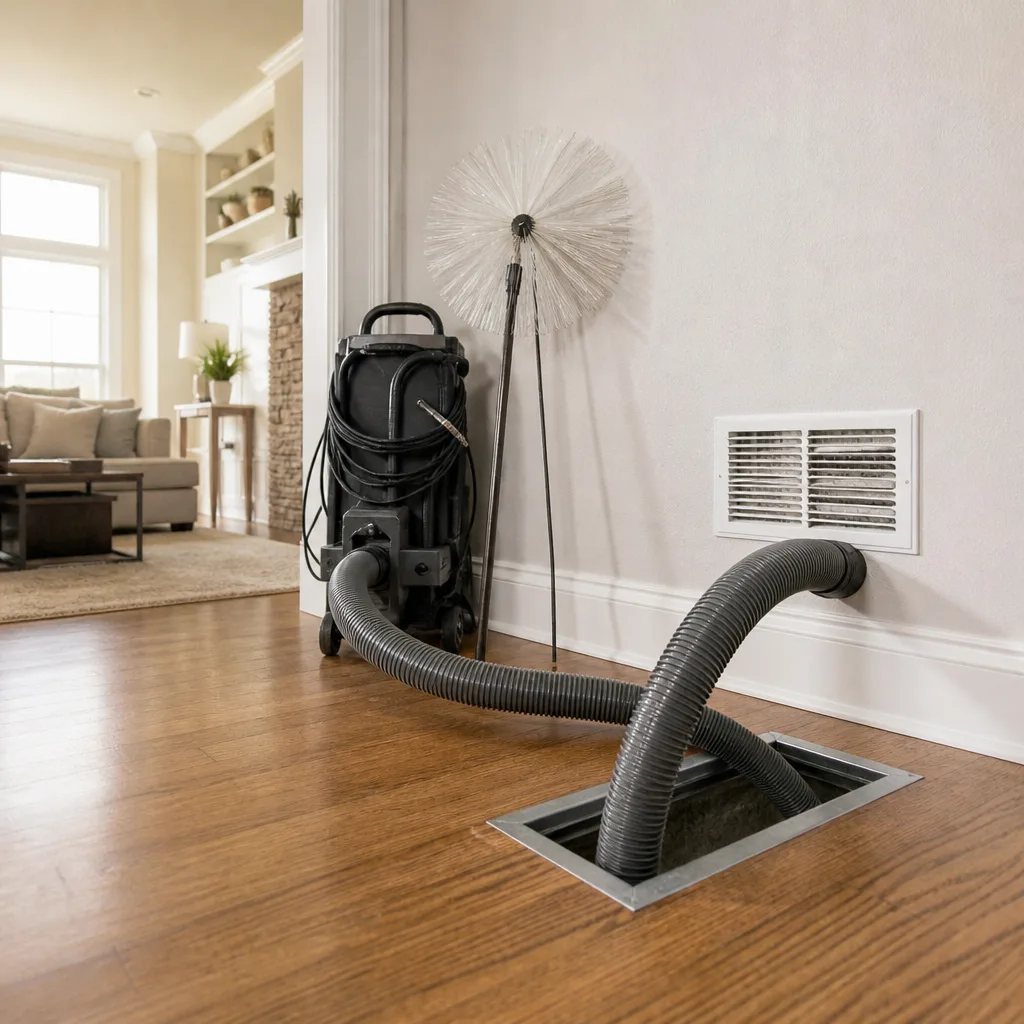 Whole-home duct cleaning
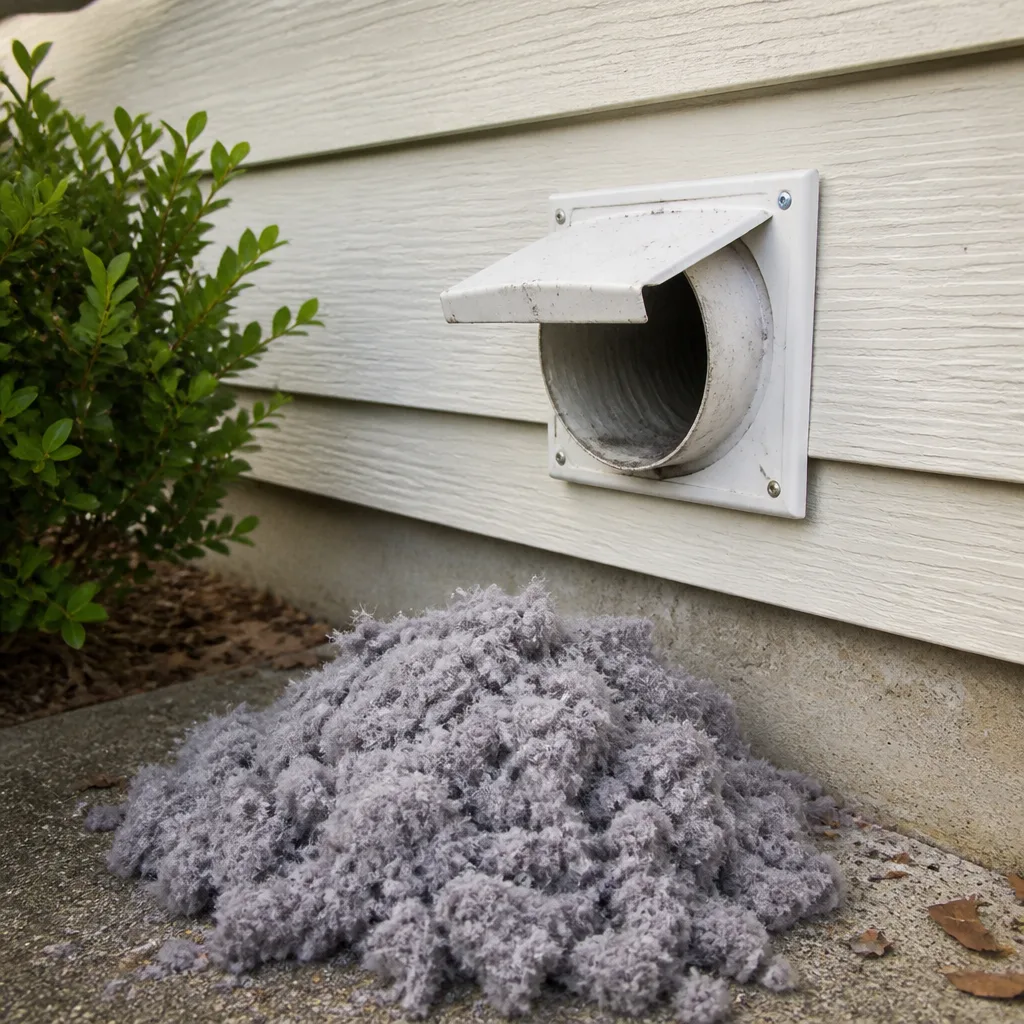 Dryer vent cleaning
 Camera inspection
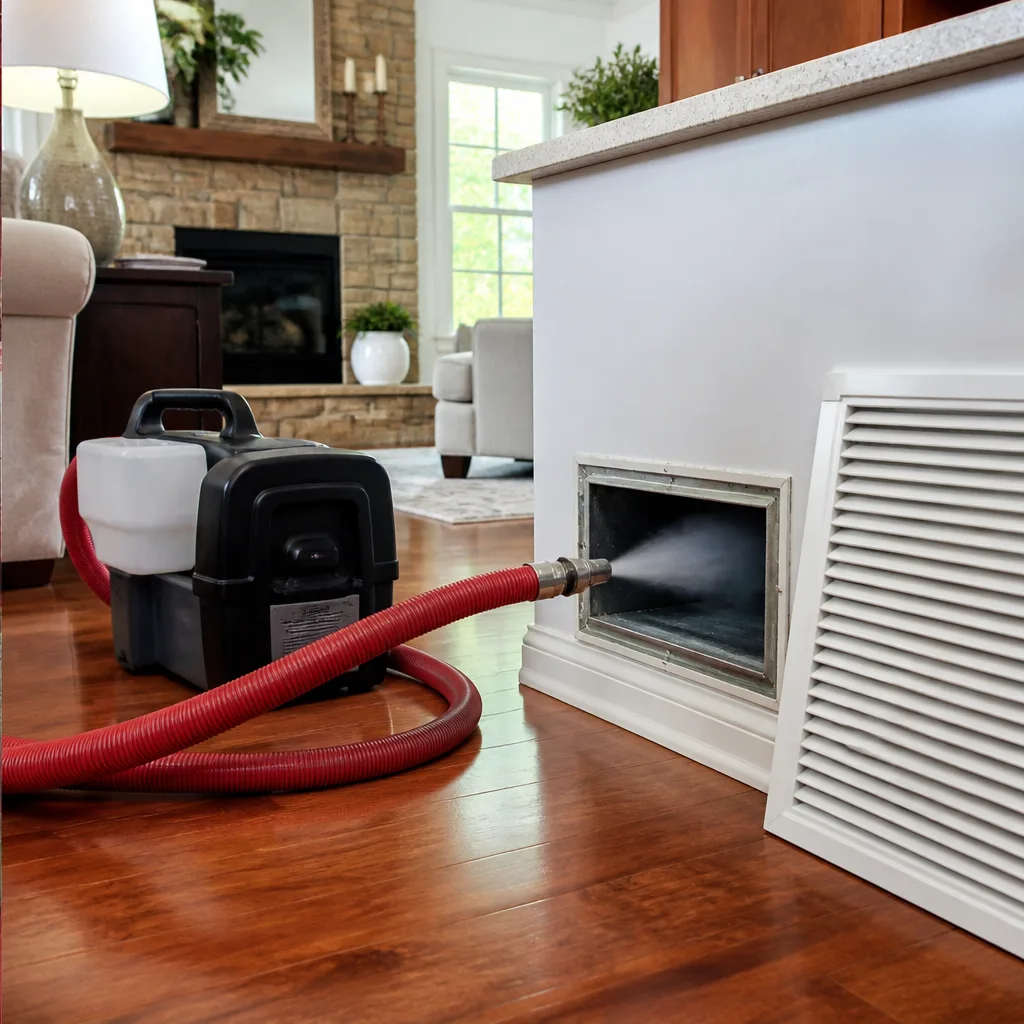 Sanitizing & deodorizing
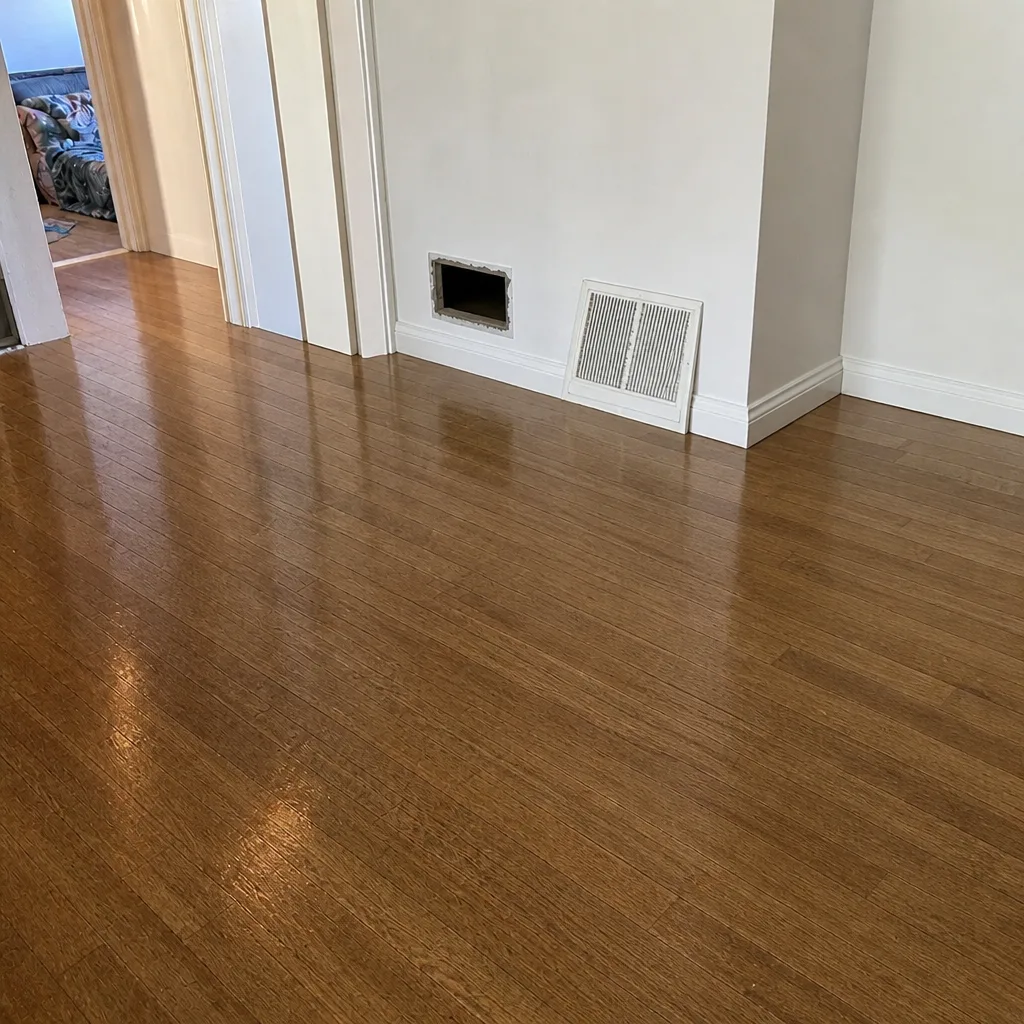
Whole-system duct and dryer vent check with before-and-after photos - you see exactly what came out of your vents
That "$99 whole-house special" is a bait ad - the real number appears once they are in your hallway, or the "clean" is a shop-vac at the register. We photograph the inside of your ducts before and after instead.
Air Duct Cleaning Troubleshooting in New Dorp: Common Problems and How to Fix Them
A homeowner swaps the filter three seasons running and still smells mildew the moment the heat comes on. The filter was never the problem. A wet liner segment deep in the trunk line was, and no amount of filter-changing touches it. That gap between the symptom you notice and the mechanical cause behind it is where most duct troubleshooting goes wrong. In this guide we map the five problems New Dorp homeowners call us about most – weak airflow, musty odor, rattling, dust that keeps coming back, and rooms that never heat evenly – to the actual components inside the air pathway that produce them, so you know what you’re dealing with before anyone shows up at your door.
Quick Answer
Most air duct problems in New Dorp trace back to one of a few mechanical causes: crushed or kinked flex duct, a collapsed inner liner, disconnected joints, a wet or moldy liner segment, or a return-side restriction – not simply “dirty ducts.” The right fix depends on which of those it is, and cleaning alone won’t solve a duct that’s physically crushed or leaking. Diagnose the cause first, then decide whether the answer is cleaning, repair and sealing, or both.
Styles & brands we work with
- Whole-home duct cleaning
- Dryer vent cleaning
- Camera inspection
- Sanitizing & deodorizing
Table of Contents
- The Symptom-to-Cause Matrix: What Each Problem Actually Means
- Why Flex Duct Kinks and Collapsed Liners Get Misdiagnosed as Dirty Ducts
- Supply or Return? How to Tell Which Side Is Failing
- When Cleaning Makes Things Worse
- The Two Problems That Require a Professional Scope First
- The Airflow Basics Every New Dorp Homeowner Should Know
- Seasonal Patterns in New Dorp Duct Problems
- What You Can Check Yourself and What You Can’t
The Symptom-to-Cause Matrix: What Each Problem Actually Means
Every duct complaint you can name has more than one possible source, and the fix is different for each. Treating the wrong one wastes money and changes nothing. Here’s how we sort the five most common symptoms in New Dorp to their mechanical origins before any equipment comes off the truck.
- Weak airflow at some vents, strong at others. Usually a crushed or kinked flex run, a disconnected joint, or a damper stuck partway closed. Rarely a dirty duct – debris coats walls evenly; it doesn’t starve one room and leave the rest fine.
- Musty or mildew smell when the system runs. Typically a wet liner segment, condensation pooling in a low spot, or microbial growth on the evaporator coil. Filter changes won’t touch any of these.
- Rattling or popping when the blower starts. Loose duct hangers, flex duct vibrating against a joist, or an undersized return pulling hard against a register grille. Sometimes a sign of static pressure problems.
- Dust reappearing days after cleaning. Often a return-side leak pulling attic or crawlspace air into the system, or debris left in the plenum that keeps re-entering the supply runs.
- Hot and cold rooms in the same house. A balance problem – undersized runs, blocked dampers, or a return that can’t pull enough air back to the unit. Cleaning won’t balance a system that was never balanced.
In our experience across New Dorp, the single biggest mistake we see is a homeowner ordering a cleaning to solve a problem that’s actually mechanical. If the symptom is “weak airflow to the back bedroom,” the answer is a scope and a repair, not a brush. If the symptom is “the whole house smells like a basement,” the answer starts with finding the moisture source.
Why Flex Duct Kinks and Collapsed Liners Get Misdiagnosed as Dirty Ducts
Flexible duct is the standard in most New Dorp homes built or renovated in the last few decades, and it fails in ways rigid duct doesn’t. The inner liner can separate from the outer jacket, sag into a kink at a tight turn, or collapse entirely under attic insulation. When that happens, airflow to one or more rooms drops, the system works harder, and the homeowner reasonably assumes the ducts are clogged.
They aren’t. A crushed duct isn’t dirty – it’s blocked by its own walls. Running a rotary brush through it won’t restore the airflow, and in a bad case the brush can tear a liner that was already compromised. We’ve seen this pattern repeat often enough in New Dorp’s older Cape Cods and split-levels that we treat “flex duct suspected” as a repair question first and a cleaning question second.
What to look for:
- Trace the run from the plenum to the register. A flashlight and a look at the duct in the attic or basement tells you a lot. Sharp 90-degree bends, duct pinched under a joist, or duct sagging between hangers are all red flags.
- Look for separated inner liners. If you can see the inner plastic sleeve pulled away from the metal collar at a connection, that run is leaking and probably starved.
- Check for a collapsed jacket. A flex run that’s flattened to a fraction of its round diameter is collapsed, and no cleaning restores it.
- Feel for airflow at the register with the system running. Weak but present airflow suggests a partial restriction; nothing at all suggests a disconnect or a closed damper.
Repairing a kinked or collapsed run means replacing or re-routing that segment and sealing the joints properly, which is why we offer duct repair and sealing as a standard service alongside our air duct cleaning. The right order is repair first, cleaning second, so the system is airtight before we clean it.
Supply or Return? How to Tell Which Side Is Failing
Before you call anyone, you can narrow the problem down to the supply side (the ducts pushing conditioned air into rooms) or the return side (the ducts pulling air back to the unit) with nothing more than a tissue and a flashlight. That single distinction tells you a lot about what’s likely wrong and what the fix will involve.
- Hold a tissue against a supply register with the system running. A strong flutter means the supply side is moving air toward that room. A weak flutter, or the tissue falling away, means the supply run to that register is restricted, disconnected, or dampered down.
- Hold the tissue against a return grille. It should pull toward the grille firmly. If it barely moves, the return is undersized, blocked by a filter that’s past due, or leaking from an unconditioned space.
- Check every register in the house, not just the problem room. If one room is starved and the rest are fine, the problem is that run. If the whole house feels weak, the problem is at the unit, the main trunk, or the return.
- Shine a flashlight into the register boot. Look for a closed damper blade, a disconnected flex collar, or visible debris packed against the grille. What you see points to the fix.
Supply-side problems often mean a repair – kinked duct, disconnected joint, closed damper. Return-side problems often mean an undersized return, a dirty filter, or leaks pulling air from the attic. Both are common in New Dorp homes where an HVAC system was upgraded without re-sizing the returns. Sometimes the return is fine and the supply run is compromised, and vice versa, so checking both sides is the only way to know which one you’re dealing with.
When Cleaning Makes Things Worse
A cleaning done carelessly can leave a system in worse shape than it started. This is the part of the trade that doesn’t get much airtime, but we think homeowners should know it because it’s the reason equipment matters as much as technique.
Two specific failure modes show up over and over:
- Dislodged debris pushed into an unserviced plenum. If a technician cleans the branch runs but doesn’t service the main plenum and the return trunk, the loosened debris has nowhere to go but back through the system. Two weeks later the homeowner is looking at dust on the registers again and calling someone else. The fix is a full-pathway cleaning that includes the plenum, trunk, and returns – not just the visible vents.
- Cracked flex duct joints from aggressive brushing. Aged flex duct gets brittle. A rotary brush run through a brittle joint can crack it open or separate the inner liner, introducing a leak where there wasn’t one. On older ductwork, a gentler approach and negative-pressure containment matter more than raw brush speed.
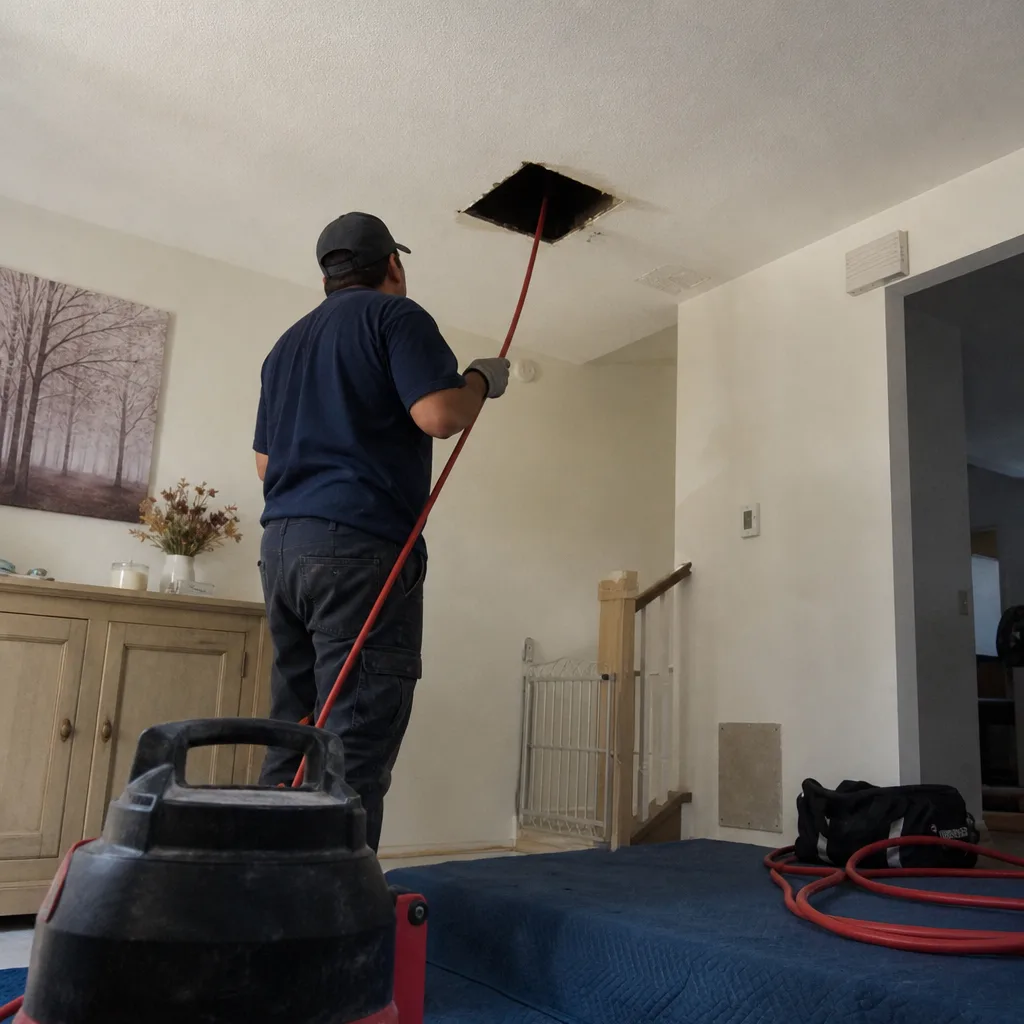
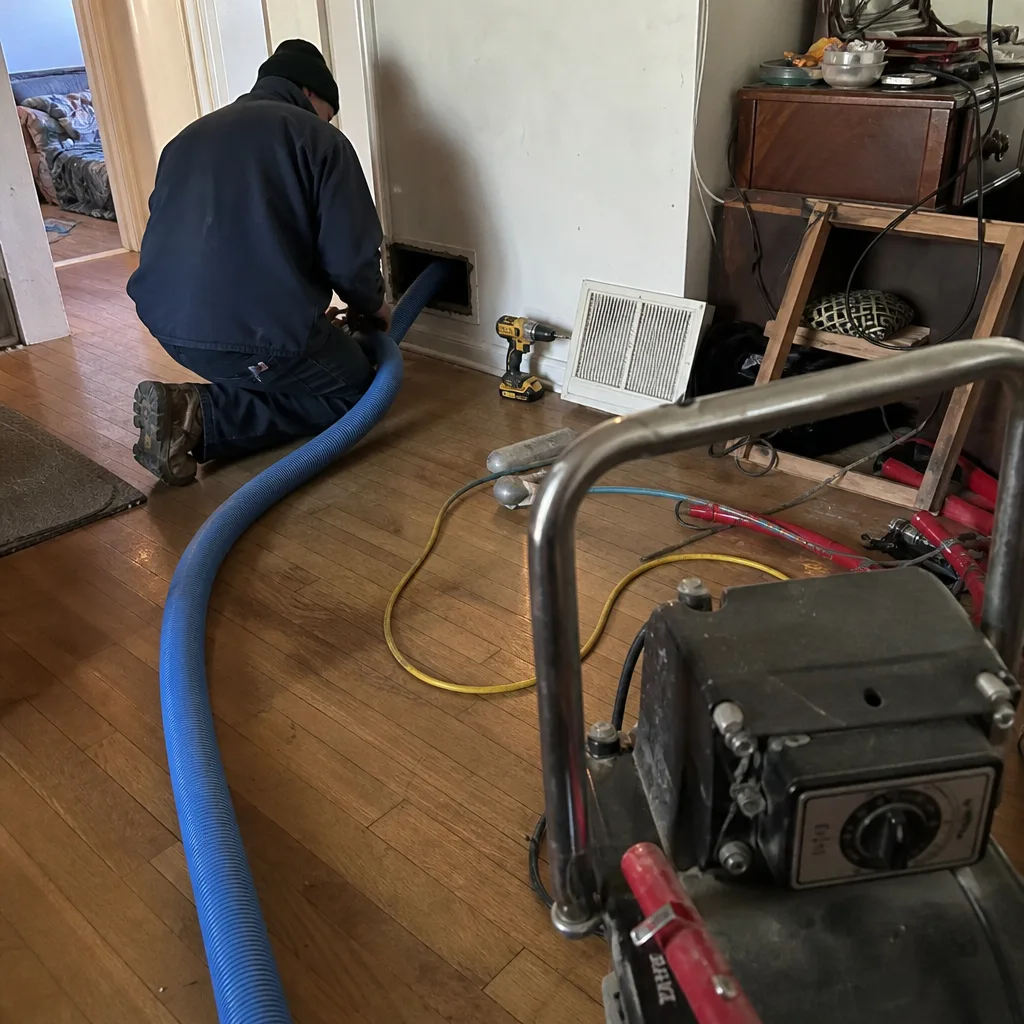
This is why we use Rotobrush rotary-contact systems and Nikro HEPA vacuum equipment together – the brush dislodges compacted material from the duct walls while the HEPA vacuum holds negative pressure so debris stays captured rather than recirculating into the room. We also run Abatement Technologies air-filtration units on site to catch fine particulates during the job. The equipment isn’t a marketing line; it’s the difference between pulling debris out of a duct and pushing it around inside one.
One more thing worth knowing: if a duct is crushed or collapsed, cleaning can’t fix it and may accelerate its failure. Mechanical problems should be repaired first, then cleaned.
The Two Problems That Require a Professional Scope First
Two situations absolutely warrant a professional scope before any other work begins: visible mold inside the system, and a home that has had water intrusion or a flood. Both change the game in the same way – they turn the job from “clean the ducts” into “find the moisture source and fix it, then deal with what grew there.”
Visible Mold Inside Ducts or on the Coil
If you can see dark spotting, fuzzy growth, or staining on the inside of a register boot, on the evaporator coil, or on the liner of a duct, treat it as a moisture problem before you treat it as a cleaning problem. Mold grows where there’s persistent moisture, and cleaning it off without finding the source means it comes back. In New Dorp’s humid summers, condensation on poorly insulated duct runs and on the evaporator coil is a common pathway. What that needs is a scope to locate the moisture, a repair or insulation fix to stop it, and then cleaning and sanitizing once the source is addressed. If the growth is widespread, professional remediation is the right call – and if any of it is black mold or extensive, a licensed remediation contractor should assess it before duct work begins. We don’t cut corners here; the risk of improperly disturbing mold is not worth the few dollars you’d save by skipping the assessment.
Post-Flood Odor or Water Damage
A home that has taken on water – a basement flood, a burst pipe, an appliance failure – often ends up with musty ductwork even after the visible water is gone. What’s happened is that moisture reached duct liners or insulation and didn’t fully dry, and the smell is the result. Before any cleaning, the system needs to be inspected to see whether the affected runs are salvageable or should be replaced. In badly saturated cases, cleaning alone won’t remove the odor, and replacing the affected segments is the honest answer. Once the system is dry and sound, we sanitize it with Honeywell and Aprilaire-compatible solutions to bring the air pathway back to a clean baseline. If you have either of these situations in New Dorp, have it scoped before you schedule a cleaning.
The Airflow Basics Every New Dorp Homeowner Should Know
Most of the troubleshooting above comes down to airflow balance, and airflow balance comes down to three things: supply, return, and static pressure. You don’t need a manometer to understand it – just the idea that a duct system is a loop and the blower has to push out exactly what it pulls in.
When a return is undersized or blocked, the blower starves. It can’t pull enough air back, so supply airflow to the house drops, and the system runs longer to reach setpoint. When a supply run is restricted, the air finds other paths – through leaks, around boots, or back through returns. Both scenarios show up as weak airflow, and both are common in New Dorp homes where additions or HVAC upgrades happened without resizing the duct system.
Where the climate matters: New Dorp’s humid summers put real condensation load on duct runs in unconditioned attics and basements. That’s why a short panned return in a warm attic is especially prone to sweating and wet liners here, and why we treat insulation on duct runs as part of the picture rather than an afterthought. A duct that sweats in July is a duct that grows microbial growth by September if the moisture isn’t addressed.
Three airflow habits that help:
- Keep the filter clean. A clogged filter reduces return airflow and raises static pressure across the whole system.
- Don’t close registers to “balance” rooms. Closing supplies raises pressure and can force leaks at joints.
- Make sure at least one return in a closed room stays open. A bedroom door with no return path starves that room and the system.
We clean the full air pathway – ducts, vents, coils, and beyond – because airflow problems rarely live in only one place. If you’ve checked the basics and still have a stubborn problem, our HVAC cleaning scope includes the coils and plenum where airflow issues often originate.
Seasonal Patterns in New Dorp Duct Problems
Duct problems here follow the seasons, and knowing which symptom belongs to which time of year helps you plan. The first cold snap is when heating complaints spike, and the first humid week of summer is when musty odors show up. That’s not coincidental – the system is being pushed in a new direction, and whatever was already compromised shows up.
In the colder months, the pattern we see most often in New Dorp is uneven heat: a back bedroom that never warms up, a first floor that’s fine while the second floor is cold. This is usually a supply-side restriction – a kinked flex run, a partially closed damper, or a return problem pulling cold air from the attic. It’s not a duct-cleaning symptom, and a cleaning won’t fix it. The repair does.
In the warmer months, the pattern shifts to moisture: musty smells when the AC kicks on, condensation on duct runs in the attic, and sometimes visible dampness at a register boot. Those point to wet liners or coil condensation, which is a scope-and-repair question first and a cleaning-and-sanitizing question second.
Year-round complaints – dust reappearing, rattling, a persistent smell in one room – usually trace to the same handful of causes regardless of season: return-side leaks, loose hangers, or a localized moisture issue. New Dorp homes near the commercial corridors and busier streets often notice exterior dust load more than interior homes, and a full-system cleaning with proper containment is the fix for that. Our dryer vent cleaning is worth folding into the same visit if you haven’t had it looked at, since lint buildup is a separate but related air-pathway concern. Both fall under the same full-system approach we bring to every Air Duct Cleaning New Dorp job.
What You Can Check Yourself and What You Can’t
There’s a lot a homeowner can narrow down without calling anyone, and a few things that genuinely need professional equipment. Knowing the line saves you a service call and tells you when to make one.
What you can check yourself:
- Filter condition and fit – a filter that doesn’t seal its frame lets unfiltered air past.
- Airflow at every supply register with a tissue.
- Return pull at every return grille.
- Visible duct condition in the attic or basement – kinks, collapsed runs, separated collars, damp liner.
- Whether the same problem affects one room or the whole house.
What needs a professional scope and equipment:
- Anything inside a closed wall, ceiling, or floor cavity.
- Visible mold or any sign of moisture inside the system.
- Post-flood or water-damage odor that doesn’t clear after drying.
- Liner separation deep in a run, or a plenum that needs cleaning.
- Static pressure readings, which require a manometer and a technician who knows how to interpret them.
For the professional side of that list, our technicians have up to 15 years of experience reading these systems, and we bring professional-grade equipment – not big-box tools – to every job. Our technicians use Rotobrush and Nikro systems because they let us dislodge compacted debris, hold it under negative pressure, and capture fine particulates at the source instead of pushing them back into the house. When the problem is a repair, we repair and seal. When it’s a cleaning, we clean the full pathway. When it’s moisture and microbial growth, we sanitize with Honeywell and Aprilaire-compatible solutions after the source is addressed.
Common Mistakes to Avoid
- Assuming every airflow problem is a cleaning problem. Two out of three weak-airflow complaints we see in New Dorp turn out to be a mechanical restriction – a kinked flex run, a closed damper, a disconnected collar. Cleaning a restricted duct doesn’t fix the restriction.
- Skipping the return side. Homeowners focus on the visible supply vents and never check whether the return is pulling air properly. An undersized or leaking return starves the whole system, and cleaning the supplies won’t help.
- Cleaning before diagnosing moisture. If there’s visible mold or post-flood odor, cleaning without finding the moisture source means it comes back. Diagnose first, then clean and sanitize once the source is addressed.
- Using consumer-grade shop vacuums on ductwork. A shop vac creates no meaningful negative pressure and can recirculate fine debris into the living space. It also can’t reach past the register boot.
- Ignoring a rattling sound as “just duct noise.” Loose hangers and vibrating flex duct often signal static-pressure problems that cost efficiency and can loosen joints over time.
- Booking a cleaning without asking about containment and equipment. A coupon cleaning with no HEPA vacuum and no air-filtration unit often means debris gets dislodged and stays in the house. Ask what equipment will be on site.
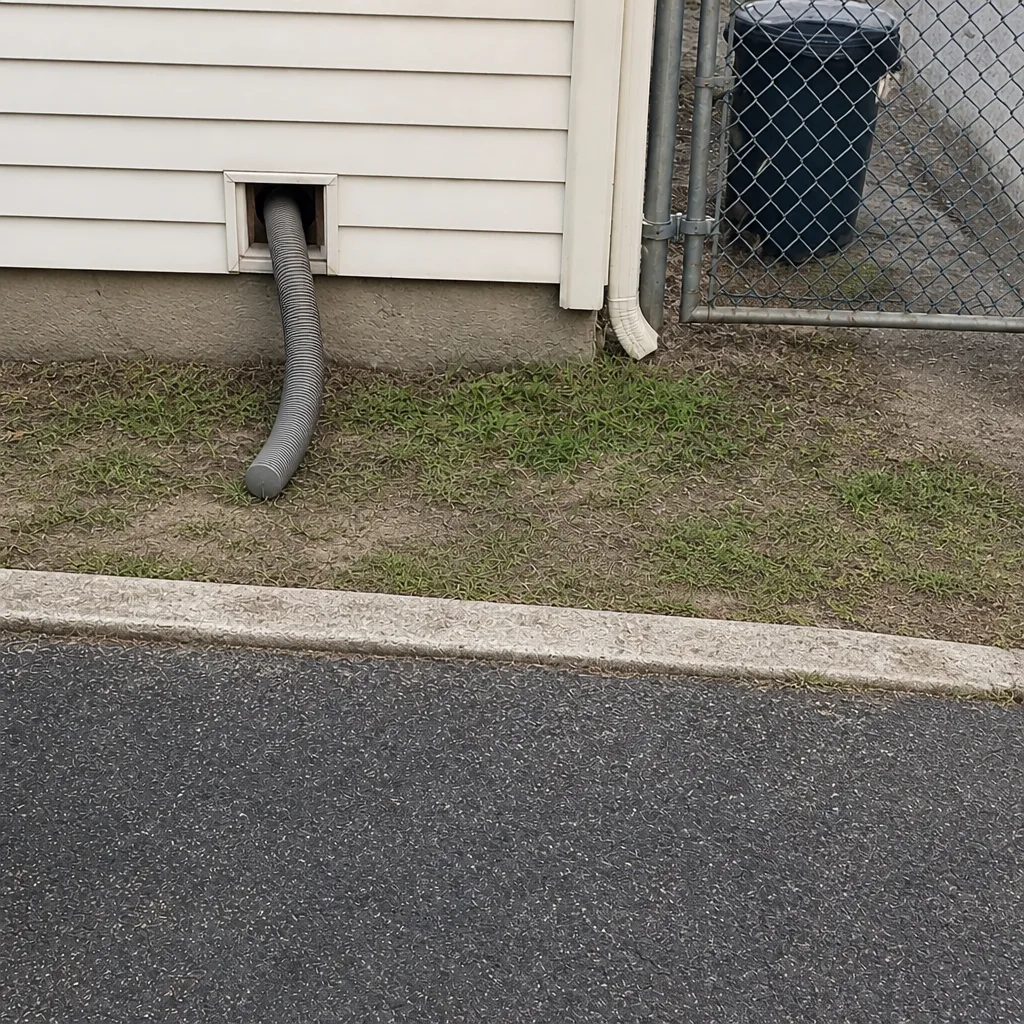
- Forgetting the dryer vent. It’s part of the same air pathway family and a separate fire-safety concern. Lint buildup in a dryer vent is one of the most under-checked fire risks in a home.
See the difference
 Before
 After
 Before
 After
 Before
 After
When to Call a Professional
Call a professional when you’ve checked filters and registers and the problem persists, when you can see mold or smell mustiness that comes and goes with the system, when your home has had water damage, when one room stays cold no matter what you do, or when a duct is visibly kinked or collapsed in the attic. Those are all signs that the cause needs a scope and equipment you don’t have at home, and delaying usually means the repair gets more expensive. Air Duct Cleaning New Dorp offers free estimates in New Dorp – call (877) 759-0546. We answer 24/7. Fast dispatch from 7am to 7pm, Sunday through Friday. Keep in mind that a Saturday call is booked into the next opening, since we’re closed that day.
Frequently Asked Questions
Typical whole-system air duct cleaning in New Dorp runs in a moderate range based on the number of runs, the size of the system, and whether repair or sealing is needed. We price per system, not per vent, and we agree on one flat price before any work starts – no coupon bait that turns into a bigger invoice on site. The written estimate sets the final price. Call (877) 759-0546 for an exact quote – estimates are free.
Cheap quotes usually skip the plenum, use consumer-grade vacuums with no HEPA containment, and don’t include repair or sealing even when the ducts need it. That saves equipment cost on their end and puts the debris back in your air on yours. A proper job uses professional-grade equipment and captures contaminants at the source. Ask what equipment will be on site and whether repair and sealing are included. Call (877) 759-0546 for an exact quote – estimates are free.
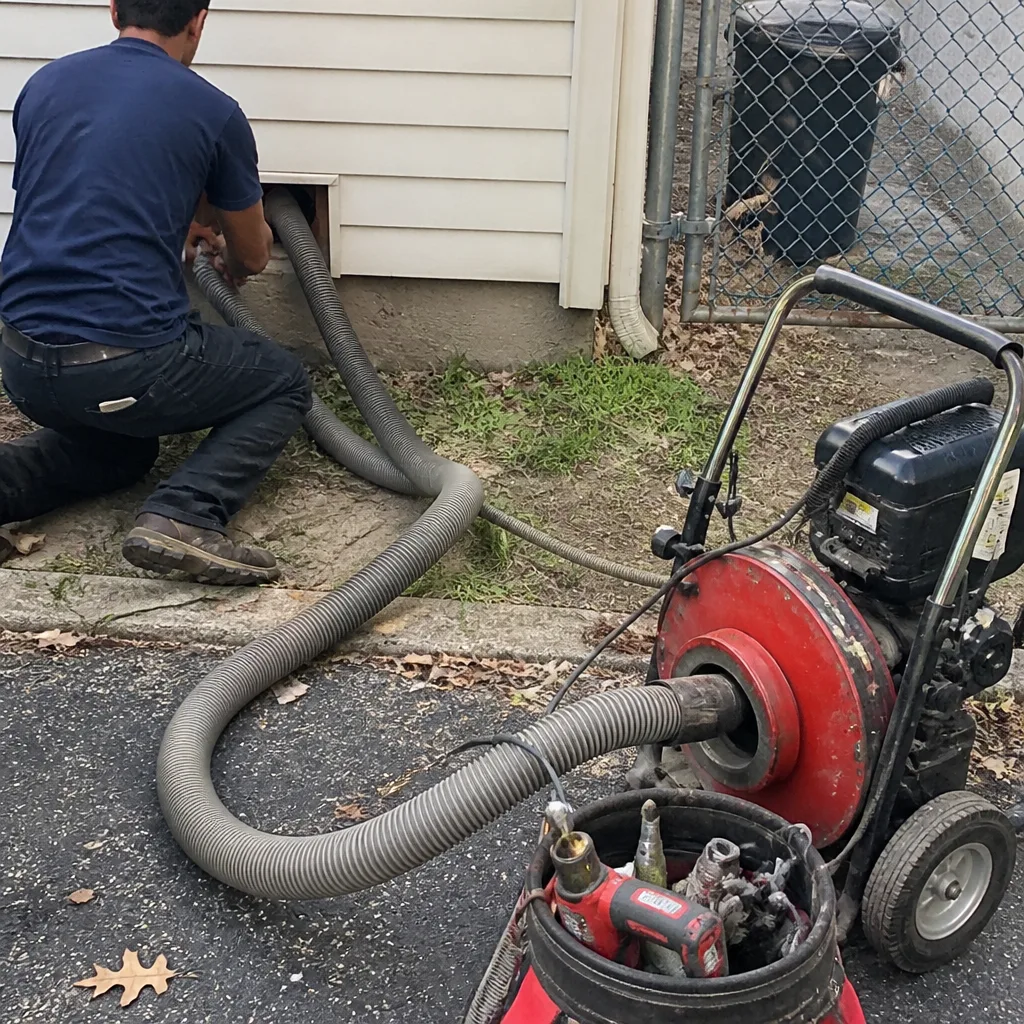
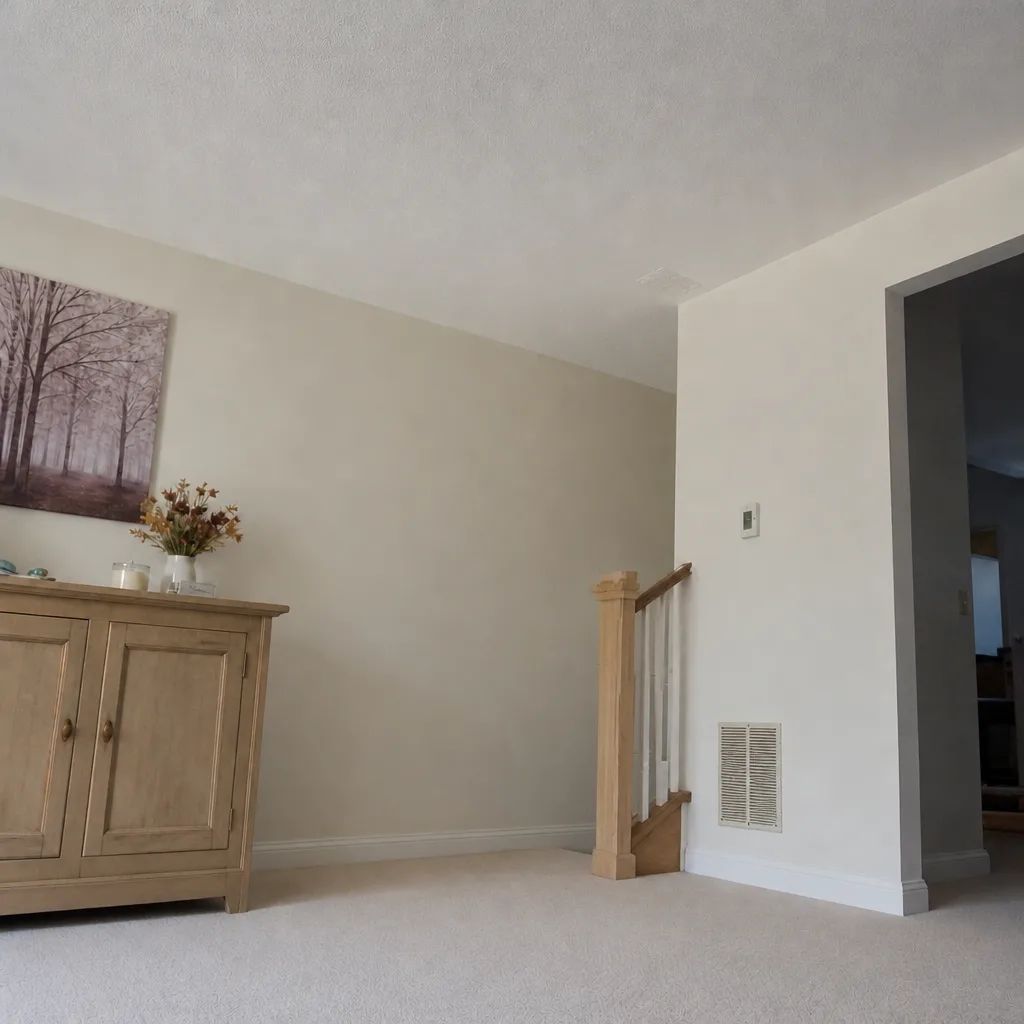
Ask for before-and-after photos of your own ducts – not stock photos. Any honest operator will provide them. We document the system before and after, including the plenum and trunk, so you can see what changed. If a company can’t show you photos of your system, that’s the answer to the question. Call (877) 759-0546 for an exact quote – estimates are free.
Most homes don’t need annual cleaning. A reasonable interval is every few years for a typical home, sooner if you’ve had renovations, a new HVAC install, water damage, pets, or allergy concerns in the household. In New Dorp’s humid summers, homes with duct runs in unconditioned attics benefit from an inspection more often to catch wet liners early. Call (877) 759-0546 for an exact quote – estimates are free.
Usually not on its own. Uneven rooms in New Dorp are more often a supply-side restriction – a kinked flex run, a closed damper, a disconnected collar – or a return-side problem. Cleaning doesn’t restore airflow to a crushed duct. The fix is repair and sealing, then cleaning. It’s worth having the system scoped before you spend on a cleaning that won’t solve the actual issue.
Treat it as a moisture problem before a cleaning problem. Visible mold means there’s a water source feeding it, and cleaning without finding that source means it grows back. Have the system scoped, fix the moisture, then clean and sanitize. If the growth is extensive or you’re unsure, a licensed remediation contractor should assess it before any duct work. Call (877) 759-0546 for an exact quote – estimates are free.
The Bottom Line
Airflow, odor, dust, and uneven rooms in New Dorp almost always trace to a mechanical cause – a kinked flex run, a collapsed liner, a leaking return, a wet liner segment – and the fix depends on getting the cause right. Cleaning solves debris, not restriction. Repair and sealing solves restriction, not debris. Moisture has to be found before either one. Check the filters, check both sides of the system with a tissue, look at the visible ductwork in the attic, and if the problem persists, get a scope before you get a cleaning. Our technicians have up to 15 years of experience with the full pathway, and we bring professional-grade Rotobrush, Nikro, and Abatement Technologies equipment to every job so what we find stays found. Call (877) 759-0546 for a free estimate. We answer 24/7. Fast dispatch from 7am to 7pm, Sunday through Friday.
Written by the team at Air Duct Cleaning New Dorp.