
Last updated November 24, 2026
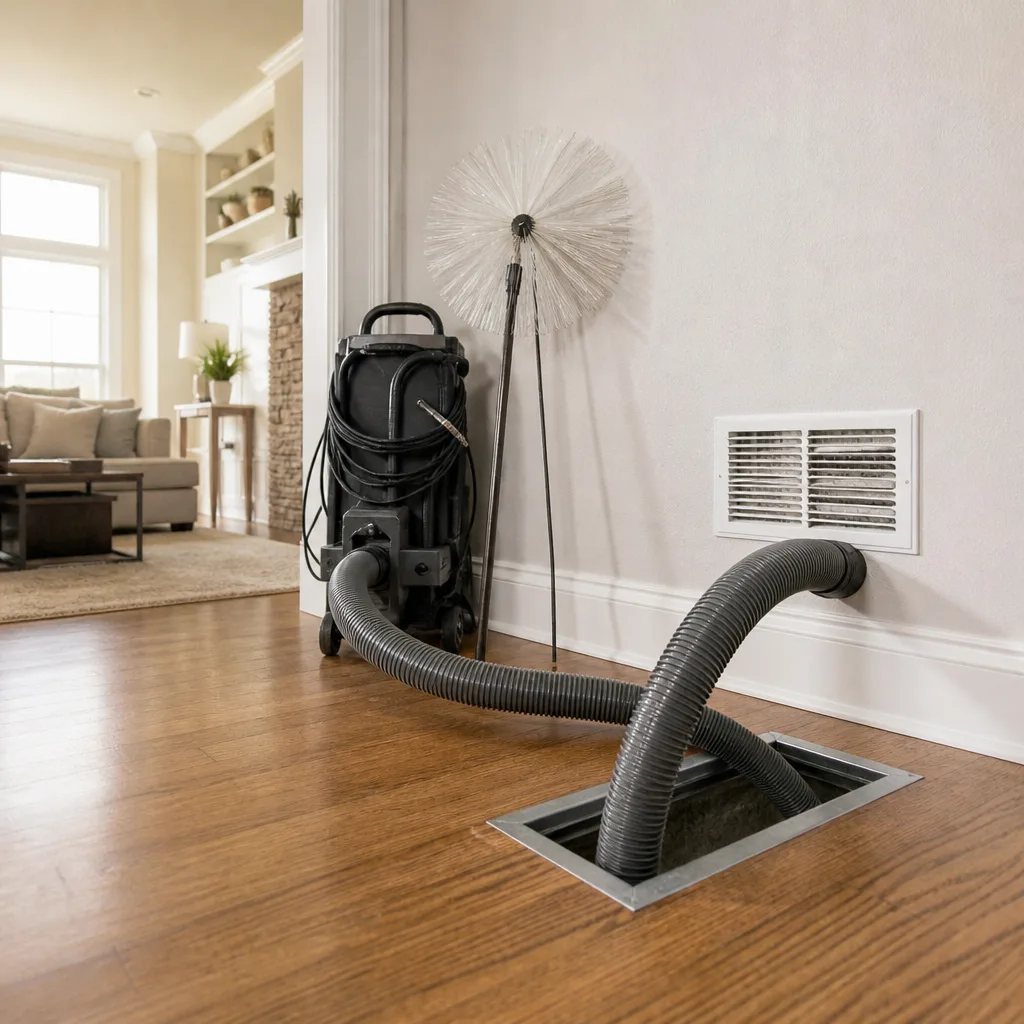 Whole-home duct cleaning
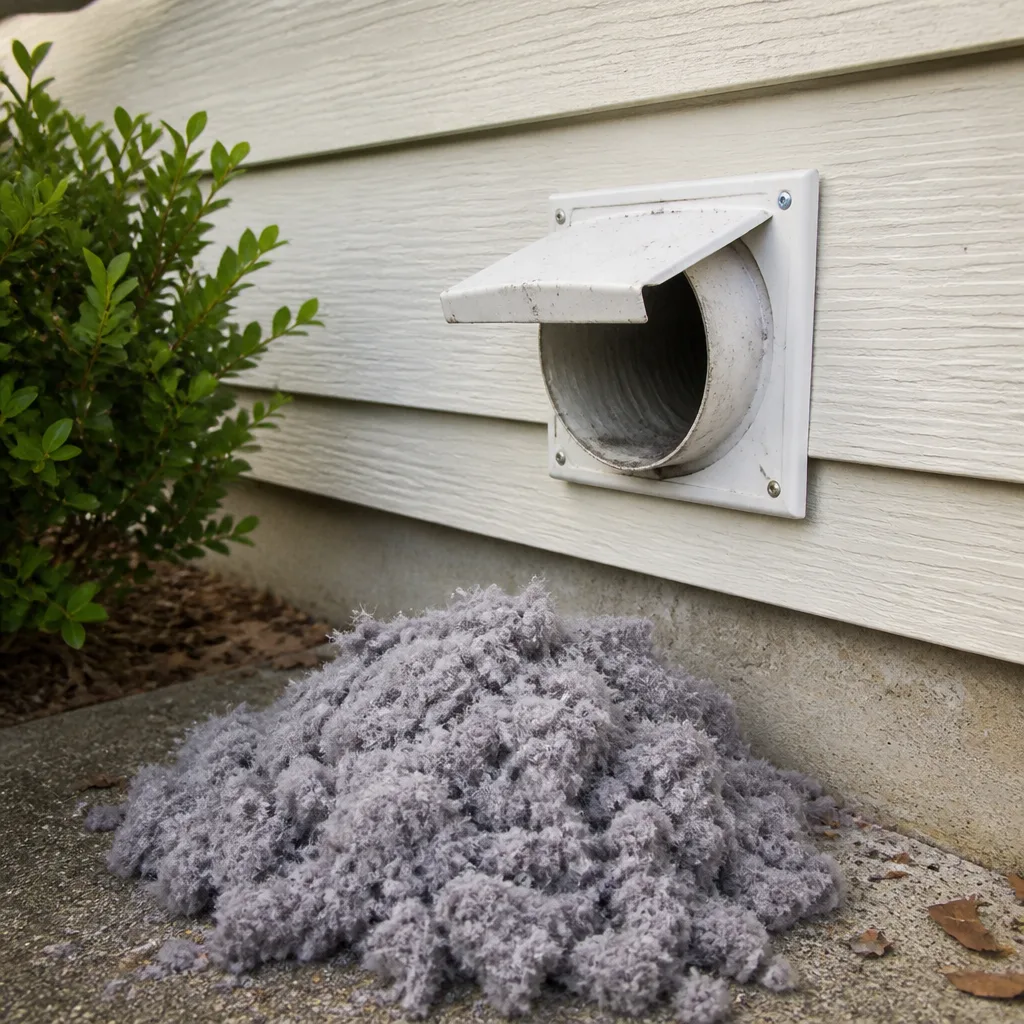 Dryer vent cleaning
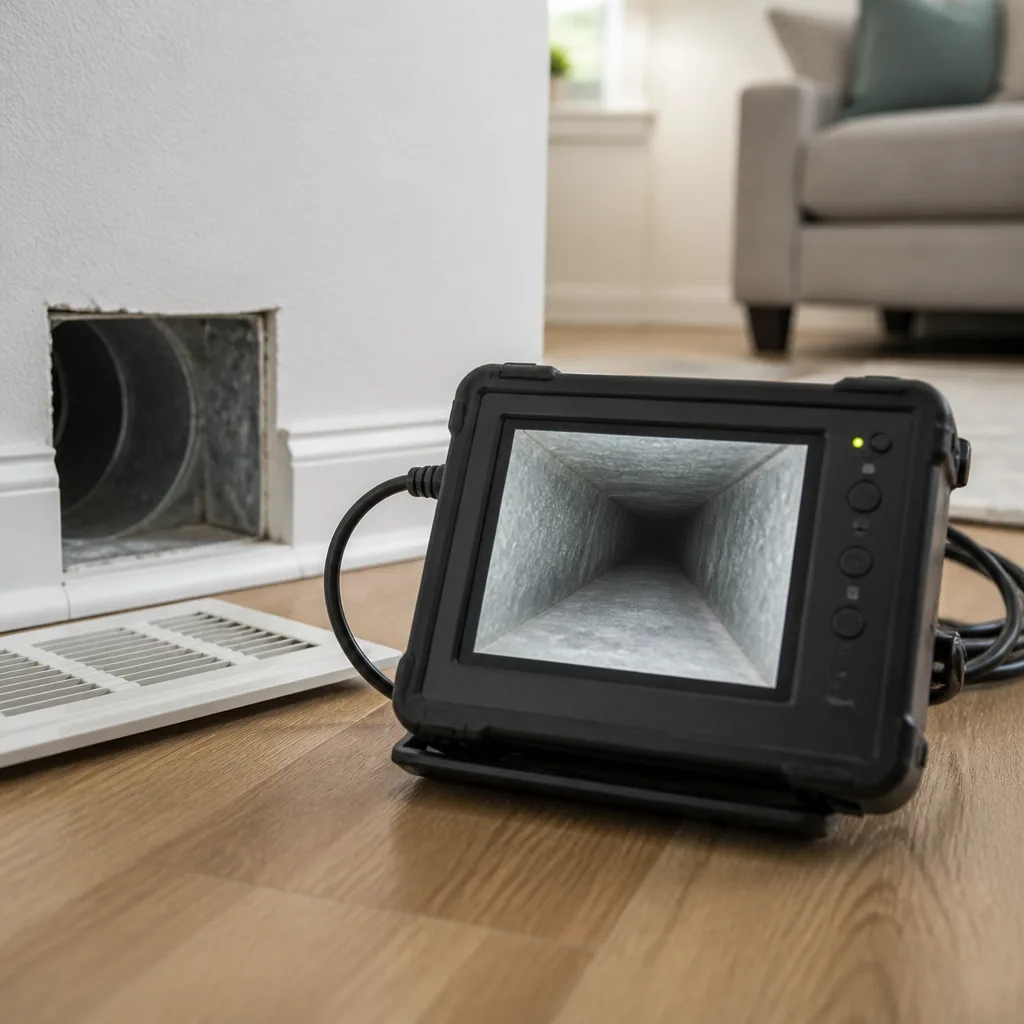 Camera inspection
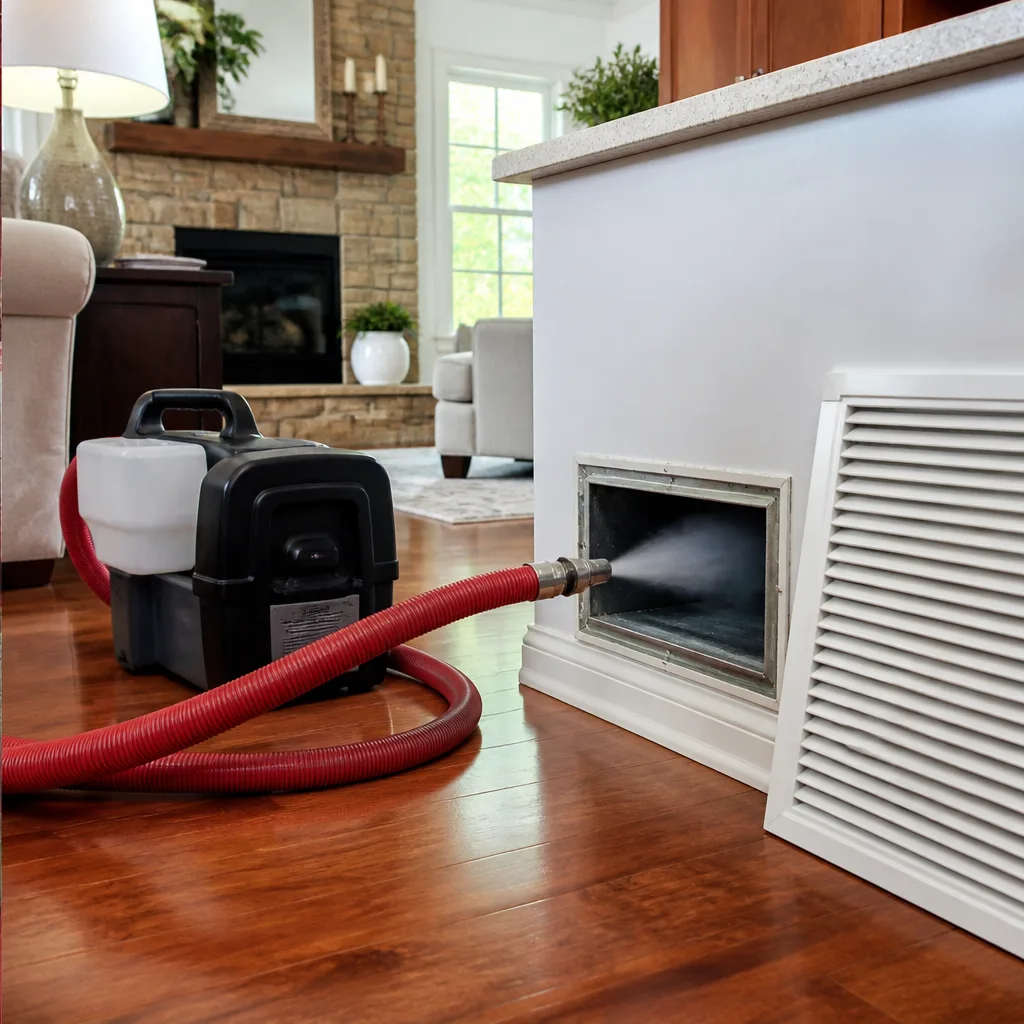 Sanitizing & deodorizing
Whole-system duct and dryer vent check with before-and-after photos - you see exactly what came out of your vents
That "$99 whole-house special" is a bait ad - the real number appears once they are in your hallway, or the "clean" is a shop-vac at the register. We photograph the inside of your ducts before and after instead.
Air Duct Cleaning Permits, Codes & Inspections in New Dorp, NY: What You Need to Know
Most homeowners in New Dorp assume their duct cleaning appointment sits far outside the reach of any building code. The cleaning itself usually does. But the moment a technician seals a disconnected trunk line with mastic, replaces a crushed flex duct section, or cuts into a coil access panel to reach the plenum, the job has crossed from maintenance into mechanical work. That distinction follows the paperwork. It can touch a homeowner’s insurance claim and it can surface again at resale disclosure. This guide walks through where the regulatory lines actually fall in New Dorp, what New York State’s mechanical code covers, and what records are worth keeping.
Quick Answer
Air duct cleaning on its own rarely requires a permit in New Dorp, because it’s classified as maintenance rather than mechanical work. Duct sealing with mastic, component replacement, HVAC modifications, and some sanitizing applications can cross into work governed by the New York State Uniform Fire Prevention and Building Code, and certain jobs in one- and two-family homes fall under New York City Department of Buildings jurisdiction that applies to Staten Island. Documentation of what was done, what was used, and by whom is the homeowner’s best protection.
Styles & brands we work with
- Whole-home duct cleaning
- Dryer vent cleaning
- Camera inspection
- Sanitizing & deodorizing
Table of Contents
- What Counts as Mechanical Work vs. Routine Maintenance
- New Dorp and the NYC / NYS Jurisdiction Overlap
- Duct Sealing and Repair: When a Permit Applies
- Sanitizing Agents and Documented Application Records
- How Unpermitted Duct Modifications Affect Homeowner’s Insurance
- What an Inspection Actually Covers
- Documentation to Keep After Any Duct Repair
- Choosing a Duct Specialist Who Understands the Code
What Counts as Mechanical Work vs. Routine Maintenance
The line between cleaning and mechanical work runs through the phrase “disturbing the system.” Removing debris from inside a duct with negative-pressure equipment and a rotary brush doesn’t change the system’s configuration. Cutting, extending, disconnecting, reconnecting, or resealing a component does. That’s the dividing line most contractors and most homeowners miss.
Under the New York State Uniform Fire Prevention and Building Code, mechanical work is generally defined by modification of the system rather than by contact with it. A technician brushing the inside of a supply run is doing maintenance. The same technician cutting out a crushed flex duct and installing a new one is performing mechanical work. The distinction drives permit requirements, inspection thresholds, and reporting.
Here’s the practical split we see in the field:
- Routine maintenance. Rotary-contact cleaning of duct interiors, negative-pressure containment, register and grille cleaning, dryer vent clearing, and visual inspection of accessible duct runs. No permit is normally required.
- Mechanical work. Replacing or installing rigid or flex duct sections, reconnecting a disconnected trunk line, sealing with mastic in a way that changes system configuration, cutting into a plenum or coil access panel, adding or removing supply or return runs, and replacing the air handler or a major HVAC component.
Cleaning that uncovers a disconnected duct is the standard example. The cleaning is maintenance. The reconnect that follows is mechanical work, and it may require a permit from the authority having jurisdiction over the property. If your appointment involves any of the second category, ask the contractor up front how they handle permitting in New Dorp.
New Dorp and the NYC / NYS Jurisdiction Overlap
Staten Island sits inside New York City, but the regulatory picture isn’t as unified as homeowners assume. One- and two-family homes often fall under the New York City Department of Buildings for construction permitting, while the New York State Uniform Code sets the underlying mechanical standards that NYC’s own construction codes adopt and adapt. For a single-family home in New Dorp, this means the Department of Buildings is usually the authority having jurisdiction over permitted mechanical work, and the NYS code is the technical floor the work is measured against.
In practice, that overlap changes a few things:
- Permit applications for duct modifications in a one- or two-family home in New Dorp generally go to the NYC Department of Buildings, not a separate Staten Island office.
- The technical standard applied is New York City’s construction code, which is built on top of the NYS Uniform Code’s mechanical provisions.
- Small jobs often sit below the DOB’s threshold for filing, but “often” isn’t “always.” The specific scope decides it.
- Larger properties, mixed-use buildings, and multi-family work can run into additional layers.
We’re not the authority on your property. The Department of Buildings is. What we can tell you is that the split between “routine maintenance” and “permitting territory” is real in New Dorp, and it’s worth a two-minute conversation with your contractor before work starts. If they can’t tell you whether the job needs a DOB filing, that’s information you need.
Duct Sealing and Repair: When a Permit Applies
Duct sealing is where the regulatory picture gets most complicated, and it’s also the service most homeowners need without realizing it. A disconnected trunk line, a gap at the plenum, or deteriorated flex duct in a crawl space can dump a large share of your conditioned air into a wall cavity or attic. Cleaning without sealing leaves the underlying problem in place.
When sealing is done with mastic or foil tape to close small gaps on existing intact ductwork, that’s generally maintenance. When sealing happens as part of replacing or adding duct sections, or as part of a mechanical change that alters airflow or system design, the work crosses into mechanical territory. The permit question depends on scope.
In our experience, the jobs that most often raise the question in New Dorp are these:
- Reconnecting a fully disconnected trunk line. If the duct is physically separated from the plenum or a branch takeoff, reconnecting it is a repair to the mechanical system.
- Replacing a flex duct run. Swapping out a crushed or torn section is component replacement, not cleaning.
- Cutting new access openings. Adding an access panel to reach a hidden coil or plenum can count as modification.
- Resizing or rerouting supply runs. Any change to system layout is clearly mechanical work.
- Replacing the air handler or a coil. This is full mechanical work and typically requires permitting.
Sealing done as part of our air duct cleaning appointments is scoped per job. When a scope crosses into permitting territory, we flag it before work starts so you know what needs a filing. The alternative is finding out later, and that’s a worse conversation.
Sanitizing Agents and Documented Application Records
Sanitizing after a duct cleaning is common, and the terminology matters. Cleaning removes debris. Sanitizing applies an EPA-registered antimicrobial agent to surfaces inside the ductwork. The two are separate services, and the sanitizer used should be identifiable by name, EPA registration number, and application method.
For homeowners with health-sensitive occupants, this documentation becomes more than a formality. Someone in the household with asthma, allergies, immune compromise, or a chemical sensitivity needs to know exactly what was sprayed inside the ducts they breathe through. “We sanitize” is not an answer. The product name, the EPA registration, and the dilution rate are.
What any sanitizing service should document and provide to you:
- The name of the sanitizing product and its EPA registration number.
- The dilution rate and quantity applied.
- The application method (fogging, spraying, or another technique).
- The date, time, and the technician’s name or credential on the record.
- Any dwell time or ventilation guidance before occupants return.
We use Honeywell and Aprilaire-compatible solutions because they’re widely specified in air quality work and have clear product data sheets. That’s a practical reason, not a regulatory one. Any product applied inside a home should come with a paper trail, and a health-sensitive household should ask for it before the appointment, not after. The records belong in your file for as long as you own the home.
How Unpermitted Duct Modifications Affect Homeowner’s Insurance
Homeowner’s insurance rarely asks about duct cleaning. Insurance does ask about unpermitted work when a claim comes in, especially after a fire, a moisture intrusion, or an indoor air quality complaint. If the duct system was modified without a permit or inspection and the modification can be tied to the loss, the claim can get complicated.
The mechanism is straightforward. Standard homeowner’s policies exclude or limit coverage for losses related to faulty workmanship, unpermitted construction, or code violations that contributed to the damage. If a duct repair that was never permitted later contributes to a moisture problem in a wall cavity, or if a resealed plenum connection fails and feeds a fire, the insurer has a legitimate question about whether the work was done to code. The answer needs a paper trail.
Three scenarios come up most often:
- Moisture damage. Poorly sealed ductwork in a humid space can condense moisture and feed mold in a wall cavity. If the sealing was unpermitted and unrecorded, the insurer may push back on coverage.
- Fire. Dryer vents and duct components are part of the system. Unpermitted modification of a dryer vent run is a known fire-risk contributor, and an inspector will look at it.
- Indoor air quality claims. A sanitizing application with no documentation of what was used is difficult to defend if an occupant later attributes a health problem to it.
None of this means you need a permit to clean ducts. It means the paperwork behind any repair or modification matters more than most homeowners expect. If the scope crosses into mechanical work, ask whether a permit is required and whether the work will be inspected. If your contractor won’t discuss it, that’s an answer too.
What an Inspection Actually Covers
An inspection of duct-related work, when one is required, is not a cleaning verification. It’s a check that the mechanical work was done to code. The inspector looks at how the system was assembled, not how shiny it is inside. Homeowners sometimes expect an inspector to confirm the ducts are clean. That’s not what they do.
Here’s what an inspection that follows permitted duct or HVAC work typically covers:
- Support and connections. Duct runs must be supported at code intervals and connected securely to plenums and takeoffs.
- Materials. Duct materials and sealants used must meet the code’s classification for the application.
- Sealing integrity. Mastic or tape sealing at joints, plenums, and penetrations.
- Clearances. Duct proximity to heat sources, combustion appliances, and structural members.
- Termination. Dryer vents and exhaust ducts terminating outside the building envelope, not in an attic or crawl space.
- Access. Access panels where required for inspection and maintenance of coils and plenums.
Cleaning verification is a separate thing entirely, and no building inspector performs it. If you want proof the ducts were actually cleaned, ask for before-and-after photos of your own system. A written scope and photo record is the cleaning equivalent of an inspection sign-off, and it’s the documentation an insurer or a future buyer will actually look at.
Our HVAC cleaning work is scoped so that anything crossing into permitted modification is identified before we start, not discovered mid-appointment. That’s the point of an inspection record: it captures what was done, whether or not anyone reads it later.
Documentation to Keep After Any Duct Repair
The single most useful thing you can do after a duct repair or sealing job is keep a file. Not a shoebox. A folder you can hand to an insurance adjuster, a home inspector, or a buyer. The reason is simple: the burden of proof when something goes wrong is on the homeowner, and proof is paperwork.
What that file should contain:
- The written estimate or scope of work, itemizing what was cleaned and what was repaired or sealed.
- Before-and-after photographs of the ductwork, showing the interior before cleaning and after sealing or repair.
- Any permit application number or inspection sign-off if a permit was required for the work.
- The contractor’s business name and the name of the technician who performed the work.
- Product data sheets for any sanitizing agent or sealant applied, showing product name and EPA registration where relevant.
- The date of service and the address, even if the work was performed for a prior owner.
- Any warranty or guarantee terms in writing.
We provide a written flat price per system agreed before work starts, along with before-and-after photos of your own ducts. That’s the standard any homeowner should expect from anyone doing this work in New Dorp. If a contractor won’t put the scope in writing until after they’ve seen the ducts, that’s a scope they haven’t firmed up. A written scope before the appointment is the one document that protects you from the low-coupon, high-invoice pattern that gives this trade its reputation.
Choosing a Duct Specialist Who Understands the Code
Most duct cleaning contractors don’t want to talk about permits. That’s the wrong instinct. The right contractor will tell you within two minutes whether your scope is maintenance, mechanical work, or a gray area, and will recommend you check with the Department of Buildings when they aren’t sure. That’s a signal of competence, not caution.
What to look for in the contractor you hire:
- Equipment you can verify. Rotary-contact cleaning systems and negative-pressure containment are the baseline. Consumer-grade vacuums don’t meet the standard. We use Rotobrush rotary-contact equipment and Nikro HEPA vacuum technology, and we deploy Abatement Technologies filtration units on-site during cleaning to capture particulates at the source.
- A written scope before the appointment. Flat price per system, itemized for what’s cleaned, what’s repaired, and what’s excluded.
- Willingness to tell you when a permit applies. A contractor who can name the Department of Buildings and describe the threshold is a contractor who understands the work.
- Documented sanitizing. Product names, EPA registration, and application records, not a vague claim that sanitizing “was included.”
- Full-scope capability. Cleaning, sealing, repair, sanitizing, and dryer vent work under one scope. Coordinating three contractors for one system is a code-compliance risk, because nobody owns the whole picture.
Dryer vents are part of this picture too. A dryer vent that terminates in a crawl space or was modified without regard to code is a fire risk, and it’s the kind of thing an insurer will flag after a loss. Our dryer vent cleaning service covers the full run, including termination, so nothing gets missed between cleaning and code compliance. If a modification is needed, we say so.
Common Mistakes to Avoid
- Assuming cleaning and modification are the same thing. They aren’t. Cleaning is maintenance; cutting, replacing, or modifying ductwork is mechanical work. Confusing the two is the source of most permit problems in New Dorp.
- Not asking about permits before the appointment. By the time the technician is on-site with a saw in hand, the permit conversation is too late. Ask the contractor on the phone whether your scope could require a filing.
- Letting a contractor sanitize without a paper trail. Any EPA-registered sanitizer applied inside your home needs product name, registration, and application record. Health-sensitive households should ask before the appointment.
- Hiring an unpermitted duct modification as a “cleaning add-on.” A resealed plenum or reconnected trunk line isn’t a cleaning upsell. It’s a mechanical repair, and its permitting status affects your insurer’s view of any future claim.
- Not keeping records of what was done. A folder with the scope, the photos, and any product data sheets takes five minutes to assemble and protects you for the life of the home. Not having it is the wrong default.
- Hiring on price alone. A low advertised number that becomes a much larger invoice once the technician is on-site is the classic failure pattern in this trade. Flat price per system agreed in writing before work starts is the standard that protects you.
- Overlooking the dryer vent as part of the system. Dryer vents are part of the air pathway and can be a fire risk if improperly routed. A modified vent run with no permit or inspection record is a red flag if a claim ever comes up.
See the difference
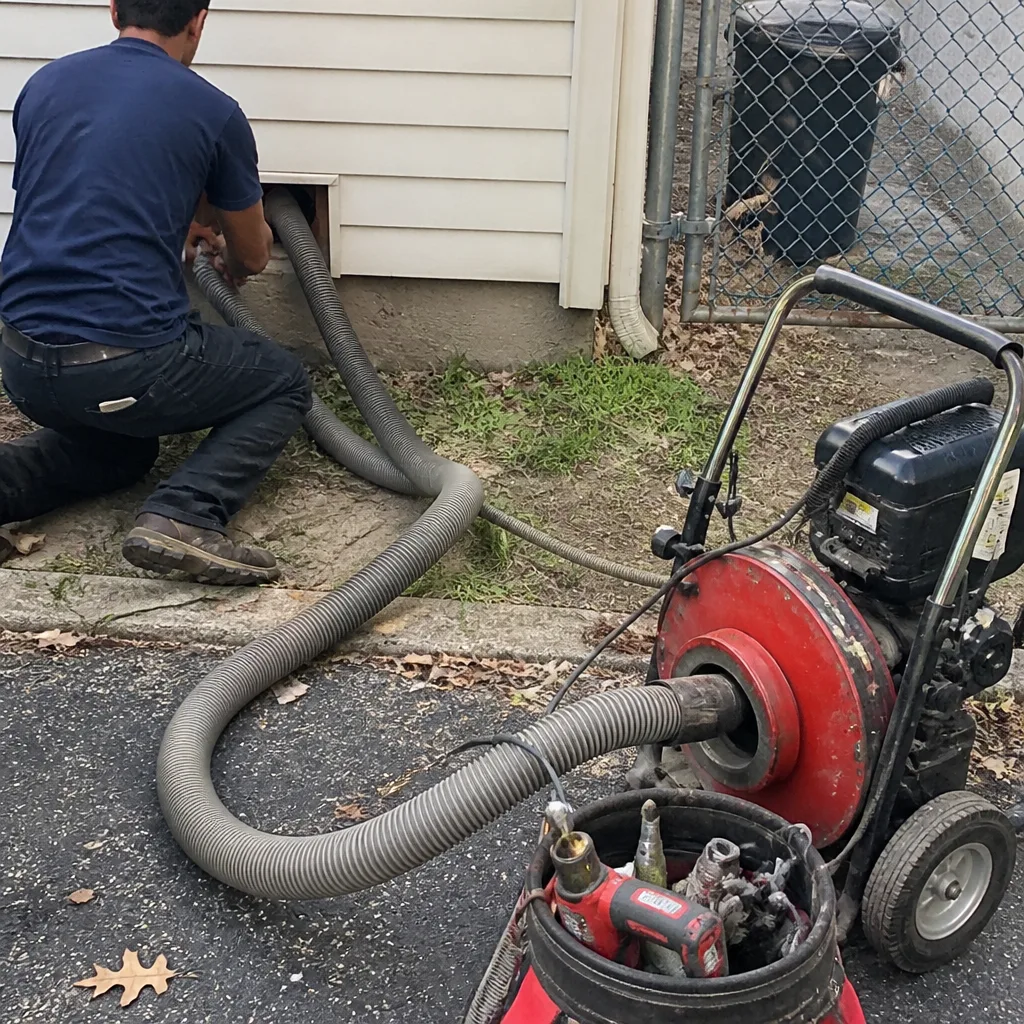 Before
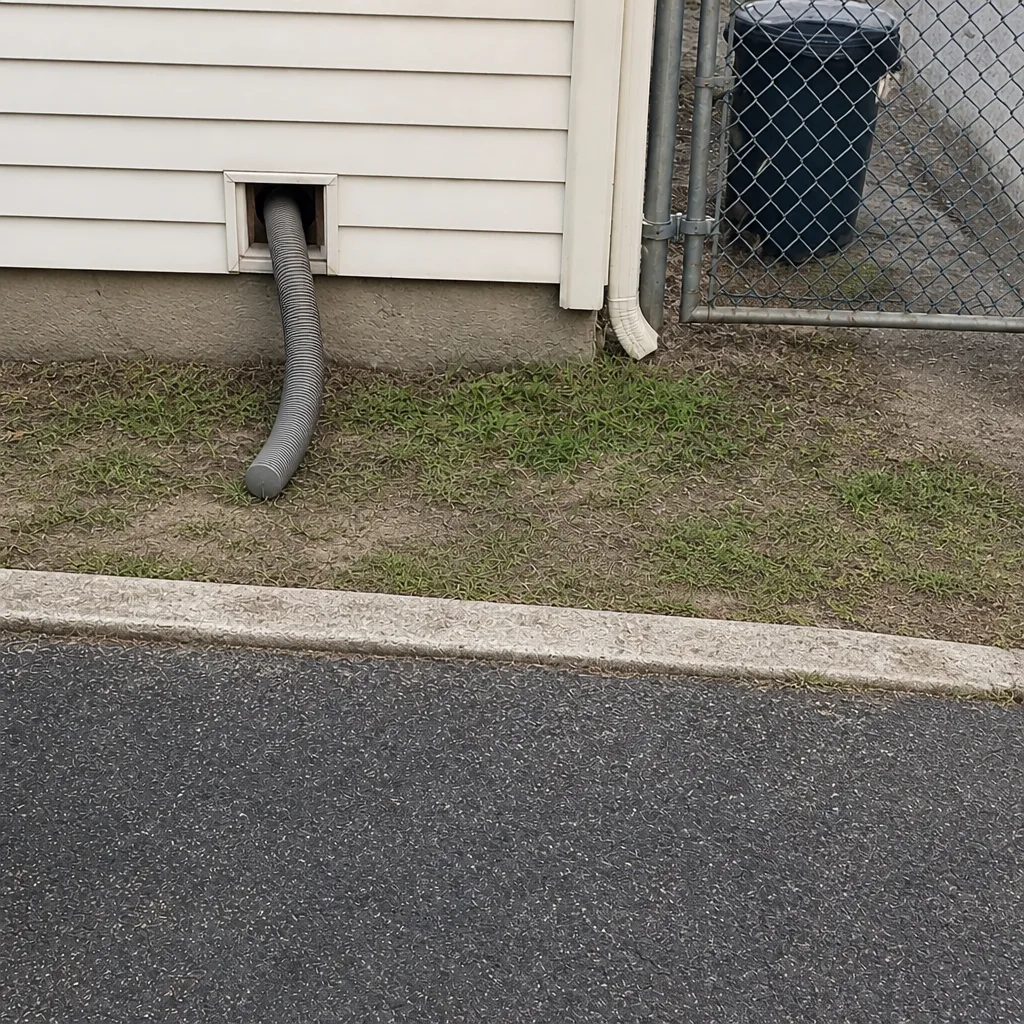 After
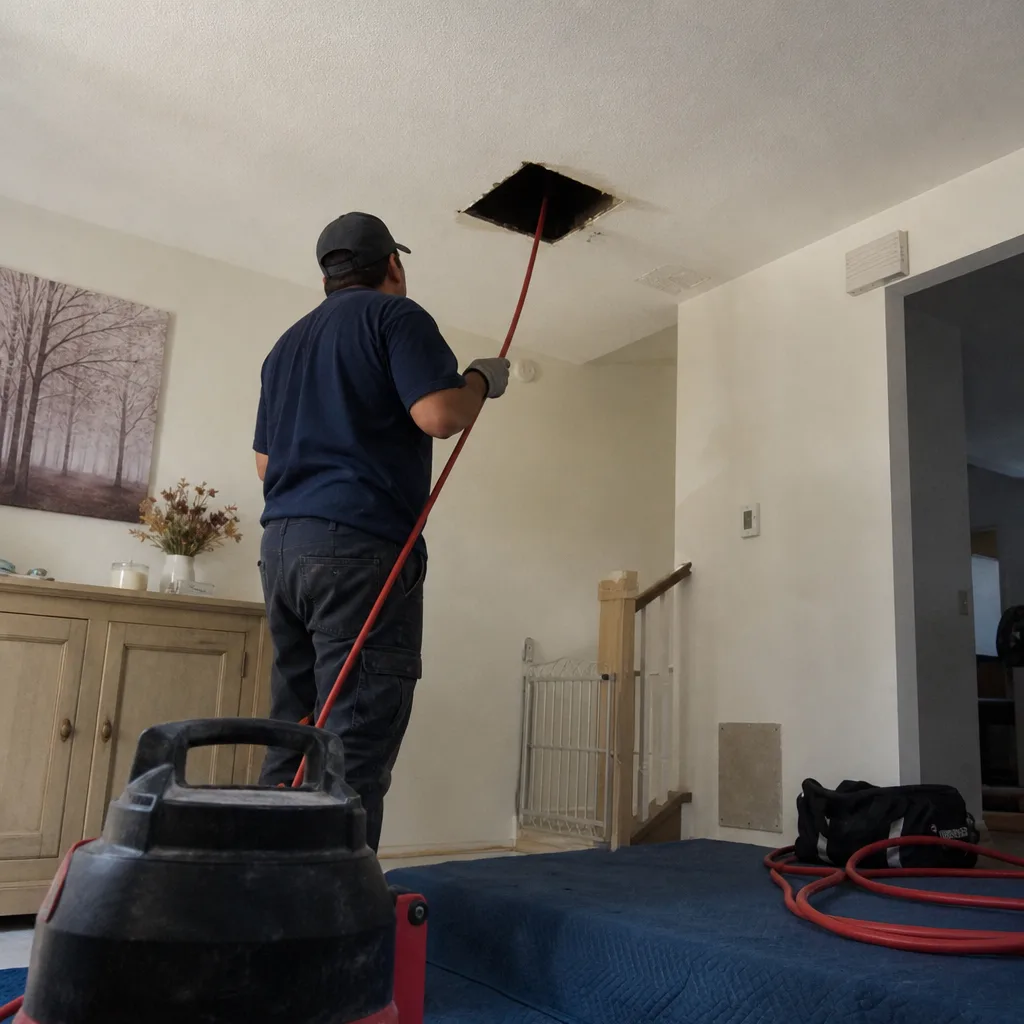 Before
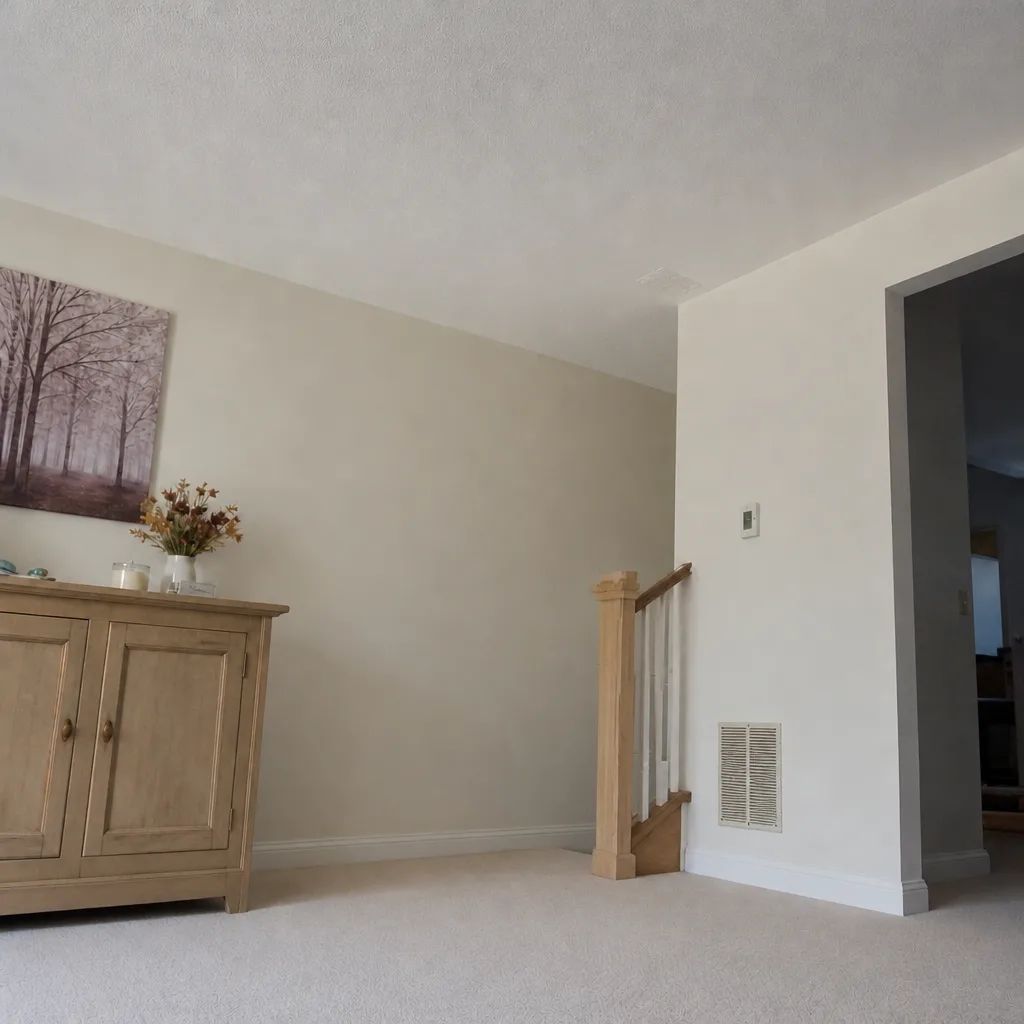 After
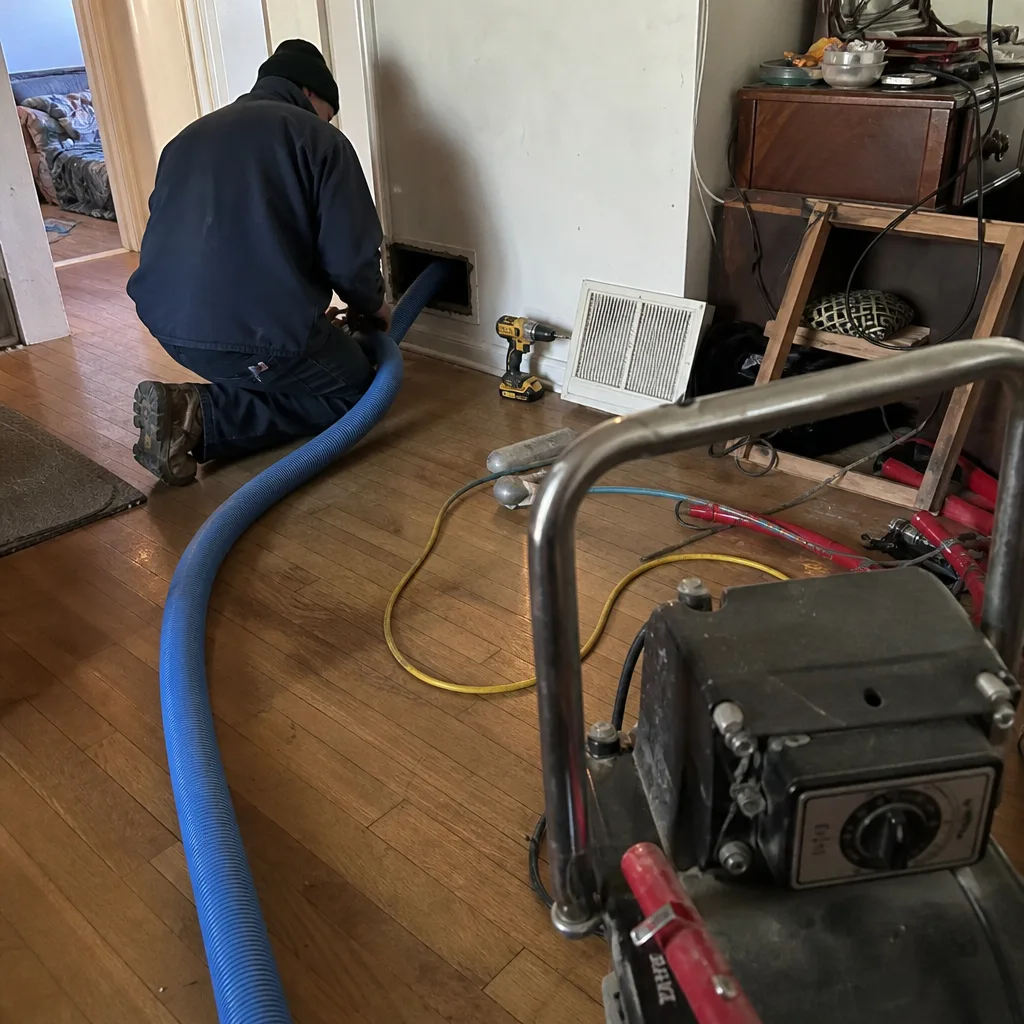 Before
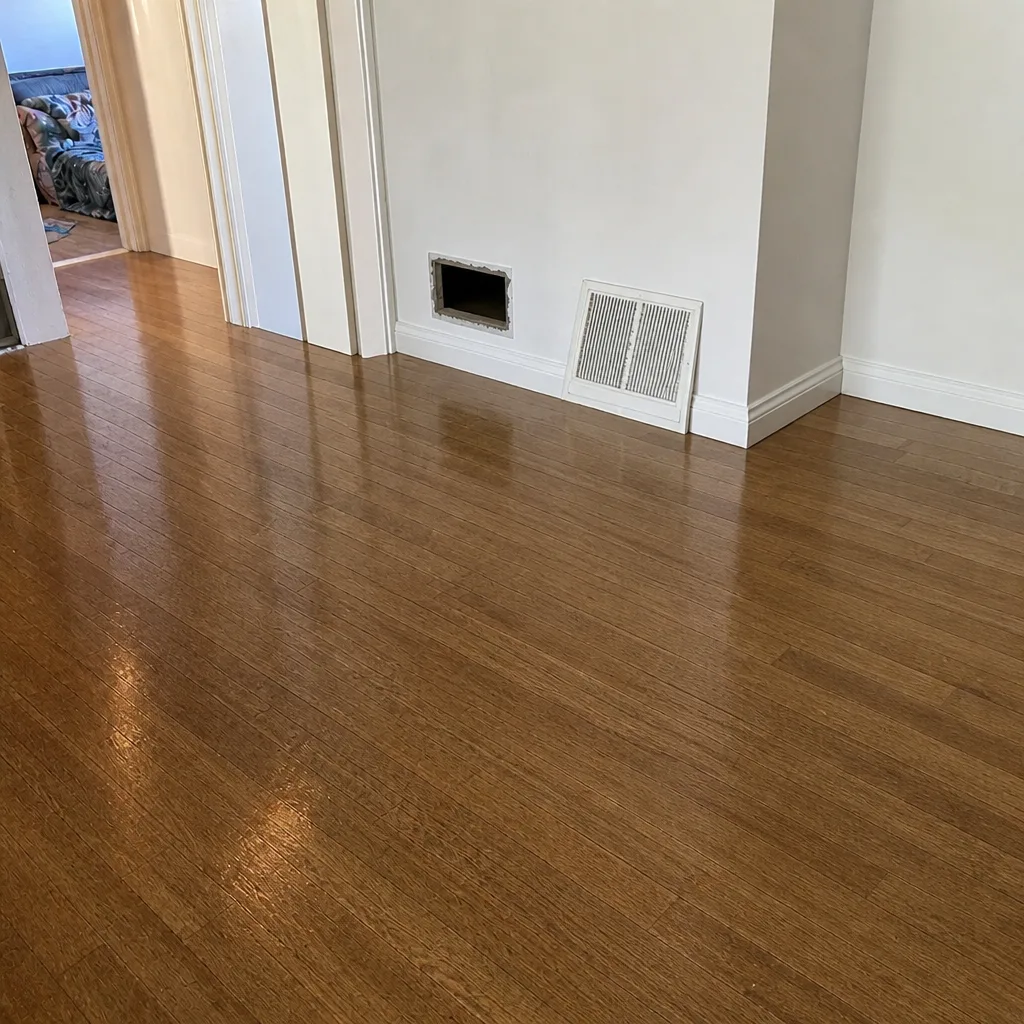 After
When to Call a Professional
Call a professional when a duct cleaning appointment uncovers a disconnected trunk line, a crushed flex run, or a plenum gap that’s clearly been leaking. Call when you’re buying a home in New Dorp and want the duct system documented before closing. Call when a recent renovation, a new HVAC install, or years of accumulated debris have you wondering what’s actually in the ducts. Call when a health-sensitive occupant needs sanitizing with documented product information, not a verbal “we sanitize.” Call when an insurer or a home inspector asks what was done to the duct system and you don’t have the answer in writing. Air Duct Cleaning New Dorp offers free estimates in New Dorp. Call (877) 759-0546. We answer 24/7. Fast dispatch from 7am to 7pm, Sunday through Friday. The estimate is free, the price is set per job by the written estimate, and we’ll flag before work starts whether a scope crosses into permitted territory.
Frequently Asked Questions
No. The cleaning itself is classified as maintenance under the New York State Uniform Code and generally does not require a permit in New Dorp. If the same appointment includes duct sealing, component replacement, or modification of the HVAC system, that work may cross into mechanical territory and could require a filing with the NYC Department of Buildings. The scope decides it, not the appointment type. Call (877) 759-0546 for a free estimate, and we’ll tell you plainly whether a permit applies before any work starts.
Duct sealing counts as mechanical work when it’s part of replacing, adding, or reconfiguring a component rather than closing a small gap on existing intact ductwork. Sealing with mastic on a plenum joint is typically maintenance. Reconnecting a disconnected trunk line, replacing a flex run, or cutting a new access panel is mechanical work, and the permit question follows from that. Call (877) 759-0546 and we’ll walk through your specific scope.
The New York City Department of Buildings is usually the authority having jurisdiction over permitted mechanical work in one- and two-family homes on Staten Island, with the New York State Uniform Code setting the technical standard the work is measured against. New Dorp’s single-family homes typically file with the DOB when a permit is required. Call (877) 759-0546 if you’re unsure whether your scope needs a filing. Estimates are free.
Honest whole-system pricing in New Dorp is set per job by the written estimate, not by a per-vent number or a teaser coupon. A low advertised figure that grows on-site is the pattern that gives this trade its reputation. We price flat per system, agreed before work starts, with before-and-after photos of your own ducts included. Call (877) 759-0546 for a free estimate; the written quote sets the final price.
Any EPA-registered sanitizing agent applied inside a home should be documented, and for households with health-sensitive occupants this is essential rather than optional. You should receive the product name, EPA registration number, dilution rate, application method, and date. Honeywell and Aprilaire-compatible solutions come with clear product data sheets, which is one reason we use them. Call (877) 759-0546 for a free estimate on a sanitizing scope. The records are yours to keep.
Ask for before-and-after photos of your own ductwork, the written scope of work, the technician’s name, and product data sheets for anything sprayed or applied. If a permit was required, keep the application number or inspection sign-off in the same folder. That file is what an insurer or a future buyer will ask for. Call (877) 759-0546 for a free estimate; we include the photo record and written scope as standard.
Yes, in specific circumstances. If a claim for fire, moisture damage, or an indoor air quality incident involves duct work that was modified without a permit or inspection and the modification can be tied to the loss, the insurer will examine the paperwork. Standard homeowner’s policies exclude or limit coverage for faulty or unpermitted work that contributes to damage. Keeping records of any repair or sealing protects your position. Call (877) 759-0546 for a free estimate and we’ll explain the documentation we provide.
The Bottom Line
Air duct cleaning in New Dorp is maintenance, and maintenance rarely triggers a permit. The work that often accompanies it does. Duct sealing that reconfigures the system, component replacement, HVAC modification, and sanitizing applications with health-sensitive occupants all move into territory where the New York State Uniform Code and the NYC Department of Buildings matter. The homeowner’s protection is three things: a written scope before work starts, a contractor willing to say when a permit applies, and a folder of documentation you keep afterward. That folder, with the flat-price estimate, the before-and-after photos, and any product data sheets, is what an insurer or a buyer will care about. The cleaning itself is the easy part. The paperwork is what protects you when something later goes wrong.
Call (877) 759-0546 for a free estimate. We answer 24/7. Fast dispatch from 7am to 7pm, Sunday through Friday. We’re Air Duct Cleaning New Dorp, and we clean the full air pathway, ducts through plenums, with professional-grade equipment and a written scope that holds together when an insurer asks.
Written by the team at Air Duct Cleaning New Dorp.