
Last updated November 24, 2026
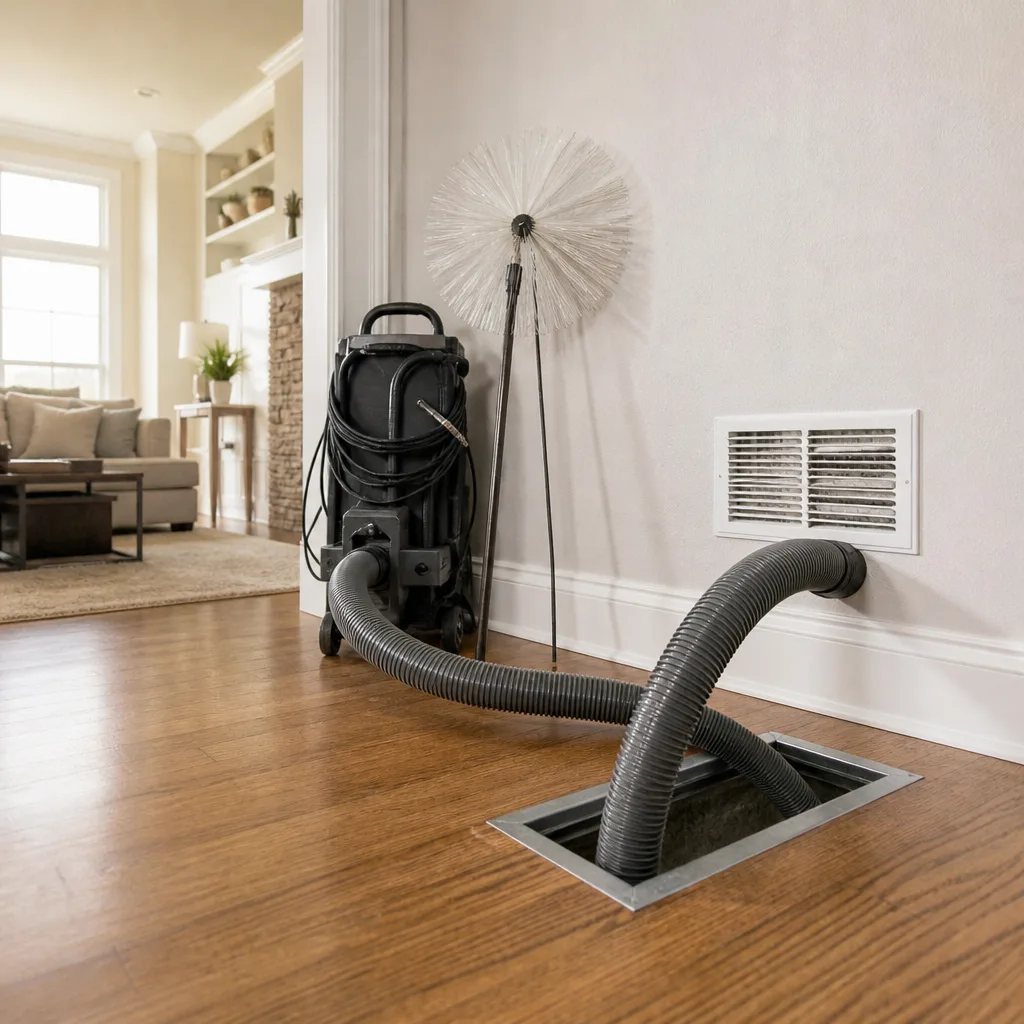 Whole-home duct cleaning
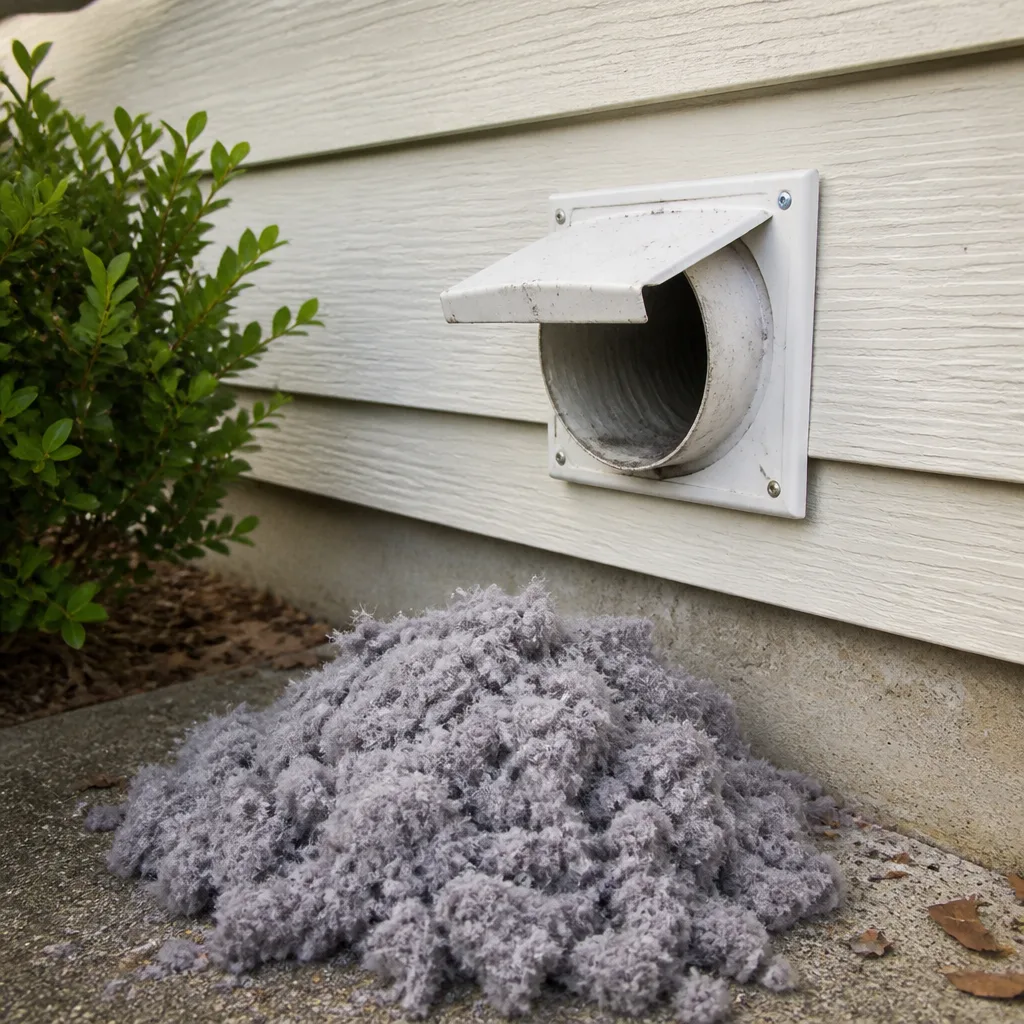 Dryer vent cleaning
 Camera inspection
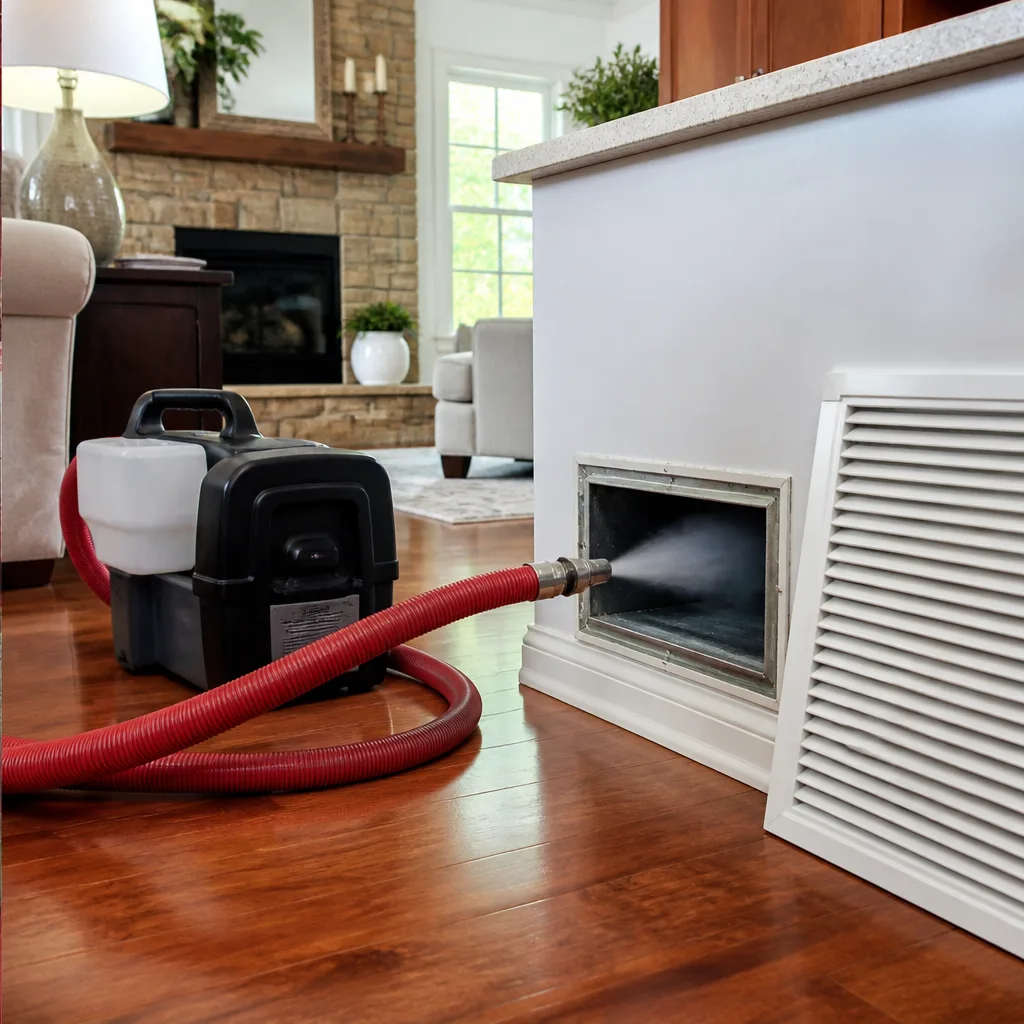 Sanitizing & deodorizing
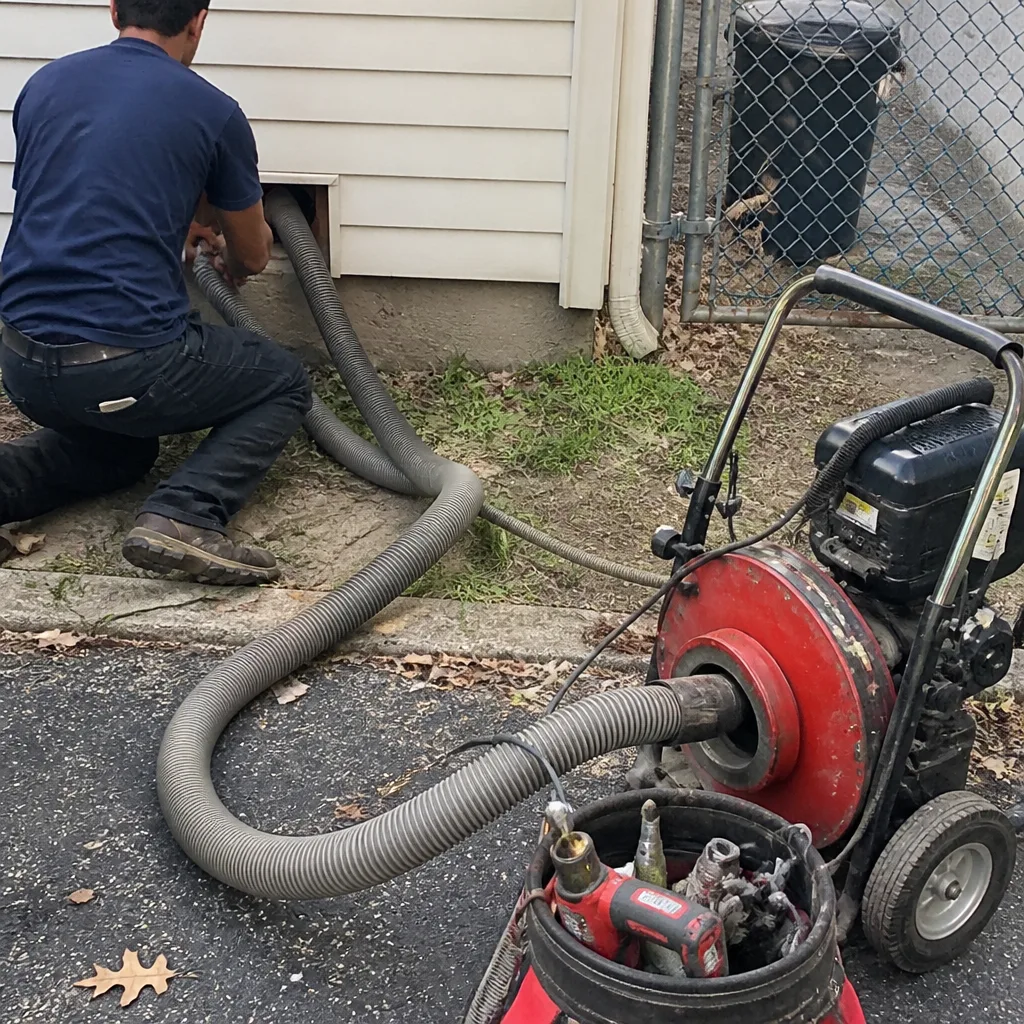
Whole-system duct and dryer vent check with before-and-after photos - you see exactly what came out of your vents
That "$99 whole-house special" is a bait ad - the real number appears once they are in your hallway, or the "clean" is a shop-vac at the register. We photograph the inside of your ducts before and after instead.
Seasonal Air Duct Cleaning Care for New Dorp: Year-Round Homeowner’s Guide
Most homeowners in New Dorp think about their ducts once, usually when the upstairs rooms stop cooling evenly or someone in the house starts sneezing in October. Here’s the part that gets missed: the moisture that creeps into a duct system during a humid July doesn’t show up as a visible problem until fall, by which point it’s had three months to establish biofilm on interior duct surfaces while the system pushed air through every room. Duct contamination here isn’t a single yearly event. It builds on a seasonal rhythm, and each season leaves a different residue behind. This guide maps that rhythm month by month, so you know what to check, when to schedule work, and how to time a single professional visit to cover the most ground.
Quick Answer
In New Dorp, air duct care works best on a seasonal schedule, not a single annual cleaning. The two highest-value times to book professional service are late spring, before the system switches to cooling, and early fall, before heating season starts, because those are the two moments when the system is most likely to have accumulated moisture, pollen, or debris that the next season will push through your living space. A full-system cleaning in either window, paired with a duct integrity check, addresses the contamination the previous season left behind and sets the system up clean for the next one.
Styles & brands we work with
- Whole-home duct cleaning
- Dryer vent cleaning
- Camera inspection
- Sanitizing & deodorizing
Table of Contents
- Why Seasonal Timing Matters More Than Frequency in New Dorp
- Spring: Pollen Load and the Pre-Cooling Season Checklist
- Summer: Humidity, Mold Pressure, and What’s Growing Inside the Ducts
- Fall: Leaf Debris, Air Intakes, and the Pre-Heating Season Checklist
- Winter: Combustion Byproducts and Sealed-Home Air Quality
- How to Time One Professional Cleaning Around Two Season Changes
- Signs Your Duct System Needs Attention in Any Season
- Common Mistakes to Avoid
Why Seasonal Timing Matters More Than Frequency in New Dorp
Duct contamination is cumulative, and what accumulates depends on which month we’re in. The same system that spends July pulling humid air through a coil that’s running cold also spends January pushing heated air through the same passageways. The debris isn’t the same in both cases, and the cleaning approach that works in one season is incomplete in the other.
Think about the physical sequence. In warm months, the coil condenses moisture out of the air, and that moisture has to go somewhere – down a drain pan, ideally, or into the duct lining if drainage is compromised. In cold months, the furnace or heat pump heats air that is drier, but combustion appliances introduce a different load. In spring, the outdoor air carries pollen and fine particulate that gets pulled in through the return. In fall, leaf debris and dust blow against exterior intakes and screens, and some of it works its way inside.
So when a homeowner in New Dorp asks how often ducts need cleaning, the honest answer is less about a fixed interval and more about which seasonal load the system has just been through. A home that ran all summer with a poorly draining coil may need service in September that a neighboring home on the same block, with a dry coil and tight ducts, doesn’t need until next spring.
What the seasonal pattern actually looks like
- Spring: Pollen and fine outdoor particulate load the return side; the system is transitioning from heating to cooling.
- Summer: Cooling coil condensation puts moisture into the air pathway; mold and biofilm pressure peaks if drainage or insulation is compromised.
- Fall: Leaf debris and wind-blown grit collect at exterior intakes; the system transitions back to heating.
- Winter: Sealed homes trap combustion byproducts and heated-air particulate; humidity management becomes the control point.
That cycle repeats every year, which is why treating duct care as an annual checkbox ignores half the problem. The system doesn’t reset. It just carries what the last season left into the next one.
Spring: Pollen Load and the Pre-Cooling Season Checklist
By April and May, the heating season is winding down, and the outdoor environment is loading the system with the finest particulate of the year. Pollen and dust from trees and street trees in New Dorp get pulled through the return, and because they’re small, they don’t all get caught at the filter – some ride through and settle on duct surfaces and on the coil face.
This is also the moment to look at the cooling side before you depend on it. The coil and drain pan have been sitting through a heating season. If condensate didn’t drain cleanly the previous summer, the evidence is usually there in spring: standing water in the pan, a rusty or scaled coil face, or visible microbial growth on the duct lining near the air handler.
Pre-cooling season checklist (April / May)
- Replace the air filter with the correct MERV rating for your system – not the highest available, unless the system is rated for it.
- Inspect the cooling coil face for dust loading and any visible growth. Cleaning the coil is part of the air pathway, not a separate job.
- Check the drain pan and condensate line for standing water, algae, or blockage before the first cooling cycle.
- Look at the return grilles and registers for dust accumulation and confirm they’re unobstructed.
- Schedule duct cleaning for late spring, before the system runs continuously in cooling mode, so the freshly cleaned system isn’t immediately reloaded from residual debris in the air handler.
- If anyone in the home has seasonal allergies, note whether symptoms track with the system running – that’s a useful diagnostic for where the load is coming from.
Spring cleaning isn’t a fresh start as much as a clearance of the winter’s deposits plus the pollen load moving in. That’s why a full-system clean in May, using rotary-contact cleaning and negative-pressure containment to pull debris out rather than redistribute it, gives a better result than a late-summer clean, when the summer humidity has already been cycling through whatever was left.
Summer: Humidity, Mold Pressure, and What’s Growing Inside the Ducts
This is the season most homeowners underrate, because the visible symptom – a musty smell or a humid feeling in some rooms – is easy to chalk up to the weather. In New Dorp’s humid summers, the cooling system is doing two jobs at once: removing heat and removing moisture. When the coil is clean and the drain pan is functioning, that moisture goes down the drain. When either is compromised, moisture stays in the air pathway.
Duct interiors in humid conditions are a favorable environment for microbial growth – not because ducts are inherently dirty, but because a condensation-wet surface plus warm, moving air plus organic dust is exactly what mold and biofilm need. Biofilm on duct surfaces isn’t visible from a register, and it isn’t something a filter catches. Once established, it keeps releasing spores into the airstream every time the system runs.
What we look for during summer evaluations is straightforward: high indoor humidity even when the AC runs continuously, condensation on duct surfaces (especially the interior of flex runs in unconditioned attic space), visible growth at the coil or drain pan, and a musty smell that’s stronger when the system first starts.
What summer cleaning does that a filter change can’t
- Removes settled debris that holds moisture against duct surfaces.
- Cleans the coil and drain pan side of the air pathway, where condensation accumulates.
- Uses HEPA-filtration negative-pressure equipment to contain what’s dislodged, rather than recirculating it through the home during cleaning.
- Allows a post-cleaning sanitizing step – with solutions compatible with systems like Aprilaire – to address surfaces that are clean but were previously wet.
Sanitizing alone, without addressing the moisture source, is temporary. The root fix is dry ducts and a functioning drain. That’s why air duct cleaning done in summer should always be paired with a real inspection of the coil, pan, and any visible duct lining, and why duct repair and sealing belongs in the toolkit rather than being treated as a separate specialty.
Fall: Leaf Debris, Air Intakes, and the Pre-Heating Season Checklist
Fall is when the previous season’s damage shows up. Ducts that stayed humid through July and August may have compromised insulation, sagging joints, or gaps at connections by September. At the same time, exterior conditions add a new load: wind-blown leaf debris, fine grit, and the general dust of a neighborhood transitioning seasons. If intake screens or exterior air path components are blocked or compromised, some of that finds its way inside.
Early fall is the best window of the year to address duct integrity. With the system about to switch into heating, you want the ducts sealed and the passageways clean before hot dry air starts moving through whatever the humid summer left behind. A leak at a joint or a gap at a register boot doesn’t just lose conditioned air – it also lets attic or crawlspace air into the living space, and that air carries whatever the summer humidity did to the duct’s surroundings.
Pre-heating season checklist (September / October)
- Inspect visible duct runs – especially flex duct in attic space – for sagging, condensation staining, or evidence of moisture exposure from summer.
- Check joints and connections for gaps, loose tape, or disconnection at register boots.
- Confirm the air filter is clean before heating season, and that the filter class matches the system (not every HVAC system handles a high-MERV filter without restricting airflow).
- Schedule duct repair and sealing for any gaps found, alongside cleaning, so the system is tight before it runs continuously.
- Schedule the full-system cleaning itself – cleaning, coil, drain pan, and visible ductwork – in the same visit, using an Abatement Technologies air-filtration unit to capture particulate on-site.
- If you have a combustion heating appliance, confirm a separate CO test is done by a qualified HVAC technician; duct cleaning and combustion testing are related but different checks.
Doing this in early fall means the heating system starts clean and the integrity issues get addressed when they’re easiest to see, before the dry indoor air of winter and closed-up house make observation harder.
Winter: Combustion Byproducts and Sealed-Home Air Quality
Winter changes the physics of the house. Windows stay shut, doors don’t get opened as often, and the indoor environment becomes a much more closed loop. The system is running heat, often continuously, and the same duct surfaces that pushed cool air all summer are now pushing warm dry air through the same passageways. If the ducts are not clean, the difference between a system that delivered filtered cool air in July and one that’s pushing heated particulate across every room in January is a lot more than temperature.
Combustion appliances – whether a furnace, boiler, or water heater – introduce a separate consideration. Modern homes in New Dorp are built and renovated to be tighter than homes were a few decades ago, and that tightness is good for energy bills but changes how indoor air gets exchanged. If the home has an ERV or HRV, winter is the season it earns its keep: it’s moving stale air out and fresh air in without losing most of the heat. If the home doesn’t have one, the practical option is to manage humidity and ventilation deliberately, and to keep the duct system itself clean so that whatever air moves through it isn’t carrying more than it should.
Winter indoor-air management points
- Monitor indoor humidity. A hygrometer costs little and tells you more than guessing. Dry winter air combined with low humidity is fine; humidity that stays high suggests a moisture source that needs addressing.
- Run the ERV/HRV if you have one. It provides ventilation without opening windows in cold weather.
- Keep the filter schedule consistent. Winter air is dryer, but the system runs more, and the filter loads faster than it does in mild months.
- Watch for combustion-appliance signs. If a CO alarm sounds, that’s a call to the fire department immediately and a licensed HVAC technician for evaluation – not a duct cleaning question.
- Book a mid-winter inspection if symptoms appear. Musty smells, dust bursts when the heat starts, or increased allergy symptoms indoors during winter are worth looking at.
Dryer vent care also matters in winter because dryer use often increases when clothes dry indoors less easily. Poorly vented or clogged dryer vents are a fire risk, and cleaning is part of the full air-system picture, not an unrelated add-on. If your dryer vent cleaning hasn’t been done in more than a year, winter is a reasonable time to check it.
How to Time One Professional Cleaning Around Two Season Changes
Homeowners often ask whether two cleanings a year is worth it. The better question is when to schedule the one to cover the most ground, and in New Dorp, the honest answer is that the two highest-value windows are late spring and early fall – and if you can only do one, early fall is where the biggest payoff sits, because it clears the summer’s humidity effect and sets the system up fresh for the heating season.
Recommended timing for a single annual cleaning
- Late spring (May): The clean clears winter deposits, addresses the coil and drain before cooling season, and reduces the pollen load entering the system.
- Early fall (September / October): The clean removes summer moisture damage and settled debris, pairs with duct integrity work, and precedes the heating season.
- If you can do both: Two cleanings cover both seasons cleanly and are particularly useful if the home has allergy-sensitive occupants, has recently been renovated, or has an HVAC system that runs continuously.
- If only one: Fall, unless allergy symptoms track with cooling season, in which case spring.
The reason timing beats frequency is that a cleaning done right uses equipment that actually removes debris, not just agitates it. Professional-grade rotary-contact cleaning with negative-pressure containment means the debris leaves the system rather than getting redistributed. A single well-timed cleaning with the right equipment is worth more than two poorly timed ones with less thorough equipment.
The other timing consideration is the system’s mode switch. When the system is about to change modes – from heating to cooling in spring, or cooling to heating in fall – you get one natural checkpoint to inspect the coil, drain, and duct integrity. Using that checkpoint to combine cleaning, inspection, and any needed duct repair is how one visit covers what would otherwise be three separate service calls.
If your HVAC unit itself is due for HVAC cleaning – coil, blower, and cabinet – doing it in the same visit as the duct cleaning is the practical approach, because the two are connected and rarely need separate appointments.
Signs Your Duct System Needs Attention in Any Season
Not every homeowner wants to schedule by calendar. Some want to know what symptoms point to a problem, regardless of what month it is. The list below is the practical version we use. If you see more than one of these, it’s worth getting an evaluation rather than waiting for the next seasonal window.
- Dust bursts when the system starts. A puff of dust from registers at startup usually means debris has settled in the ducts and is getting caught in the initial airflow.
- Visible dust streaks on the register faces. Black or grey smudges at grilles often indicate contaminated air moving through, not just surface dust.
- Uneven room temperatures. A duct system with gaps or leaks loses conditioned air before it reaches the far rooms, which shows up as temperature differences between floors or rooms.
- Musty smell when the system runs. Condensation in the duct system or at the coil is a common cause in humid weather.
- Allergy symptoms that track with HVAC season. If symptoms are worse when the system runs and better when it’s off, the system is probably contributing.
- A recent renovation. Construction dust is fine and it lodges in ducts; a full-system cleaning after renovation is standard practice, not overkill.
- Dryer taking longer than it used to. Lint accumulation in the dryer vent reduces efficiency and increases fire risk.
Common Mistakes to Avoid
- Treating duct cleaning as an annual checkbox. In New Dorp’s climate, the system picks up different loads each season. A cleaning in the wrong month for the wrong reason misses half the problem.
- Ignoring the coil and drain pan while cleaning the ducts. If the coil is wet and the pan isn’t draining, clean ducts will re-contaminate. Cleaning the ducts without addressing the moisture source is a partial job.
- Skipping duct sealing because the ducts “look fine.” Leaks at joints and register boots are often invisible from a register. If the system is losing air before it reaches the room, cleaning doesn’t fix the distribution problem.
- Assuming a filter change does what a cleaning does. A filter catches what’s in the air before it enters the system; it doesn’t remove what’s already settled on duct surfaces. Both matter, but they’re different roles.
- Choosing service on equipment that only agitates. Consumer-grade vacuums and shop-vac setups can move loose dust without containing it. Professional cleaning uses negative pressure and HEPA filtration to contain what’s dislodged, not recirculate it.
- Ignoring the dryer vent. A duct system has multiple pathways, and the dryer vent is one of them. Overlooked, it’s a fire risk, not just an efficiency issue.
- Skipping the post-cleaning air quality step. If the ducts were wet and contaminated, sanitizing after cleaning – with solutions compatible with systems like Aprilaire – helps, but only after the moisture source is fixed.
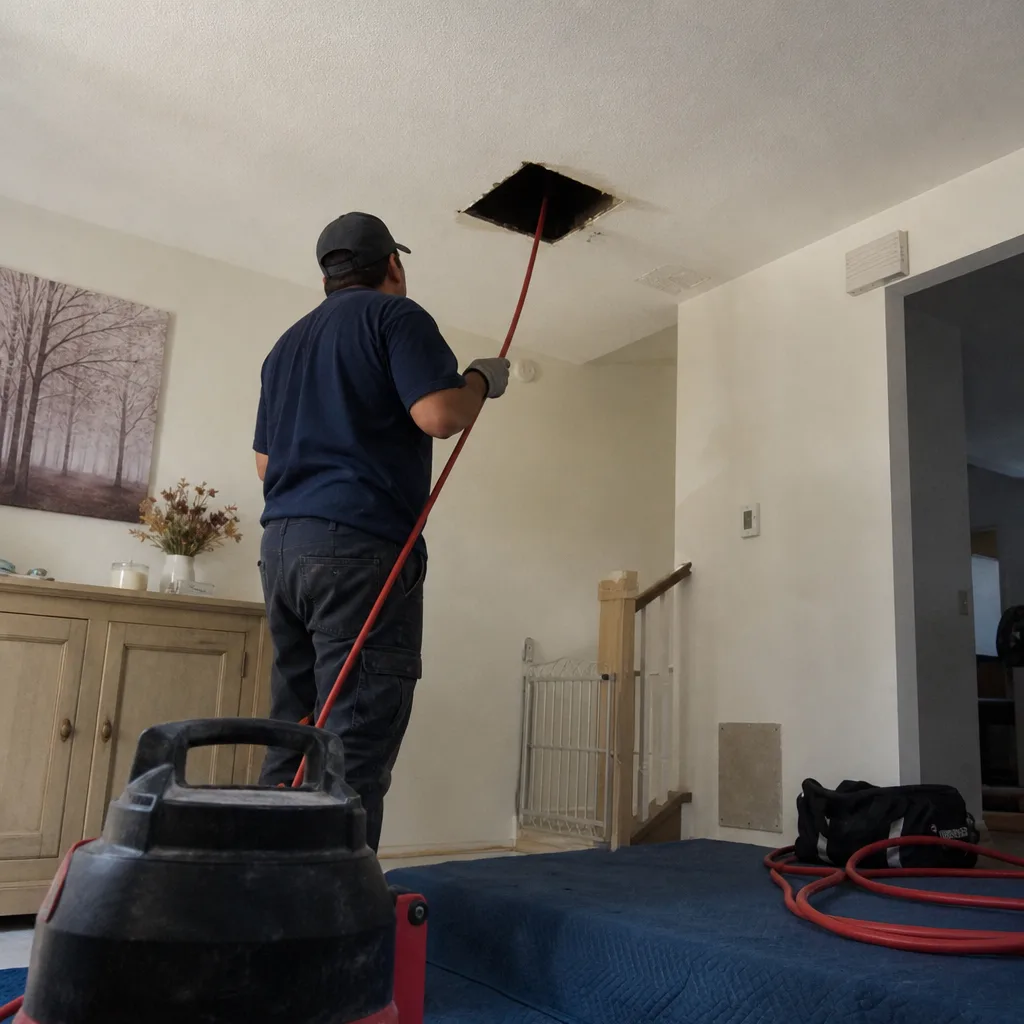
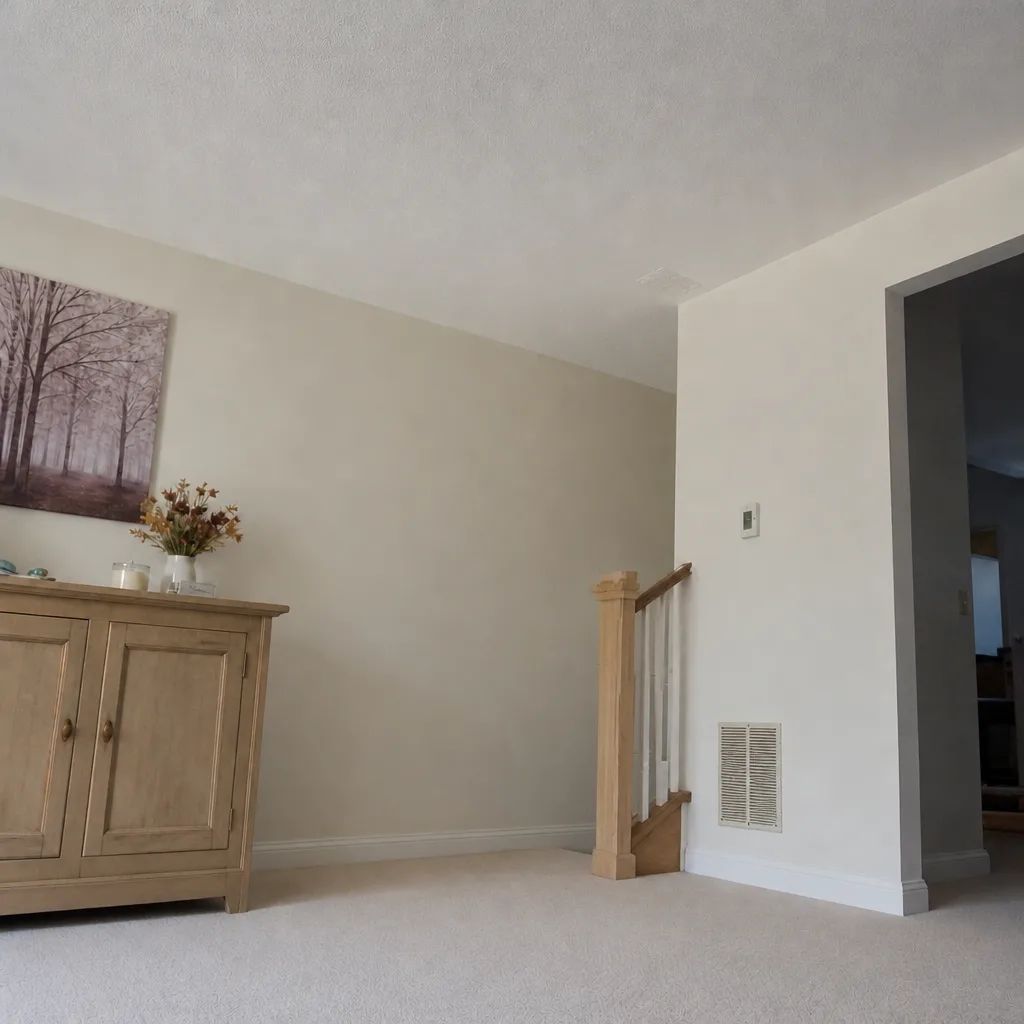
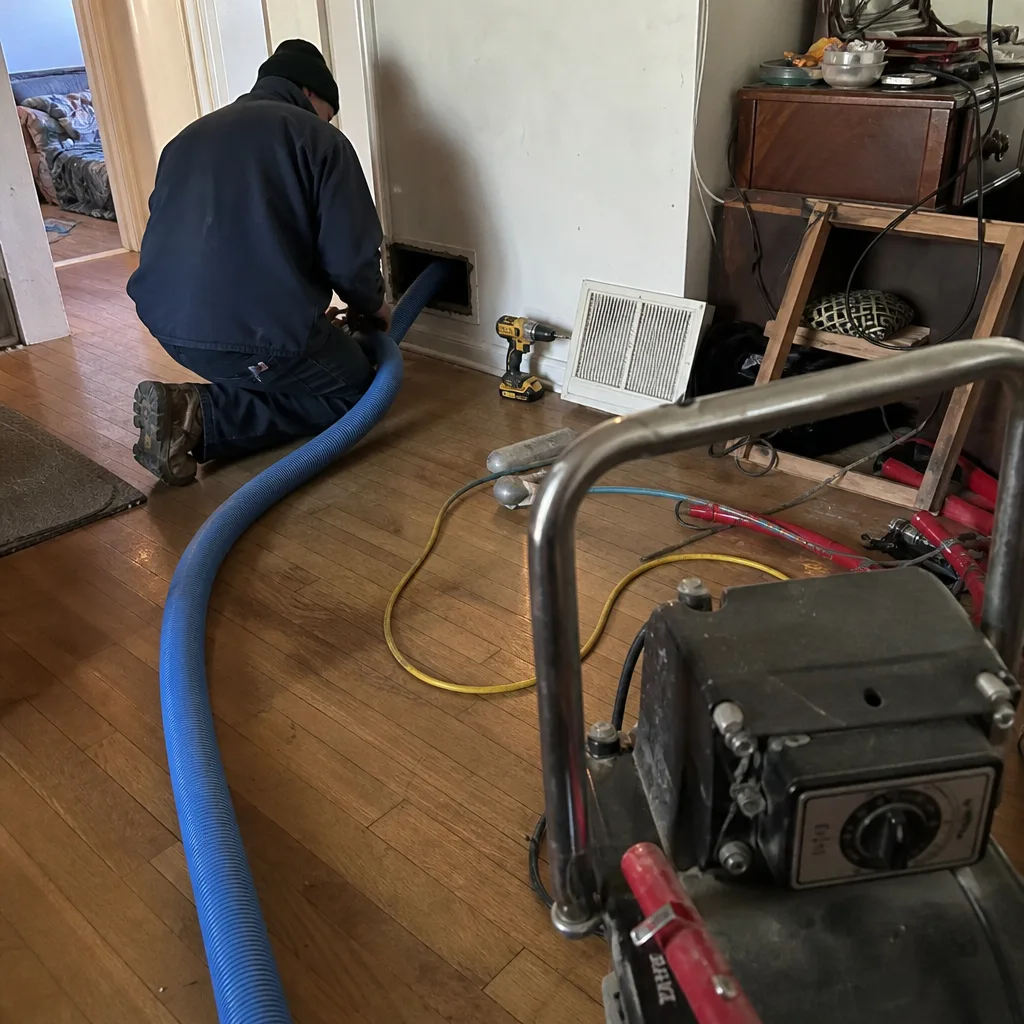
See the difference
 Before
 After
 Before
 After
 Before
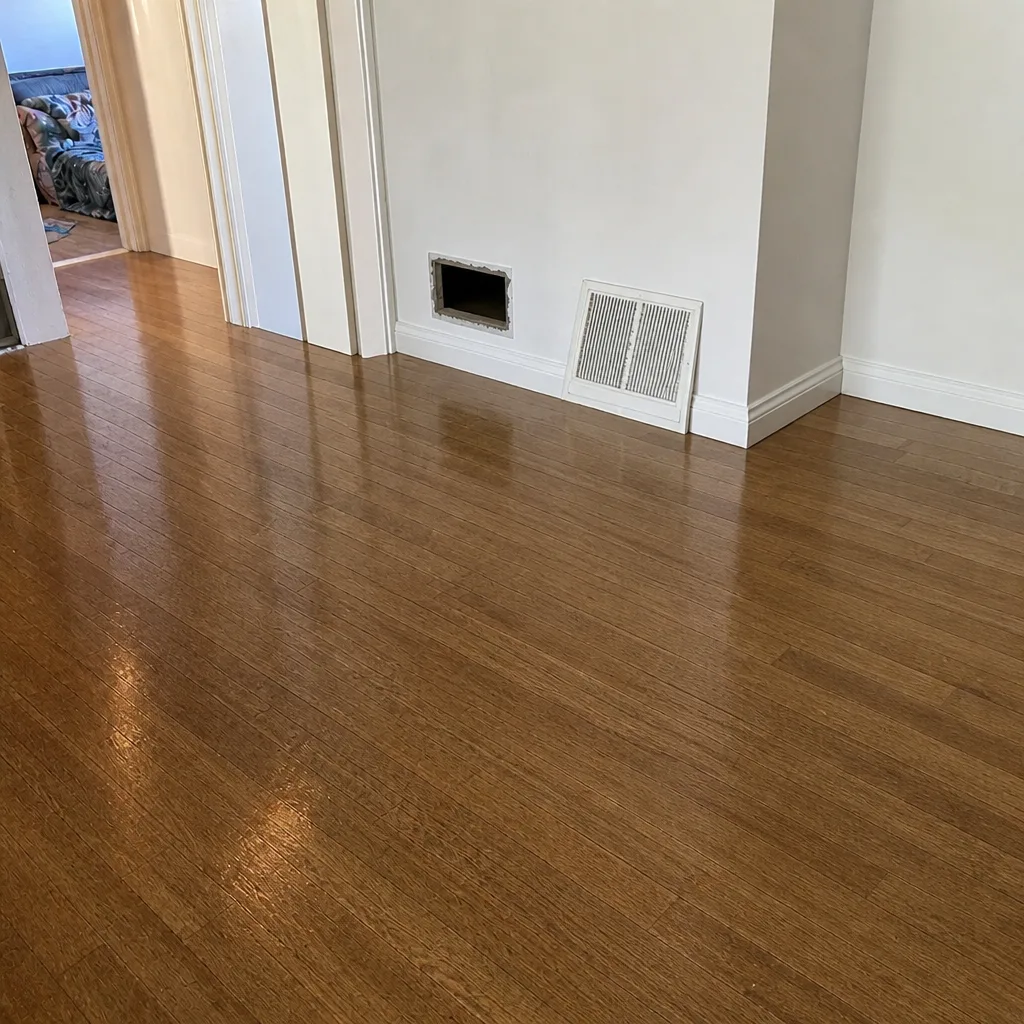 After
When to Call a Professional
There are clear triggers that mean it’s time to call rather than wait: a musty smell any time the system runs, visible microbial growth near the air handler or coil, allergy symptoms that get worse with the HVAC running, a renovation that just finished, more than a year without a cleaning, or uneven temperatures across rooms. If any of these are present, professional evaluation is the right next step, and it isn’t a job for consumer equipment. Air Duct Cleaning New Dorp offers free estimates in New Dorp – call (877) 759-0546. We answer 24/7. Fast dispatch from 7am to 7pm, Sunday through Friday. Our technicians have up to 15 years of experience, and the local pro being connected to the job is licensed and insured as the state requires. The written estimate sets the price, so there are no surprises once work begins.
Frequently Asked Questions
Most homes in New Dorp do well with a cleaning once every year to eighteen months, with the ideal timing tied to the season switch rather than the calendar year. Homes with allergy-sensitive occupants, recent renovations, or HVAC systems running continuously may benefit from two cleanings a year, timed to late spring and early fall. Call (877) 759-0546 for an exact recommendation – estimates are free.
Early fall, usually September or October, is the highest-value window because it clears the summer’s humidity and sets the system up for heating season. Late spring – May – is the next best, before cooling season puts continuous demand on a fresh system. For homes with seasonal allergy symptoms tied to cooling, spring is the priority, and if both seasons matter, two cleanings a year works.
Summer humidity contributes to mold growth inside ducts when the conditions are right – condensation-wet surfaces, warm moving air, and organic dust. It isn’t a guarantee, but it’s a real risk in any system with compromised drainage or insulation, and it’s the reason fall is the most important inspection window. If you’ve had a humid summer and the system smells musty, call (877) 759-0546 – estimates are free.
You should see before-and-after photos of your own ducts, and the work should use negative-pressure containment with HEPA filtration so the debris leaves the system rather than recirculating during cleaning. Ask what equipment is used – professional-grade rotary-contact cleaning and negative-pressure systems are what commercial contractors use, and they’re the visible standard for a real cleaning. A cleaning that comes without before-and-after documentation is a red flag.
Dryer vent cleaning isn’t tied to the same seasonal cycle as the duct system, but it does need attention at least once a year, and more often if the dryer is used heavily or the vent run is long. It’s a fire-risk reduction service, and it belongs in the same overall air-system maintenance schedule. Call (877) 759-0546 to add it to a duct cleaning visit.
The risk is that one well-timed cleaning with proper equipment covers the system well, but the wrong month lets the worst of the load from the season you skipped work its way through the system before you catch it. In New Dorp’s cycle, missing early fall means the winter heating season runs through the summer’s leftover moisture; missing late spring means pollen loads the return just when the cooling season begins. Call (877) 759-0546 and we’ll recommend the right window for your home – estimates are free.
The Bottom Line
In New Dorp, duct care works best when it follows the climate cycle rather than the calendar year. Spring is for clearing winter deposits and loading in pollen, with a coil and drain check before cooling season. Summer is when moisture and biofilm pressure peak if the drain or duct insulation is compromised. Fall is the most important window – clearing summer moisture, checking duct integrity, and setting up clean for heating season. Winter puts a premium on humidity management, ventilation, and keeping the filter schedule consistent. If you can only do one cleaning, make it early fall. If you can do two, add late spring. Use professional-grade equipment with containment to make each visit count.
The full-system view matters throughout: cleaning alone doesn’t fix a leaky duct or a wet coil, and sealing or sanitizing alone doesn’t clear the settled debris that feeds the problem. The air inside your home is only as clean as the system moving it. We clean the full air pathway – ducts, vents, coils, and beyond – using Rotobrush and Nikro systems for contact-based, containment-first cleaning, with Abatement Technologies filtration on every job. We don’t just clean – we seal, repair, and sanitize. If it’s time for a full evaluation, call (877) 759-0546 for a free estimate. We answer 24/7. Fast dispatch from 7am to 7pm, Sunday through Friday. One flat price per system, agreed before work starts, with before-and-after photos of your own ducts and a satisfaction guarantee.
Start with the basics at Air Duct Cleaning New Dorp, or call us directly to talk through your home’s seasonal situation.
Written by the team at Air Duct Cleaning New Dorp.