
Last updated November 24, 2026
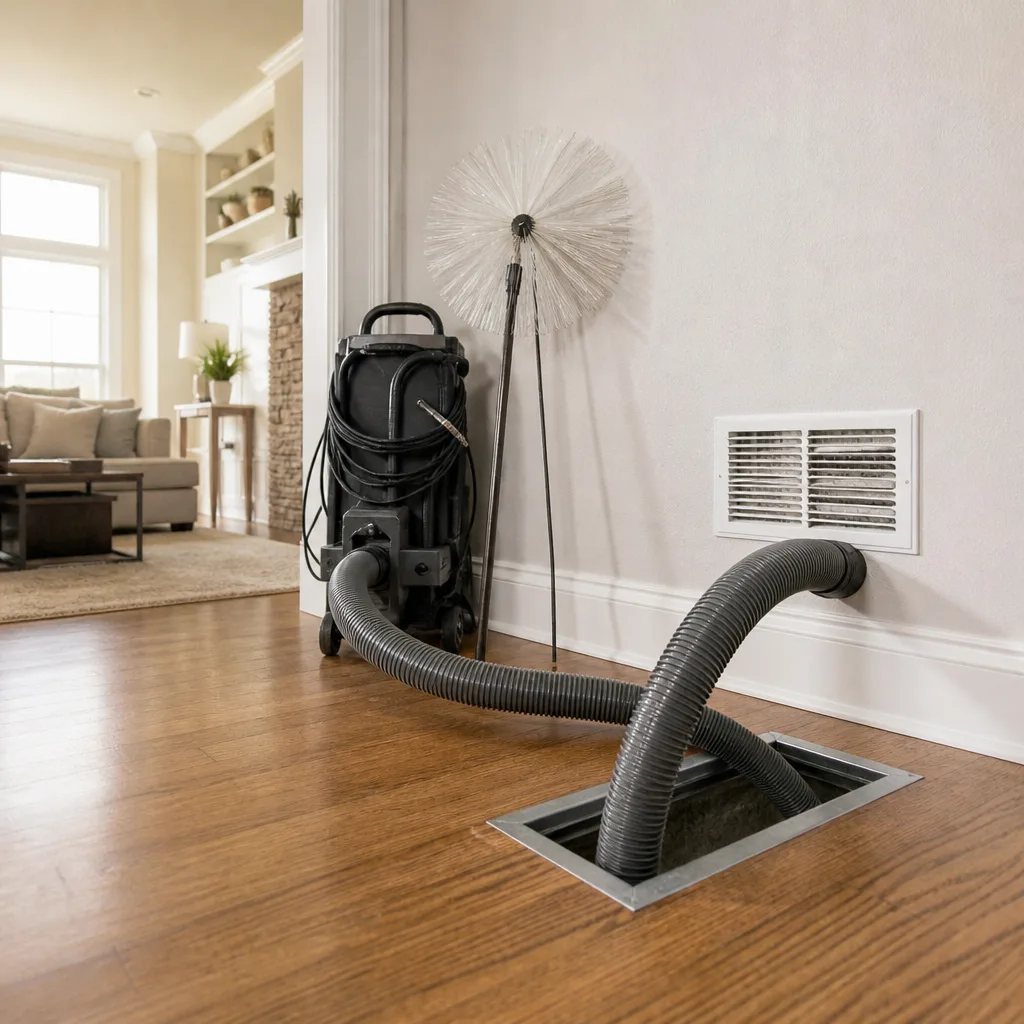 Whole-home duct cleaning
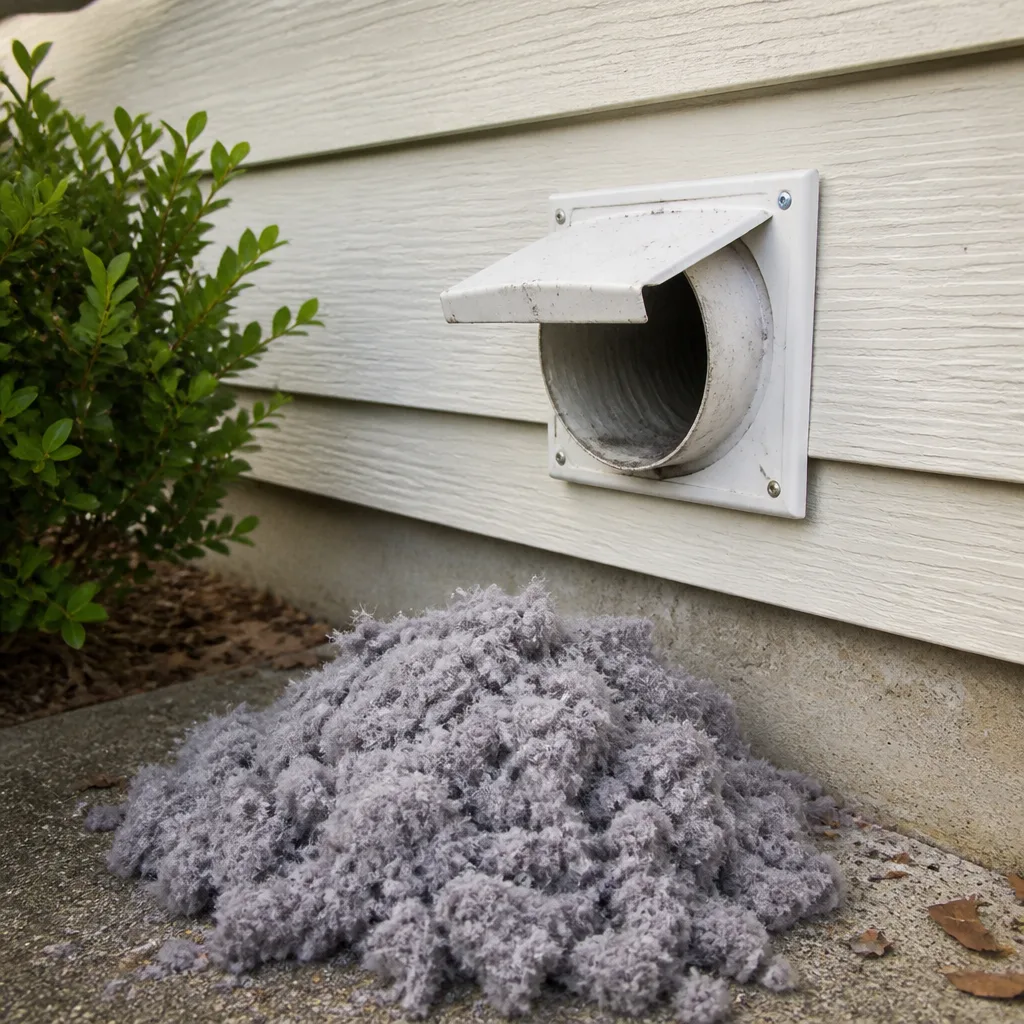 Dryer vent cleaning
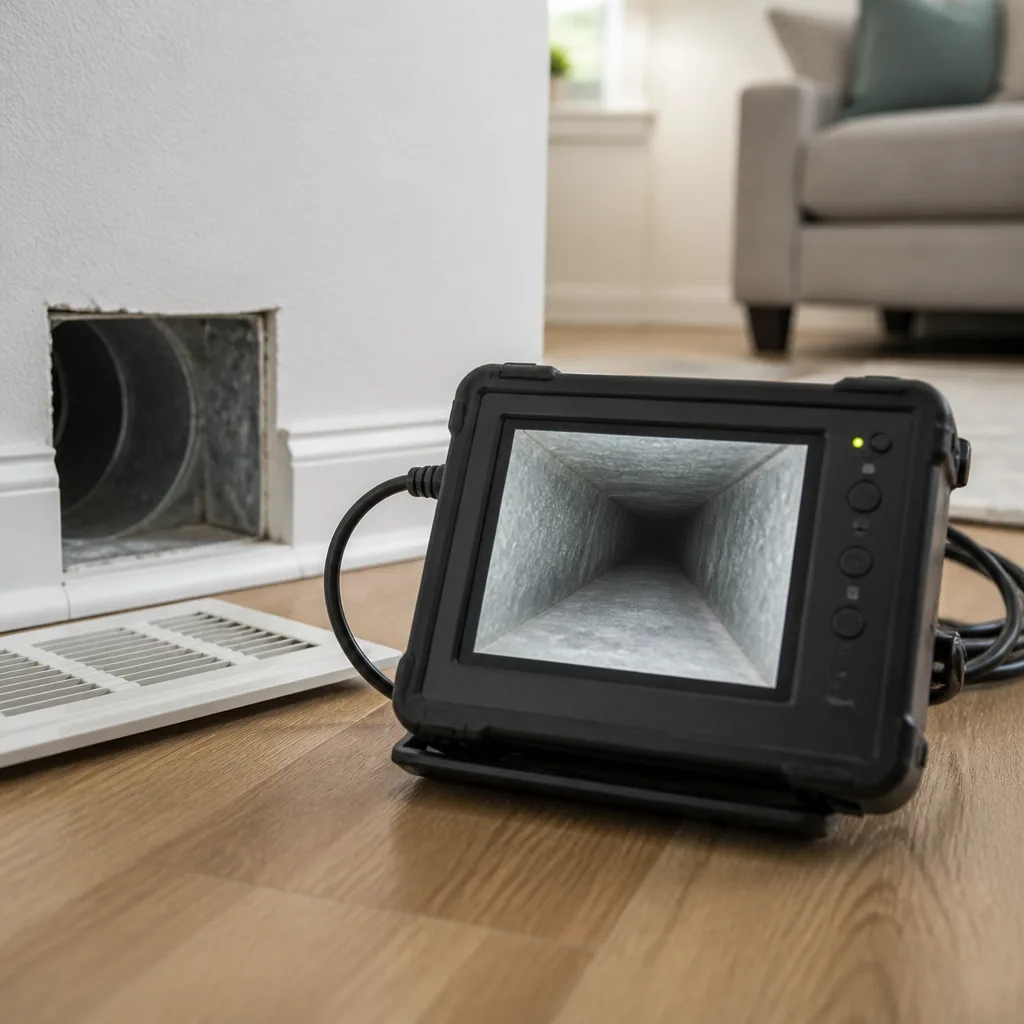 Camera inspection
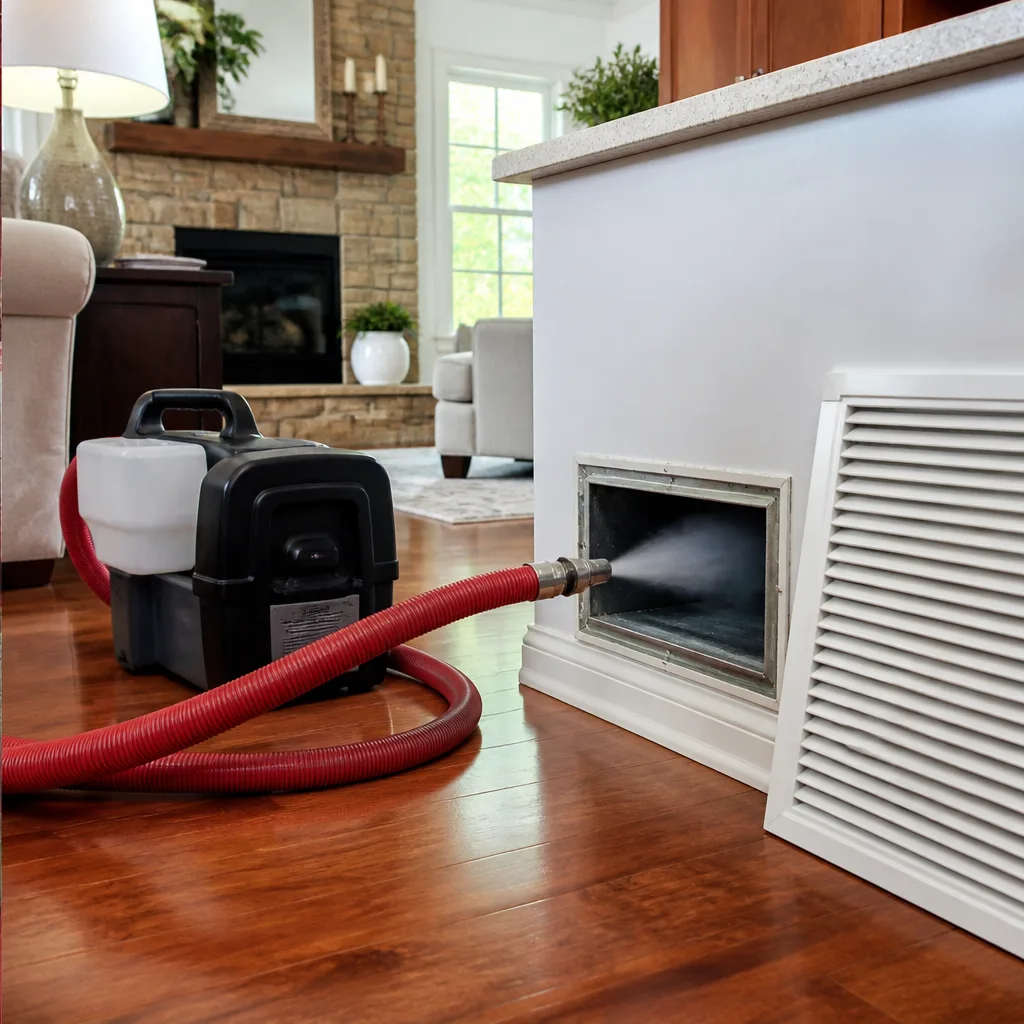 Sanitizing & deodorizing
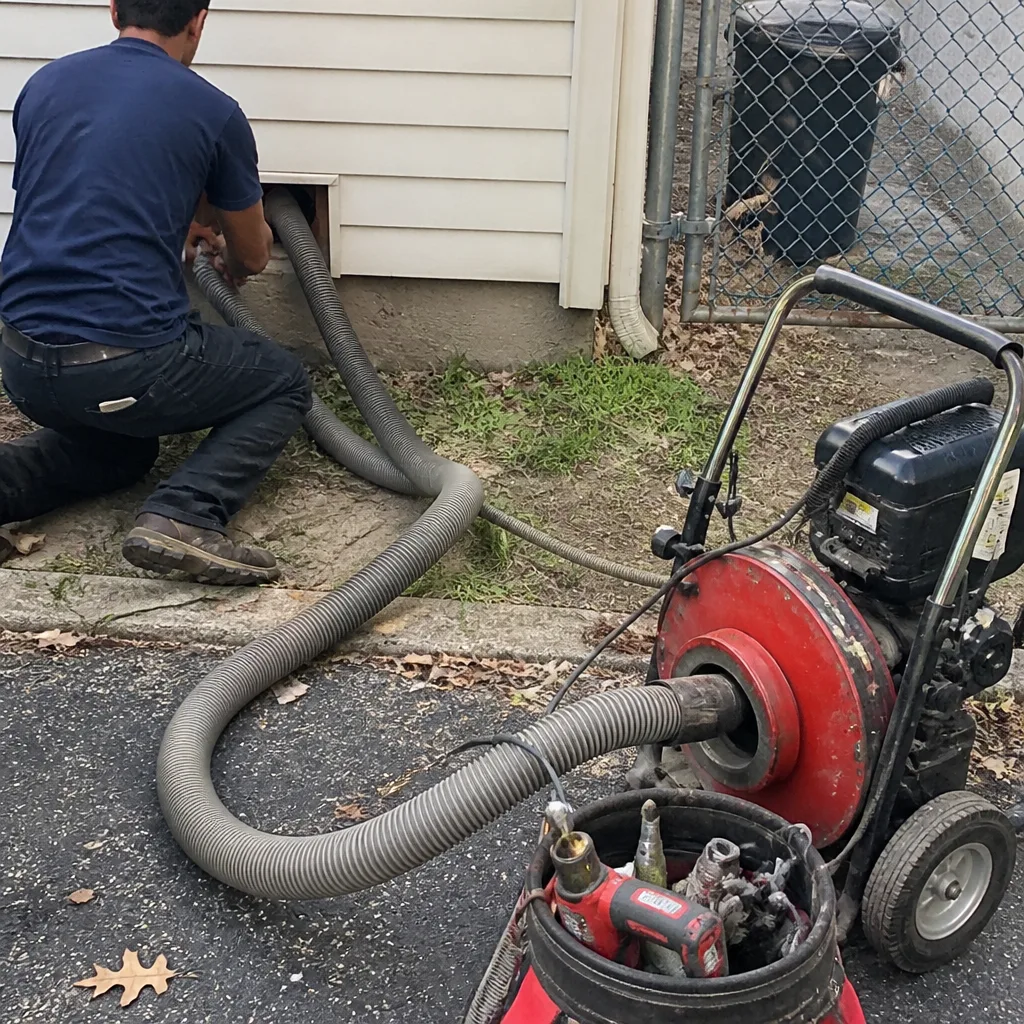
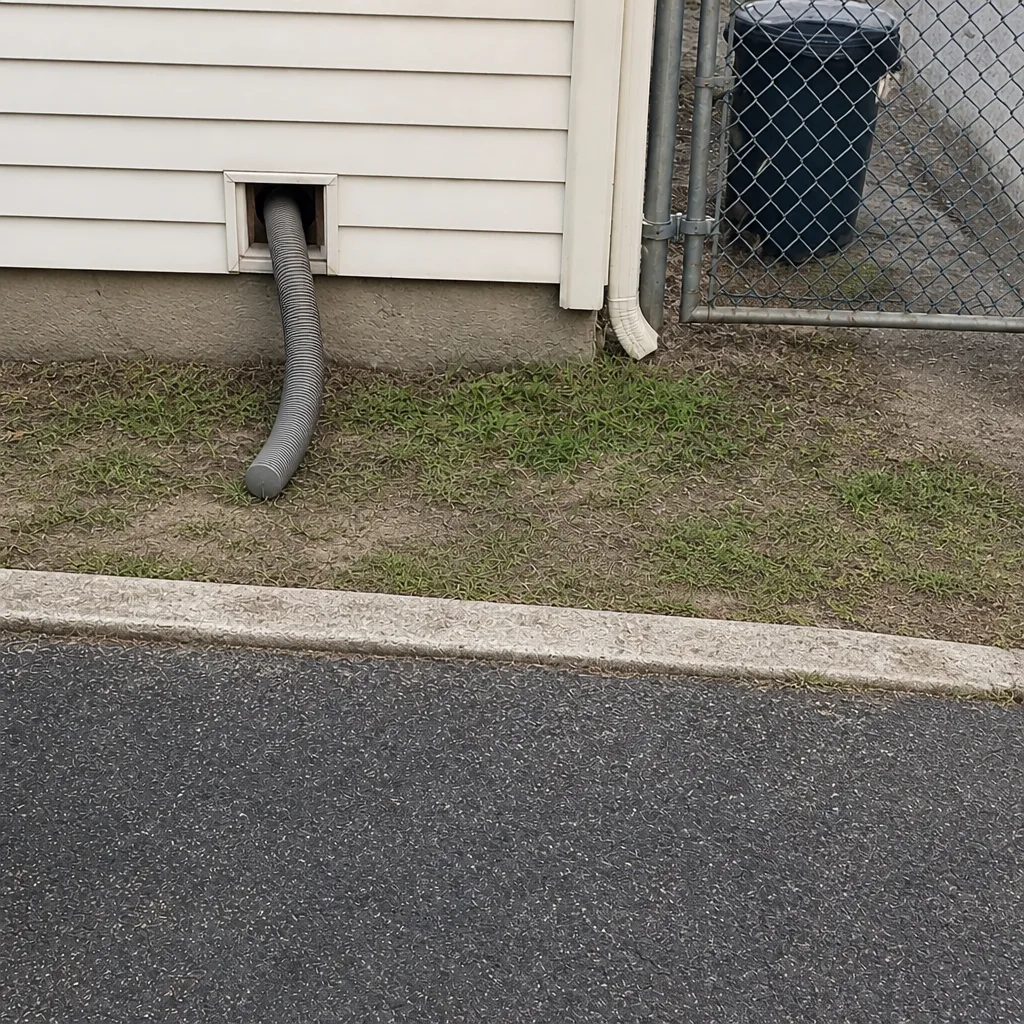
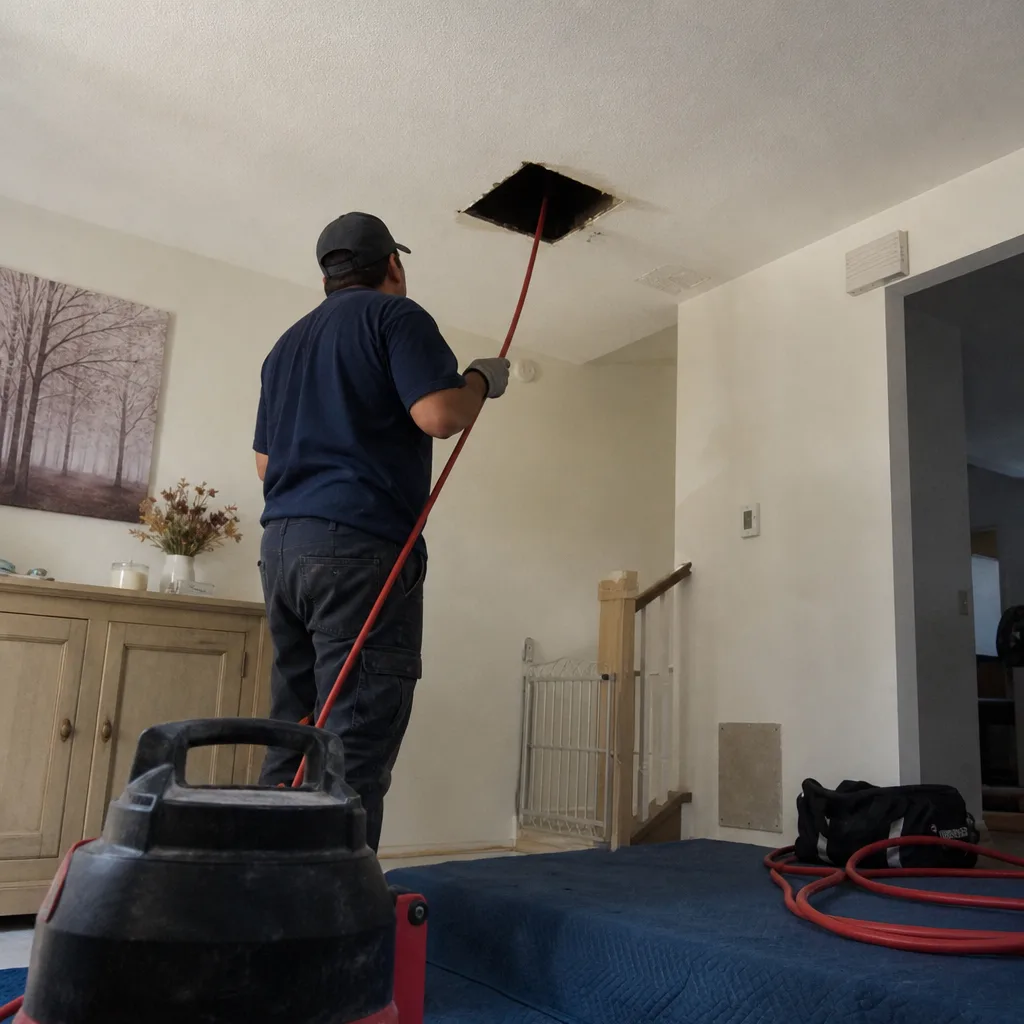
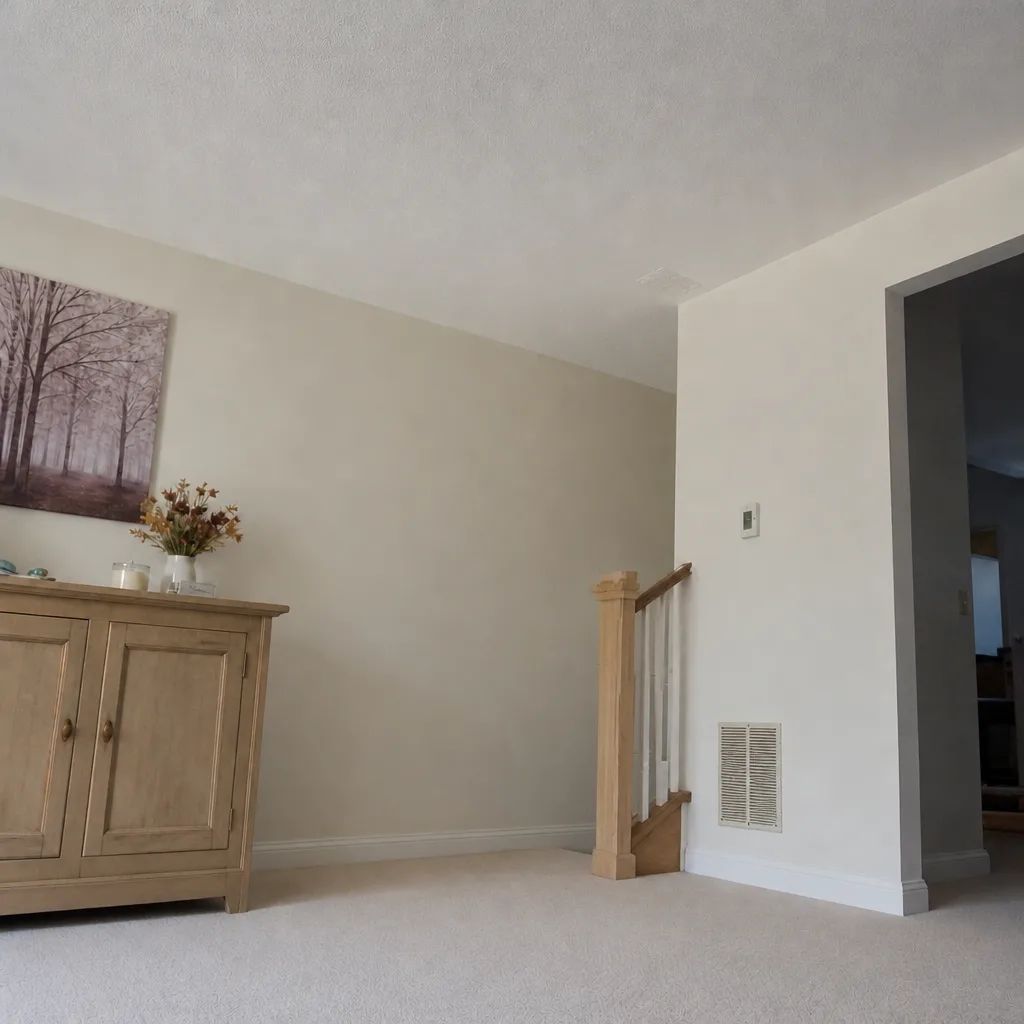
Whole-system duct and dryer vent check with before-and-after photos - you see exactly what came out of your vents
That "$99 whole-house special" is a bait ad - the real number appears once they are in your hallway, or the "clean" is a shop-vac at the register. We photograph the inside of your ducts before and after instead.
Air Duct Cleaning Maintenance Schedule: What to Do and When
Most homeowners are still following a cleaning schedule that stopped making sense years ago. The widely repeated “every three to five years” advice predates high-shedding synthetic carpet, gas fireplaces that run all winter, and HVAC systems that move air year-round instead of a few months a year. A flat calendar can’t account for any of that. Debris builds up at wildly different rates from one house to the next, even on the same block in New Dorp. This guide replaces the calendar with a decision tree: what actually drives accumulation, how to read the signals your own system gives you, and when a cleaning genuinely matters versus when you can wait.
Quick Answer
There’s no single correct interval for air duct cleaning. In our experience, most homes land somewhere between every two and seven years, set by four variables: pets and occupants, renovation or water events, how many hours a day the HVAC runs, and the duct material itself. Read your filter loading rate and check your return grilles every few months; those two signals tell you more about your real schedule than any general rule. For a baseline, use three years as a starting point, then compress or stretch it based on the variables below.
Styles & brands we work with
- Whole-home duct cleaning
- Dryer vent cleaning
- Camera inspection
- Sanitizing & deodorizing
Table of Contents
- Why the Standard 3-5 Year Rule Falls Short
- The Four Variables That Set Your Real Interval
- The Filter-Inspection Method
- Seasonal Tasks You Can Do Yourself
- When to Schedule Around Life Events
- How Duct Material Changes the Timeline
- Your Duct Cleaning Decision Tree
- Common Mistakes to Avoid
- When to Call a Professional
Why the Standard 3-5 Year Rule Falls Short
The “clean every three to five years” figure gets repeated so often it sounds like a rule. It isn’t. It’s a rough midpoint that assumes an average home with average occupancy, average carpet, and average HVAC runtime. Change any of those and the number shifts.
Think about what’s changed in homes over the past few decades. Synthetic wall-to-wall carpet sheds fibers continuously, and those fibers end up in the return air. Gas fireplaces produce fine particulates that go straight into the return when the blower runs. Heat pumps and high-efficiency furnaces move air all year, not just in winter, so the system accumulates far more runtime hours than a system that shuts off in spring. Add a dog or two and the calculation changes again.
In New Dorp, most homes sit on lots close together, many with landscaping that kicks up pollen and grit through the warmer months. Our technicians have up to 15 years of experience and have seen how much variance that creates even within a few blocks. A house on a quiet interior street with no pets and no recent work might genuinely go five or six years between cleanings. A house with two cats, a recent kitchen renovation, and year-round HVAC operation might need attention in under two years.
The right approach is to know what moves the needle, measure your own system against it, and let the data tell you when to schedule. That’s what the rest of this guide lays out.
The Four Variables That Set Your Real Interval
Four factors drive how fast debris accumulates in your ducts. Score your home against each one and you’ll have a working interval that’s specific to you, not borrowed from a general rule.
Pets and Occupants
One long-haired dog or two cats will roughly halve your interval compared to a pet-free home. Pet dander, hair, and tracked-in soil all end up airborne and get pulled into the return. Smoking indoors has a similar compression effect on the timeline. Occupancy matters too: a family of five generates more dust, skin cells, and activity than a couple in the same square footage.
Renovation Dust
Any renovation that opens walls, sands drywall, or grinds concrete loads your ducts with fine particulate. Drywall dust is especially aggressive because the particles are so small they pass through most filters and settle on duct walls. Treat any renovation as a reset point: schedule a cleaning after the work is finished, not before.
HVAC Runtime
Every hour the blower runs, air circulates through the ducts. Homes with heat pumps, variable-speed systems, or families that run the fan continuously will accumulate debris faster than homes where the system cycles on and off seasonally. If your blower runs more than 2,000 hours per year, tighten your interval.
Allergy and Respiratory Sensitivity
If anyone in the household has asthma, seasonal allergies, or another respiratory condition, don’t wait for the visual signals. Compress the interval by a year or more and treat filter changes as non-negotiable. The goal for these homes isn’t just avoiding visible dirt; it’s keeping the particulate load in the airstream as low as possible.
The Filter-Inspection Method
Your filter is the cheapest diagnostic tool you own. How fast it loads tells you how fast your ducts are collecting debris between cleanings.
How to Read Your Filter
- Check the filter once a month for the first three months after a fresh install. Note the date you put it in.
- Inspect at two weeks, four weeks, and six weeks. Photograph the filter at each check under the same light so you can compare loading side by side.
- Compare to baseline. A filter that’s visibly gray and matted by week four is loading fast. That usually means your ducts are shedding debris into the airstream or you have a return-side leak pulling in unfiltered air.
- Set a filter-change interval based on what you find. If a filter is fully loaded at four weeks, that’s your change schedule, and it’s also a signal that a professional duct inspection is due.
- Reassess after cleaning. A freshly cleaned system should let a filter last noticeably longer. If it doesn’t, there’s a leak or a bypass somewhere in the return path.
This is also how you catch duct seam failures early. A filter that suddenly starts loading twice as fast, with no other change in the house, usually points to an air leak pulling attic or crawlspace air into the return. That’s a repair issue, not just a cleaning issue, and it’s one reason we treat duct repair and sealing as a standard part of what we do rather than a separate call.
Seasonal Tasks You Can Do Yourself
Between professional cleanings, a handful of small tasks keep the system in decent shape and let you spot problems early. None of them replace a real cleaning, but they stretch the interval and catch developing issues.
Spring: Post-Heating-Season Checks
- Vacuum return grilles with a brush attachment. Dust sitting on the grille face gets pulled in every time the blower runs.
- Inspect the condensate drain line for clogs or algae growth. A slow drain can back up into the air handler and create a moisture problem inside the system.
- Check the outdoor condenser for debris and clean the fins with a soft brush or hose on low pressure.
- Swap to a fresh filter as cooling season starts, and note the date.
Fall: Pre-Heating-Season Checks
- Walk the supply registers with a flashlight. Visible dust tufts or dark streaks on the surrounding ceiling tell you the duct interior needs attention.
- Run your hand along the return grille frame while the fan is running to feel for air leaks. A cold draft at the seam means the seal has failed.
- Check that all supply registers are open and unobstructed. A closed register doesn’t stop airflow; it just backs up pressure and pushes dust into other zones.
- Replace the filter again at the season changeover.
None of these let you skip a professional cleaning, but they give you the observations that make a professional visit faster and more targeted. It’s the difference between “clean the system” and “clean these three runs and reseal the return trunk.”
When to Schedule Around Life Events
Some events override your interval entirely. If any of these apply, put a cleaning on the calendar regardless of how recently the system was serviced.
- Post-renovation. Wait until the dust has fully settled (usually three to five days after the last sanding or cutting), then clean. Cleaning mid-renovation just means cleaning again after the job is done.
- Post-water intrusion. Any leak, flooding, or moisture event that touches the air handler or duct runs needs inspection and, often, sanitizing treatment. Moisture plus organic dust is the recipe for microbial growth, and that’s a problem cleaning alone won’t solve if the cause hasn’t dried out.
- After a pest issue. Rodent or insect activity in ducts leaves droppings, nesting material, and dander. Standard cleaning isn’t enough; you want a containment-first cleaning that keeps the debris from becoming airborne in the living space. That’s why we run Abatement Technologies filtration on every job, capturing contaminants at the source instead of recirculating them through the house.
- Before bringing a newborn home. If the house has gone years without a cleaning, scheduling one before the baby arrives makes sense. Give it a week’s buffer so any dust from the cleaning process settles and the air is stable before the baby is in the room.
- Moving in. New to the house? You don’t know the previous owner’s maintenance history. A cleaning and inspection gives you a clean baseline, especially in older New Dorp homes where duct systems predate modern filtration.
- New HVAC install. When the air handler is replaced, the ductwork should be inspected and cleaned before the new unit is commissioned. Pieces of the old system can end up in the ducts during removal, and you don’t want them being pulled into a brand-new blower.
How Duct Material Changes the Timeline
What your ducts are made of changes both how fast they accumulate debris and what you should be checking. Three materials cover most homes in New Dorp.
Flex Duct
Flexible, corrugated duct is common in retrofits and attic runs. The ribs trap debris, and the interior surface is soft enough that aggressive brushes can snag or tear it. Flex duct usually needs cleaning more often than sheet metal because of the surface texture, and inspection is critical: a sagged or crushed section restricts airflow and causes dust to settle elsewhere. Any flex run that’s visibly sagging should be looked at closely.
Sheet Metal
Galvanized sheet metal is smooth, so it accumulates debris more slowly and cleans more thoroughly. The joints and seams are where you’ll find leaks. If the taped or mastic-sealed joints have cracked, unfiltered air enters the system and drives up dust accumulation downstream. Sheet metal returns in older homes are often where we find the most significant sealing needs.
Duct Board
Rigid fiberglass duct board is common in homes built or renovated through the 1980s and 1990s. It’s more delicate than sheet metal. Aggressive rotary cleaning can damage the interior foil facing, so the technician has to know the material before choosing tools. Duct board also hides leaks well; the face can look fine while the joint underneath has separated.
For all three, the inspection during a cleaning matters as much as the cleaning itself. If a run is damaged, the fix is repair and sealing, not just repeated cleaning. We don’t just clean the ducts; we seal, repair, and sanitize, because a leaky system will just re-dirty itself after every cleaning.
Your Duct Cleaning Decision Tree
Here’s the whole schedule compressed into a single decision path. Run through it once a year and you’ll never miss a cleaning that matters.
- Has anything in the house changed in the past 12 months? Renovation, water intrusion, pest activity, a new pet, a new baby, or a new HVAC install. If yes, schedule a cleaning or inspection now.
- Is your filter loading faster than it was a year ago? Compare week-four loading to last year. If it’s noticeably worse, schedule an inspection; it’s likely a duct leak.
- Are your return grilles visibly dusty, and do supply registers show dark streaks? If yes, the system needs attention.
- Does anyone in the house have respiratory sensitivity? Compress the interval by at least a year.
- Do you have pets? Compress the interval by roughly half.
- What’s your duct material? Flex runs get cleaned more often; sheet metal less often; duct board needs careful inspection each time.
- When was the last professional cleaning? If it’s been more than five years, schedule one regardless of how things look.
- If none of the above push you to act, recheck in six months and keep the filter-change schedule honest in between.
Run this from your own records and you’ll typically land in a range that makes sense for your house. If you’d rather not diagnose it yourself, we offer free estimates in New Dorp and can inspect the system in person to tell you where in the interval you actually are. That includes the full picture on Air Duct Cleaning New Dorp.
What About Dryer Vents and HVAC Coils?
The duct schedule is the big one, but the air pathway doesn’t stop at the ducts. Two components get overlooked and both affect how fast your ducts re-dirty.
Dryer Vent
Dryer vent cleaning runs on a different clock entirely. Lint accumulates every load, and the fire-risk profile is real. Most homes benefit from dryer vent cleaning every one to two years, more often if the vent run is long or has multiple elbows. It’s a service most duct-only contractors don’t offer, and it’s part of what we do as part of the broader air-system work. See dryer vent cleaning for the details on interval and warning signs.
Evaporator and Condenser Coils
Dirty coils reduce the system’s ability to move heat and increase runtime, which in turn drives more airflow through the ducts and more accumulation. HVAC cleaning on the coil and air handler side isn’t optional if you want the duct cleaning to hold. If the coil is fouled, the ducts will re-dirty faster than the schedule you built would suggest. Our HVAC cleaning service covers the equipment side of the pathway.
See the difference
 Before
 After
 Before
 After
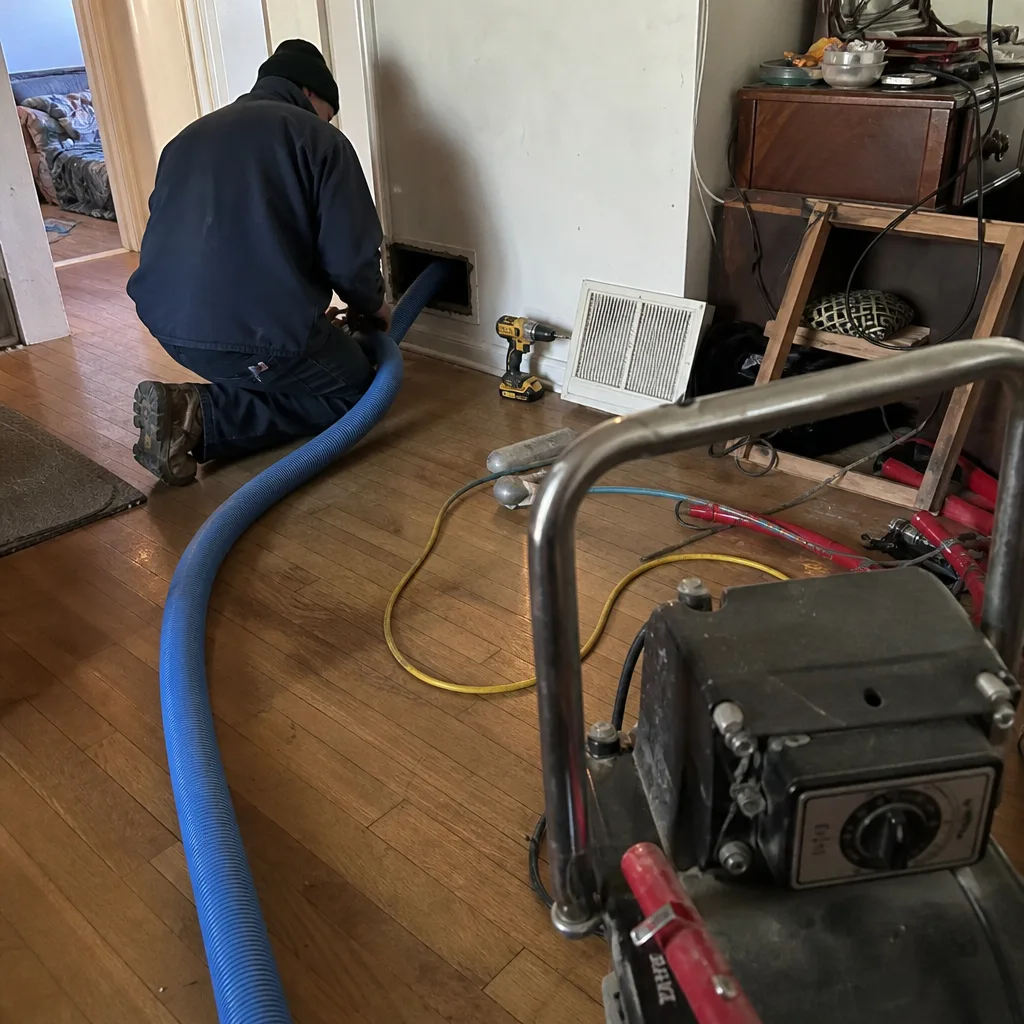 Before
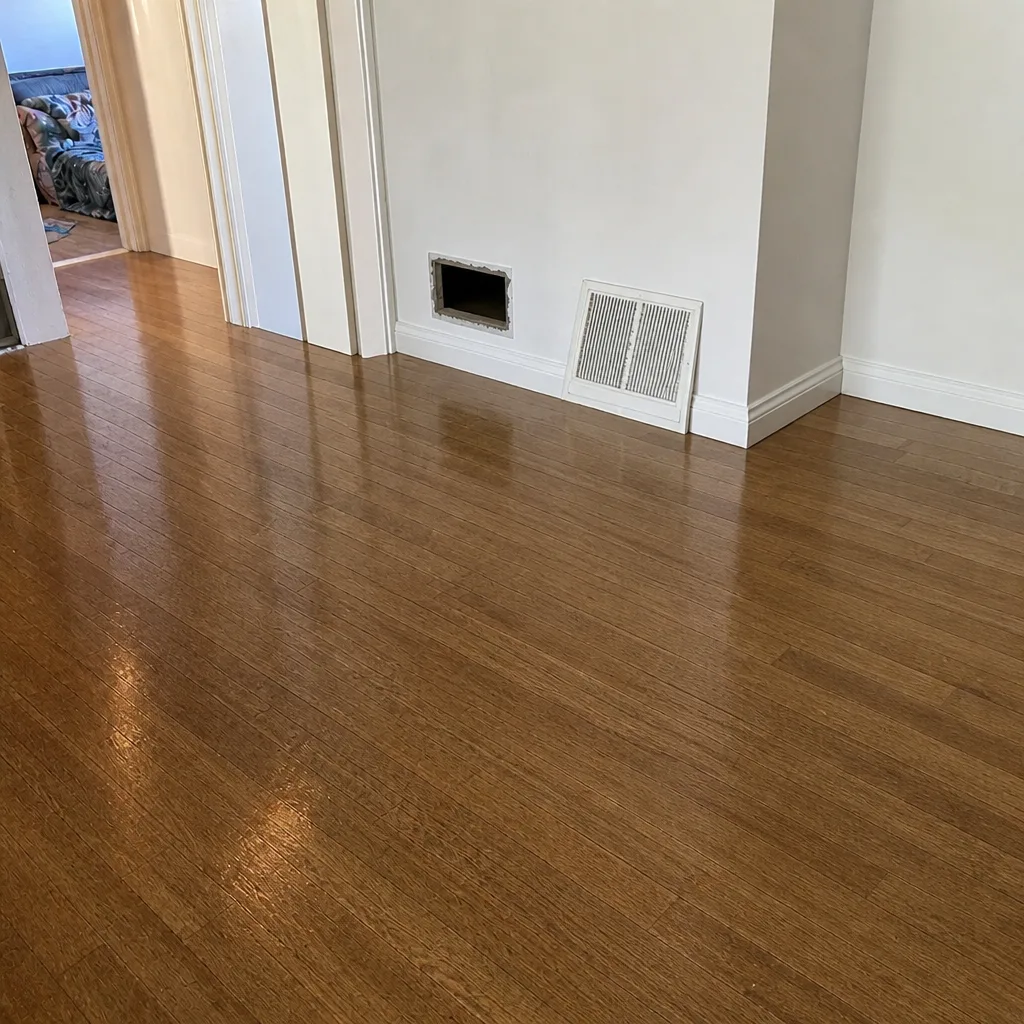 After
Common Mistakes to Avoid
- Following the calendar instead of the signals. Three years is a fine starting point, but a pet-free, renovation-free house might not need attention for five. Read the filter and grilles.
- Cleaning only the ducts and not sealing the leaks. A cleaning that leaves leaks in place just re-dirties the system. Sealing needs to be part of the visit.
- Skipping the dryer vent because “it’s not really part of the ducts.” It’s a separate system but a real fire risk. It gets its own cleaning interval, usually 12 to 24 months.
- Using a shop-vac on a register and calling it duct cleaning. That stirs debris up and pulls it into the living space. Professional negative-pressure containment keeps debris from entering the room.
- Scheduling a cleaning right after a renovation, before the dust has settled. Wait for the work to finish and the air to clear, then clean.
- Assuming a new HVAC install makes the ducts fine. New equipment doesn’t clean the pathway. Old ducts feeding a new blower are a common source of trouble.
- Ignoring a filter that loads unusually fast. That’s the earliest signal of a duct or return leak, and it’s cheaper to fix early than after it affects the airstream.
When to Call a Professional
Some situations don’t need a decision tree. If you’ve had a renovation, water intrusion, or pest issue, that’s a professional visit, not a wait-and-see. If a filter loads within four weeks of a fresh change, that’s a professional visit. If you can see visible debris at supply registers or feel a draft at a return seam, that’s a professional visit. If it’s been more than five years since the last cleaning, that’s a professional visit regardless of appearance.
And if you’re on the fence, an inspection is the answer. We use professional-grade equipment on every job, including Rotobrush rotary-contact cleaning, Nikro HEPA vacuuming, and Abatement Technologies filtration, so what you’re getting isn’t a shop-vac pass. Air Duct Cleaning New Dorp offers free estimates in New Dorp. Call (877) 759-0546. We answer 24/7. Fast dispatch from 7am to 7pm, Sunday through Friday.
Frequently Asked Questions
Most New Dorp homes land between every two and seven years, set by pets, renovation history, HVAC runtime, and duct material. Use three years as a starting baseline, then compress it for pets, allergy concerns, or heavy runtime, and stretch it for a pet-free home with sheet metal ducts. Our technicians have up to 15 years of experience and can tell you in person where your system falls. Call (877) 759-0546 for an estimate.
It’s necessary when the signals call for it. There’s no value in cleaning a system that’s already running clean, but there’s real cost to letting leaks, microbial growth, or pest debris sit in the pathway. The practical answer is: don’t clean on a fixed timer, clean when the filter loading, grille condition, or event history tells you to. When the signals are there, call (877) 759-0546. Estimates are free.
Ask for before-and-after photos of the duct interiors, and make sure the visit includes an inspection report. Any company that can’t show you the inside of the duct before and after isn’t giving you a cleaning you can verify. We photograph the system and provide the report on every job. Call (877) 759-0546 and ask what documentation comes with the estimate.
Usually because the scope is smaller. Low quotes often skip containment, skip sealing and repair, and sometimes skip whole sections of the pathway. A shop-vac pass at the nearest register is not a duct cleaning. The price that matters is the one that covers your actual system, including leaks, and that’s what the written estimate sets. Call (877) 759-0546 for an honest whole-system estimate.
No, it runs on its own interval, typically every 12 to 24 months depending on load volume and vent run length. Lint accumulates per load, not per year, so a busy laundry means a tighter interval. This is separate from air duct cleaning but part of the same air and safety system. Call (877) 759-0546 if you’d like both assessed on one visit.
After. Wait for the work to finish and dust to settle, usually three to five days past the last sanding or cutting, then clean. Cleaning mid-renovation just means paying twice. If you’ve already had a renovation and haven’t cleaned since, don’t wait any longer. Call (877) 759-0546 to schedule.
They help, but they don’t replace cleaning. Whole-home filtration and humidification, whether you’re on a Honeywell or Aprilaire setup, work best when the ducts are clean to begin with. Upgrades extend the interval; they don’t eliminate the need. Call (877) 759-0546 if you want the system assessed for both cleaning and filtration improvements.
The Bottom Line
The right duct cleaning schedule is the one built from your own signals. Start with three years, then adjust: bring it down for pets, allergies, renovation, or high HVAC runtime, and push it out for a low-activity home running clean sheet metal. Check the filter monthly, inspect the return grilles twice a year, and treat life events (renovation, water, pests, new baby, new system) as reset points that override the calendar. Add dryer vent cleaning on its own 12-to-24-month clock and coil cleaning as part of the HVAC side. Do those things and you’ll never miss a cleaning that matters, and never pay for one you didn’t need.
If any section of this guide matches your situation, the next step is an inspection. Air Duct Cleaning New Dorp offers free estimates in New Dorp, and we clean, seal, repair, and sanitize as a coordinated visit rather than separate calls. Call (877) 759-0546. We answer 24/7. Fast dispatch from 7am to 7pm, Sunday through Friday.
Written by the team at Air Duct Cleaning New Dorp.