
Last updated November 24, 2026
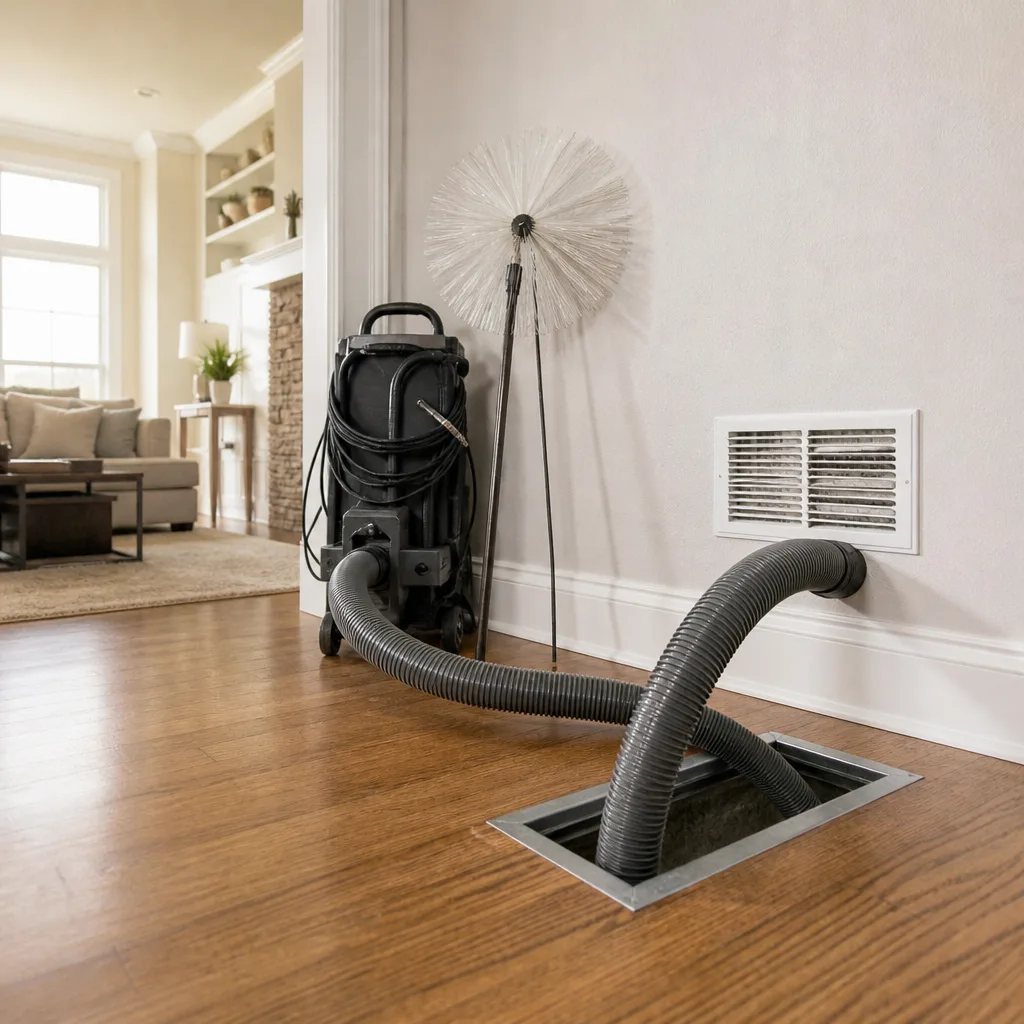 Whole-home duct cleaning
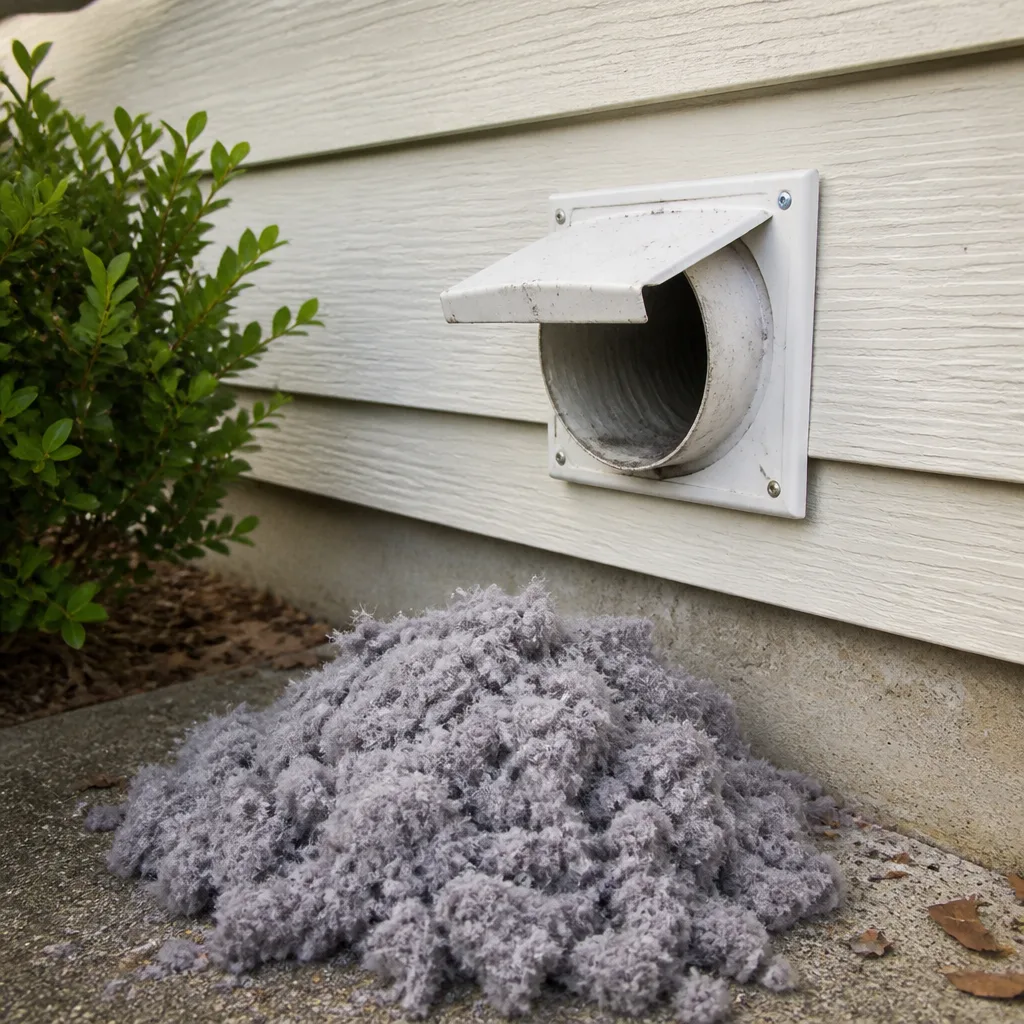 Dryer vent cleaning
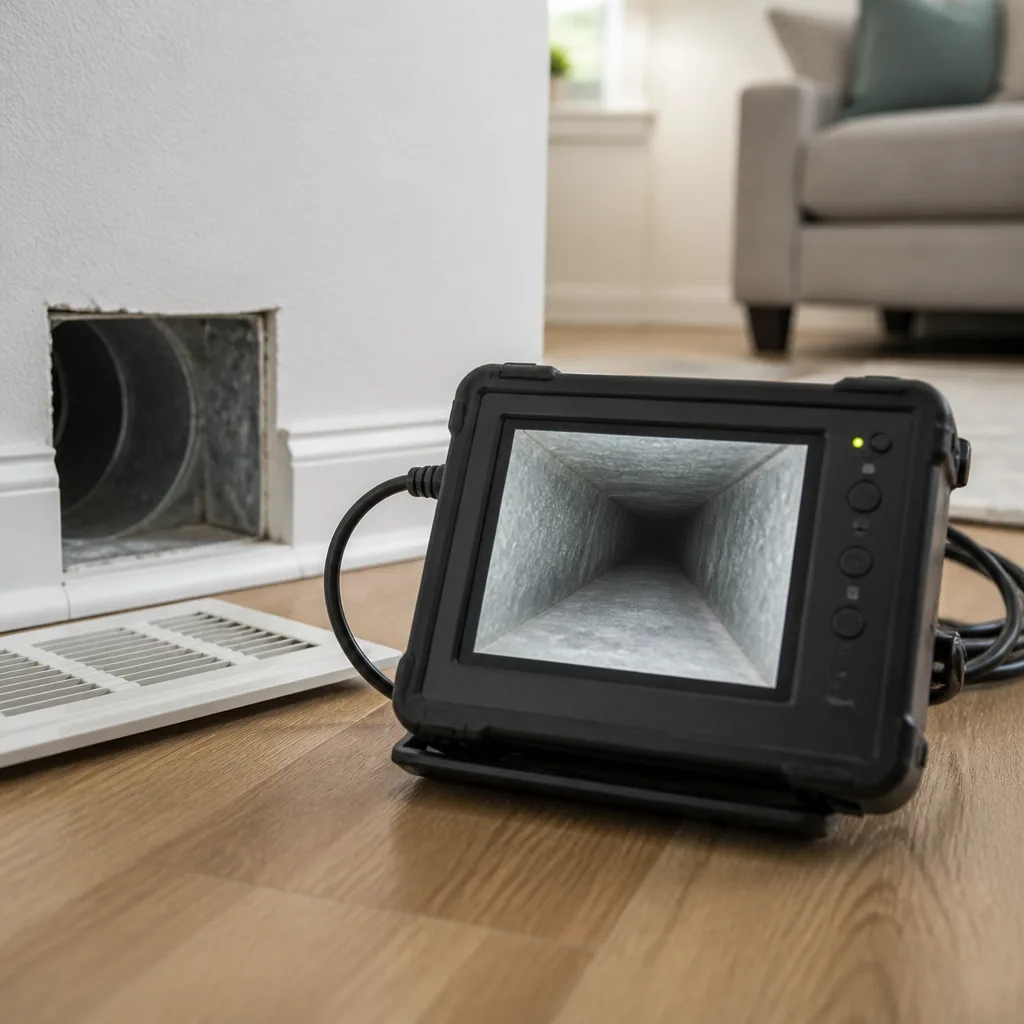 Camera inspection
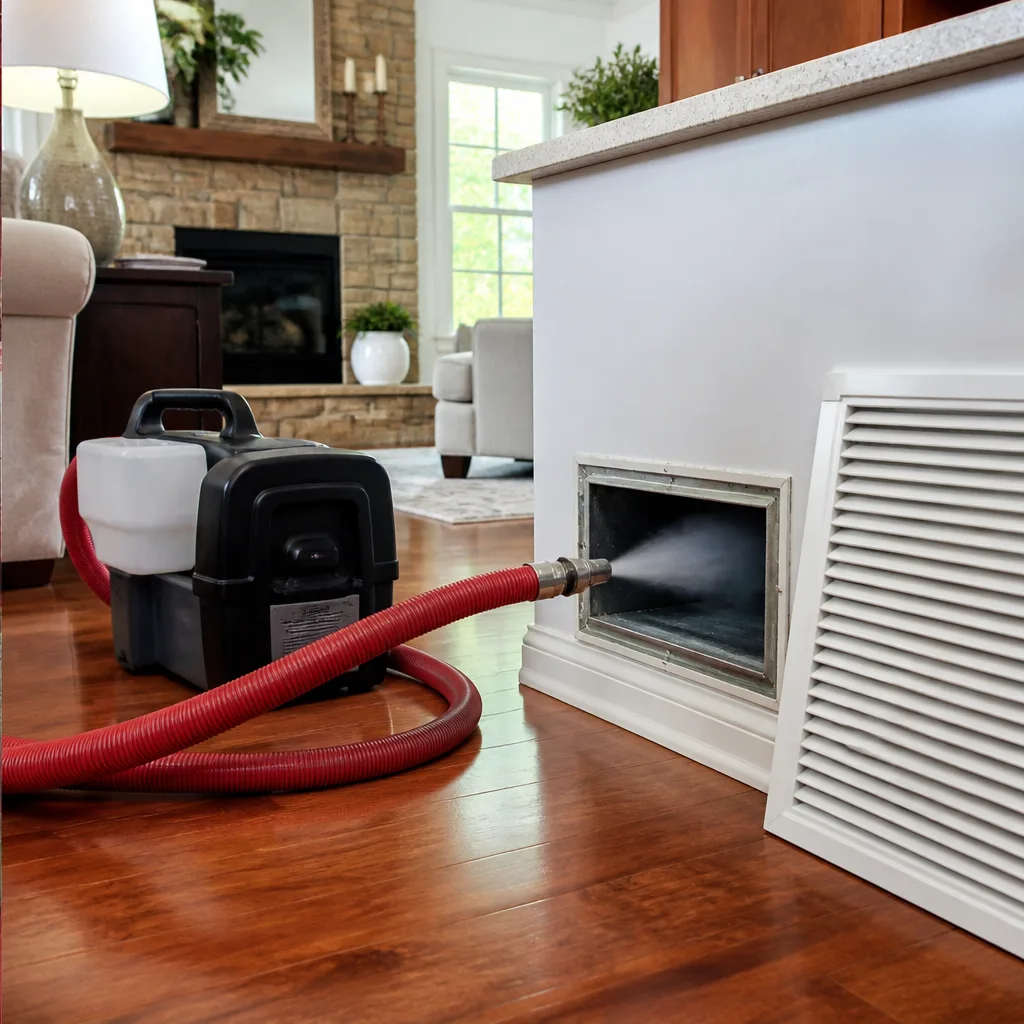 Sanitizing & deodorizing
Whole-system duct and dryer vent check with before-and-after photos - you see exactly what came out of your vents
That "$99 whole-house special" is a bait ad - the real number appears once they are in your hallway, or the "clean" is a shop-vac at the register. We photograph the inside of your ducts before and after instead.
Choosing the Right Air Duct Cleaning Brand: A Buyer’s Guide for New Dorp
The name on the side of the truck tells you almost nothing about whether the job will be done right. That’s the uncomfortable truth about this industry, and it’s why so many New Dorp homeowners end up disappointed after hiring a household-name franchise. The biggest advertised duct cleaning brands operating around Staten Island run the same contact-vacuum setups as the cheapest independents, just with far better marketing behind them. A logo is not a method. This guide will show you how to judge any duct cleaning company on the things that actually matter: equipment, inspection process, documentation, and how much of your system they’re genuinely willing to clean. By the end, you’ll know exactly what to ask before you hand anyone a deposit.
Quick Answer
The right air duct cleaning brand in New Dorp is the one that uses contact-based rotary equipment with negative-pressure containment, inspects the whole air pathway before quoting, shows you before-and-after photographic documentation after the work, and offers duct repair, sealing, and sanitizing alongside cleaning. National franchise recognition does not guarantee any of this. Judge the process and the paper trail, not the logo.
Styles & brands we work with
- Whole-home duct cleaning
- Dryer vent cleaning
- Camera inspection
- Sanitizing & deodorizing
Table of Contents
- Why “Brand” Means Almost Nothing in Air Duct Cleaning
- The Four Technical Criteria That Actually Separate Good Companies
- What NADCA Certification Really Requires
- Equipment Markers That Separate Full-System Specialists From One-Pass Vacuumers
- Local Independents vs. National Franchises in New Dorp
- What a Proper Inspection Looks Like
- Using Post-Service Documentation as Your Real Quality Metric
- How to Verify Any Company Before You Book
Why “Brand” Means Almost Nothing in Air Duct Cleaning
Franchise recognition in this trade is a marketing asset, not a technical one. A franchise operator buys a name, a logo, and a playbook. The playbook usually specifies a basic truck-mounted vacuum run through the trunk lines, maybe a whip brush dropped into a few accessible runs, and a technician whose compensation partly depends on selling you add-ons. The equipment tier is often identical to what an independent competitor two blocks away is running. Sometimes it’s worse, because the franchise agreement specifies what the operator is required to buy and it isn’t always the top of the range.
This is why the question “Which national brand is best?” misses the point entirely. There are only a few ways to clean a duct system, and they fall into two rough categories: contact methods that physically dislodge debris from the duct walls, and air-only methods that pull loose dust from the airway. The contact methods (rotary brushes, whips, compressed-air tools) are what the industry standards identify as necessary for a complete cleaning. Air-only suction, however powerful, doesn’t get compacted debris off the metal.
We’ve seen this play out in New Dorp. Homeowners who book the heavily advertised chain and a homeowner who books a small local operator with proper equipment sometimes get the same result, and sometimes the person who paid less got a better clean. The difference was almost never the brand. It was what was on the truck and what the technician was trained to do with it.
The practical takeaway: forget the name and write down four questions. What equipment will you use? How will you inspect the system? What documentation will I receive afterward? What is the full scope of the job you’re quoting? If a company can’t answer all four clearly, the brand name doesn’t matter. For a broader look at the service itself, see air duct cleaning.
The Four Technical Criteria That Actually Separate Good Companies
Every duct cleaning company, national franchise or local independent, can be evaluated on the same four points. These are the ones that determine whether you get a real cleaning or a cosmetic pass. Use them as a scorecard.
Criterion 1: Equipment type
Ask what method they use for contact cleaning. You’re listening for rotary brush systems like Rotobrush, high-pressure compressed-air tools, or whip-style agitation tools. Negative-pressure containment is the other half: a truck-mounted or portable HEPA vacuum that keeps the system under vacuum while the agitation tool works, so dislodged debris travels out rather than blowing into your living space. Nikro HEPA systems and Abatement Technologies filtration units are the kinds of names a serious operator will mention without being prompted. If the answer is “we have a really strong vacuum,” that’s air-only.
Criterion 2: Inspection process
A proper job starts with a look inside the system, not a sales pitch. That means pulling registers, opening plenums, checking the air handler, and if needed running a camera into the runs. The inspector should be able to tell you what they found: debris type, moisture signs, gaps or disconnected runs, and condition of the coils.
Criterion 3: Documentation standards
Ask what you’ll receive when the work is done. A reputable operator photographs before and after and gives you the images. This is the single most reliable quality signal in the trade, because a company that didn’t do thorough work can’t produce documentation of it.
Criterion 4: Scope of system coverage
A duct cleaner cleans ducts. A full-system indoor-air specialist also covers the air handler, coils, blower, drain pan, plenums, and often the dryer vent. If the company stops at the trunk lines and calls it a full clean, ask where the rest of the system fits in.
Score any company on these four and the brand name falls away. A local operator who clears all four will beat a franchise that stumbles on three. For the air handler side of the inspection, that work overlaps directly with HVAC cleaning.
What NADCA Certification Really Requires
NADCA, the National Air Duct Cleaners Association, publishes the industry’s recognized standards for what constitutes a proper cleaning: the ACR standard for assessment, cleaning, and restoration of HVAC systems. The organization also offers certifications, including an Air Systems Cleaning Specialist credential and a company-level membership distinction. Understanding the gap between the two is where most homeowners get misled.
Marketing across the trade treats “NADCA” as if it were a universal stamp of quality applied to any company that mentions it. In reality:
- The credential is held by a named individual technician, not automatically by the whole company. A company can employ one certified person and send a crew of uncertified helpers to your home.
- Company-level membership is a separate status from individual certification. A listing on a trade directory tells you the company joined; it doesn’t tell you every job follows the standard.
- Certifications require renewal and continuing education. You’ll find plenty of marketing using the term that describes a technician whose credential lapsed years ago.
How to verify: ask for the name and certification of the technician who will actually be on site, then cross-check it through the association’s own verification directory rather than a company website. A serious operator takes the question in stride. A company that waves it off or claims all staff are certified without evidence is telling you something.
New Dorp homeowners deserve to know the certification question exists, because once you ask it, the conversation shifts from brand loyalty to accountability. Our own technicians have up to 15 years of experience, and we’d rather you ask hard questions and get a real answer than sign on to a logo.
Equipment Markers That Separate Full-System Specialists From One-Pass Vacuumers
Equipment is the least subjective thing on this list. A company either owns contact-cleaning tools and containment equipment or it doesn’t. You can ask to see descriptions, and a knowledgeable technician can tell you in a sentence whether they run rotary or air-only gear.
What full-system specialists use
- Rotary contact cleaning systems like Rotobrush, which use a spinning brush head to physically dislodge debris that has bonded to the duct walls.
- HEPA vacuum containment such as Nikro equipment, holding the system under negative pressure throughout the job.
- On-site air filtration like Abatement Technologies units, capturing airborne particulates at the source rather than letting them drift through the house.
- Sealing and repair materials for gaps, disconnected runs, and joints that leak conditioned air.
- Compatible sanitizing and air-quality products from established names like Honeywell and Aprilaire, applied after cleaning rather than used instead of it.
What one-pass vacuum operators use
- A truck-mounted or portable vacuum with a hose dropped into one or two trunk lines.
- No rotary agitation, no containment protocol, no camera inspection.
- Per-vent pricing that encourages a fast finish.
- No repair or sealing capability, so gaps get vacuumed around rather than fixed.
The difference matters for your air quality, because suction pulls the dust that’s already loose. Rotary contact cleaning is what removes the layer stuck to the sheet metal. If a quote doesn’t mention contact cleaning, containment, and an inspection, the job described is likely a vacuum pass. For the fire-safety side of the same equipment discipline, look at dryer vent cleaning, which uses the same contact-and-containment approach and addresses a risk most duct-only companies never touch.
Local Independents vs. National Franchises in New Dorp
In a market like New Dorp, where much of the housing stock is older and many homes have seen decades of HVAC changes and renovations, local independent operators often outperform national franchises on both thoroughness and accountability. The reasons are structural, not sentimental.
Accountability is proximity-based. A local operator who does poor work in New Dorp faces the consequences in the neighborhood, week after week. Franchise operators rotate technicians and rely on brand trust to smooth over complaints. When something goes wrong with a franchise job, the resolution usually runs through a corporate complaint process rather than a conversation with the same technician.
Reputation is verifiable locally. You can ask a local independent for references in nearby blocks and call them. On Staten Island and around New Dorp, that kind of reference check is often possible within a few days.
Scope tends to be wider. A local independent has less of a marketing budget to compensate for limited service offerings, so operators who survive tend to expand into repair, sealing, and sanitizing, because that’s what homeowners ask for after the first job. The five service lines we cover (cleaning, dryer vents, HVAC, repair, and sanitizing) exist for that reason.
Adaptability to the housing. New Dorp homes span a wide range of ages, layouts, and HVAC configurations. A local operator who works in that range weekly learns the patterns. A franchise technician following a script does not.
None of this means every local operator is good. Plenty of local companies run the same inadequate equipment and the same coupon-driven pitch. But it does mean the franchise-versus-independent question is the wrong framing. Ask the four technical questions first. If a local company clears them and a franchise doesn’t, the local company wins regardless of how big the brand is.
What a Proper Inspection Looks Like
A thorough inspection is the part of a duct cleaning job that customers never see and that separates a real specialist from a vacuum pass. Here’s what a proper inspection looks like, step by step. When a technician starts doing this, you’ll know they’re serious.
- Walk the layout of the system. Identify the air handler, the supply and return trunks, all the registers and grilles, and any accessible duct runs. Note anything unusual: flex duct transitions, a remodeled section, a recent replacement unit, a disconnected section.
- Open the air handler and examine the components. Look at the blower wheel, evaporator coil, drain pan, and the interior of the plenum. Coil fin condition tells you whether the system is being starved of airflow. Standing moisture or biological growth points to a problem cleaning alone won’t fix.
- Pull a sample of registers and open access points on the trunk lines. A camera is used on runs that can’t be opened easily. The technician looks at debris type (dust, drywall powder after a renovation, hair and pet dander, construction debris), and checks for gaps, loose joints, and disconnected sections.
- Take photographs. Before shots document the condition you’re paying to fix, and they anchor the after shots. A serious inspector photographs every stage, not just the worst spot.
- Discuss findings and scope with you. A good inspector tells you what they found, what the scope of cleaning should be, and whether a repair or seal should be handled first or alongside cleaning. Then you get a one-flat-price quote for the whole system, not a per-vent number.
You can expect that last point to feel different from the way most companies quote. A whole-system flat price protects you from the upsell treadmill. A per-vent price invites a fast, incomplete job. If a company won’t quote a flat price per system before starting, ask why. Know that the price should come from the written estimate, so ask for the number in writing. For a look at how we approach that side of the work, see Air Duct Cleaning New Dorp.
This inspection is also where indoor-air concerns live. If someone in the house has allergies, or you’ve just finished a renovation, or the HVAC was replaced and old ducts were left in place, the inspection will reveal it. Sometimes the fix is cleaning. Sometimes it’s repair and sealing, sometimes sanitizing, and frequently it’s all three. The inspection is what tells you which.
Using Post-Service Documentation as Your Real Quality Metric
Here’s the simplest decision rule in the entire guide: compare companies on the documentation they promise, not on the reputation they claim. Documentation is the only quality metric that both sides can verify, and it’s almost impossible to fake after the fact.
What to ask for in writing before you book:
- Before-and-after photographs of the duct interiors, plenums, air handler, and coils.
- Photos of the coils before and after cleaning, since coils are where the paperwork tends to disappear.
- A written summary of what was cleaned, what was repaired or sealed, and what condition was left untouched.
- Any recommended follow-up, with the reason, so you can decide later.
When you receive those photos after the job, compare them. Cleaned ducts look different from vacuumed ducts, because rotary contact cleaning removes the layer that a suction pass leaves behind. Coils that have been cleaned visibly change in the fins. If the documentation is thin, the work is thin.
This is why we build before-and-after photos into every job rather than offer them as a premium. It’s not a courtesy. It’s the proof, and you should demand it from any company you hire, national franchise or not. If you already have a quote in hand and the company can’t tell you what photos or paperwork you’ll get, treat that quote as incomplete.
How to Verify Any Company Before You Book
Verification takes about twenty minutes and is the single best protection you have. Run through these steps for any company you’re seriously considering, whether it’s a local independent or a franchise.
- Ask about equipment by name. “Will you use a rotary contact tool and negative-pressure HEPA containment, and can you name the brands?” A serious operator answers instantly. Watch for vague descriptions.
- Ask about the inspection. “Will the system be inspected with a camera and photos taken before any cleaning starts?” Yes is the only acceptable answer.
- Ask for the certification name and number of the technician coming on site, then verify through the association directory directly. Don’t take “we’re certified” as a yes.
- Ask about insurance. The local pro should be licensed and insured as their state requires. Ask for a certificate of insurance if you’re hiring for a commercial property or a large home.
- Ask for local references. Not reviews on a website; ask for names of homeowners or property managers in New Dorp or nearby who agreed to be contacted.
- Ask what documentation you’ll receive. Photos, itemized summary, follow-up recommendations.
- Ask what the scope of the quote covers. Whole-system flat price, written out before work starts, with any repair or sanitizing priced separately.
The local pro should also be clear about the price. One flat price per system agreed before work starts, free estimate, written out so there’s no ambiguity when the job finishes. If a quote changes once the technician is on site, the accountability question gets answered for you.
Common Mistakes to Avoid
- Choosing on brand recognition alone. A national franchise logo is a marketing asset, not a method. Verify equipment and process whether the name is familiar or not, especially in New Dorp where a mixed housing market means the same job done right looks different from block to block.
- Booking the per-vent coupon. A $49-per-vent quote usually corresponds to a fast suction pass. Either the job gets done incompletely, or the price climbs once the technician is in the house. Ask for a whole-system flat price.
- Skipping the inspection and going straight to cleaning. Without opening the air handler and looking at the coils, plenums, and duct joints, nobody knows what’s actually needed. A job that starts without inspection is a guess with a vacuum attached.
- Accepting “we’re NADCA certified” without verification. Certification belongs to named individuals and requires renewal. Ask for the name and status of the technician coming on site.
- Ignoring repair and sealing. A leaking joint or disconnected run undoes the cleaning within weeks by pulling unfiltered air back into the system. Cleaning around an unfixed gap does not solve anything.
- Forgetting the dryer vent. Duct cleaning companies that stop at the HVAC miss one of the most important air and fire-safety lines in the house. Ask about dryer vent cleaning in the same visit.
- Not asking for before-and-after photos. Documentation is your only proof. If the company can’t say what you’ll receive, treat the quote as a promise with no evidence attached.
See the difference
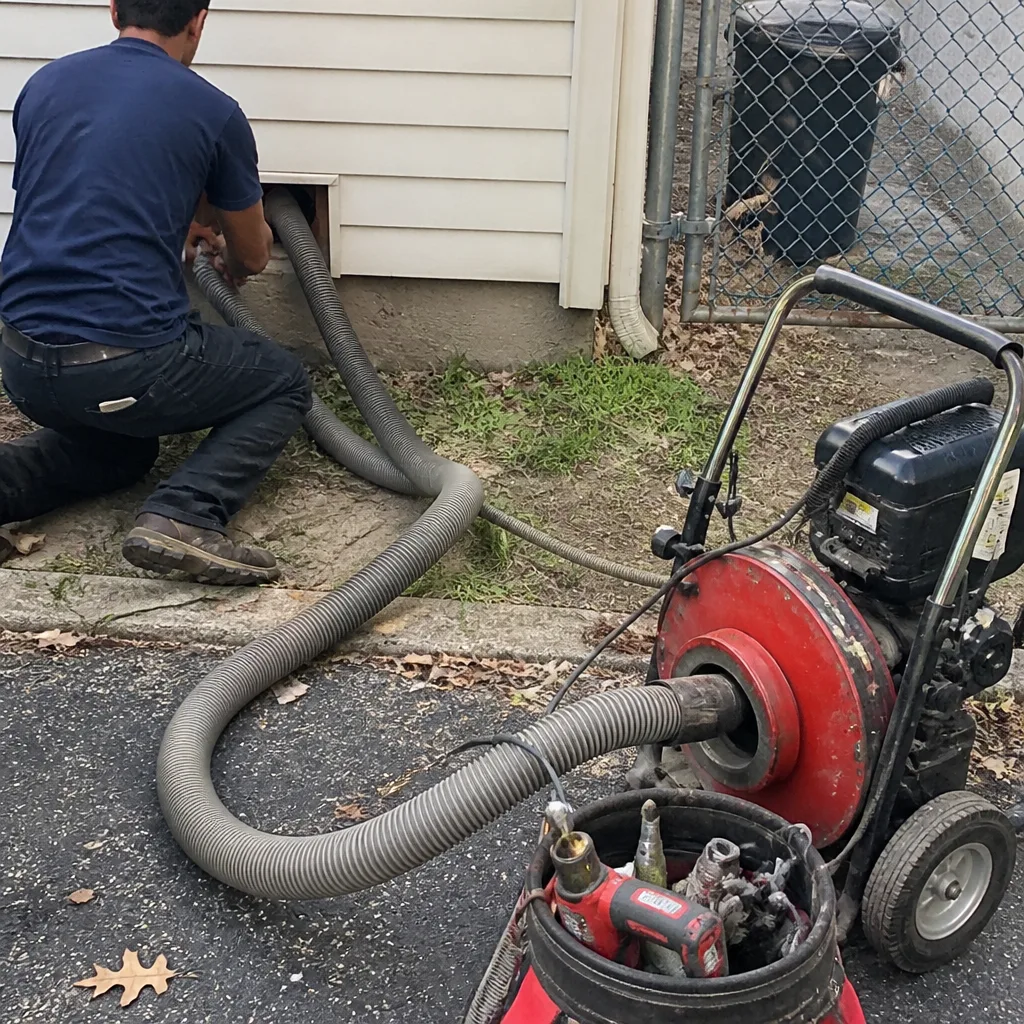 Before
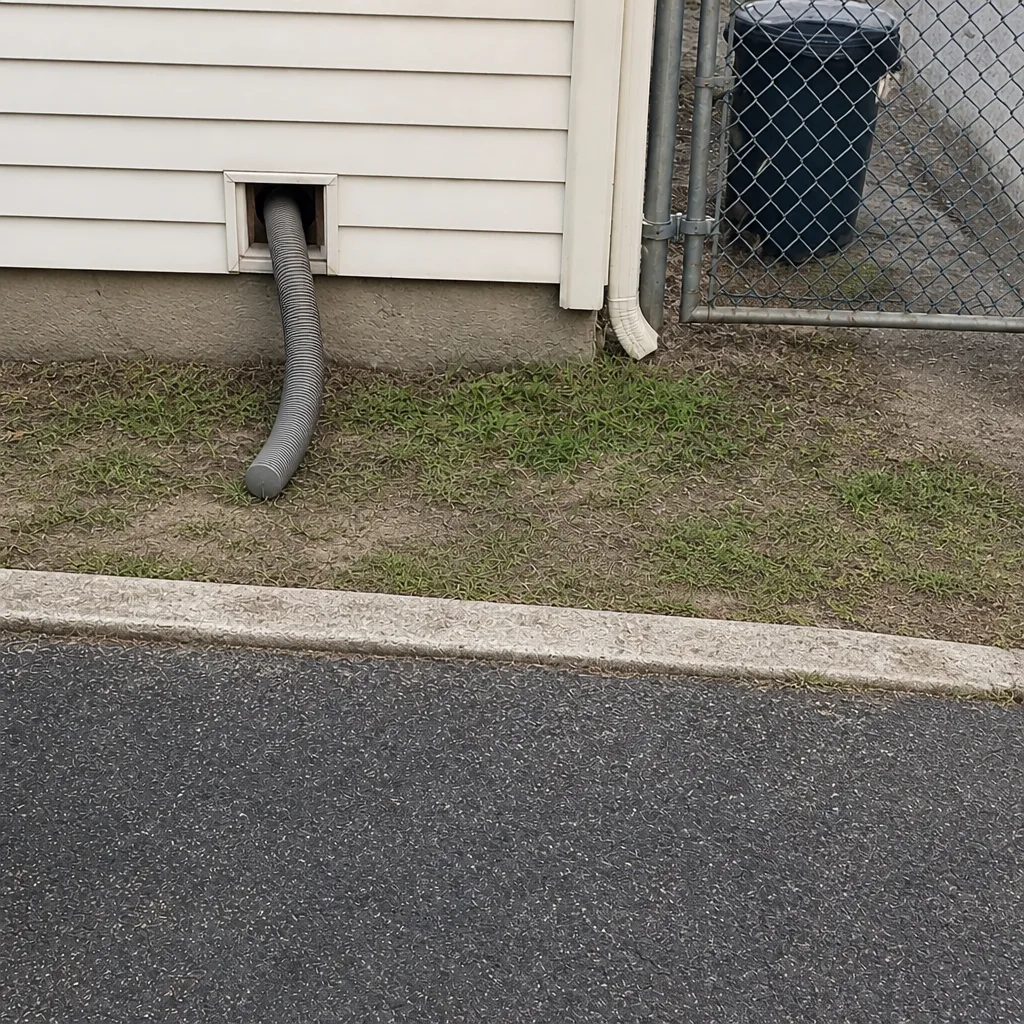 After
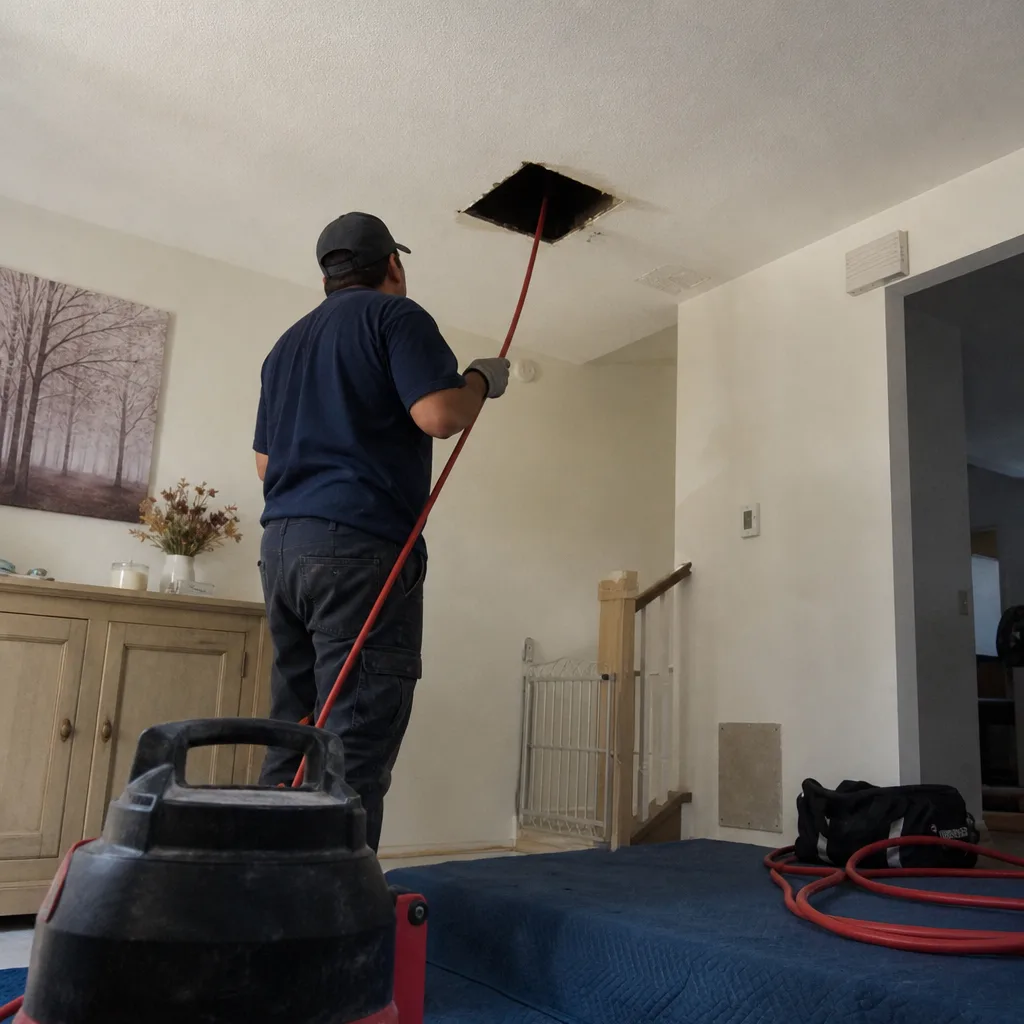 Before
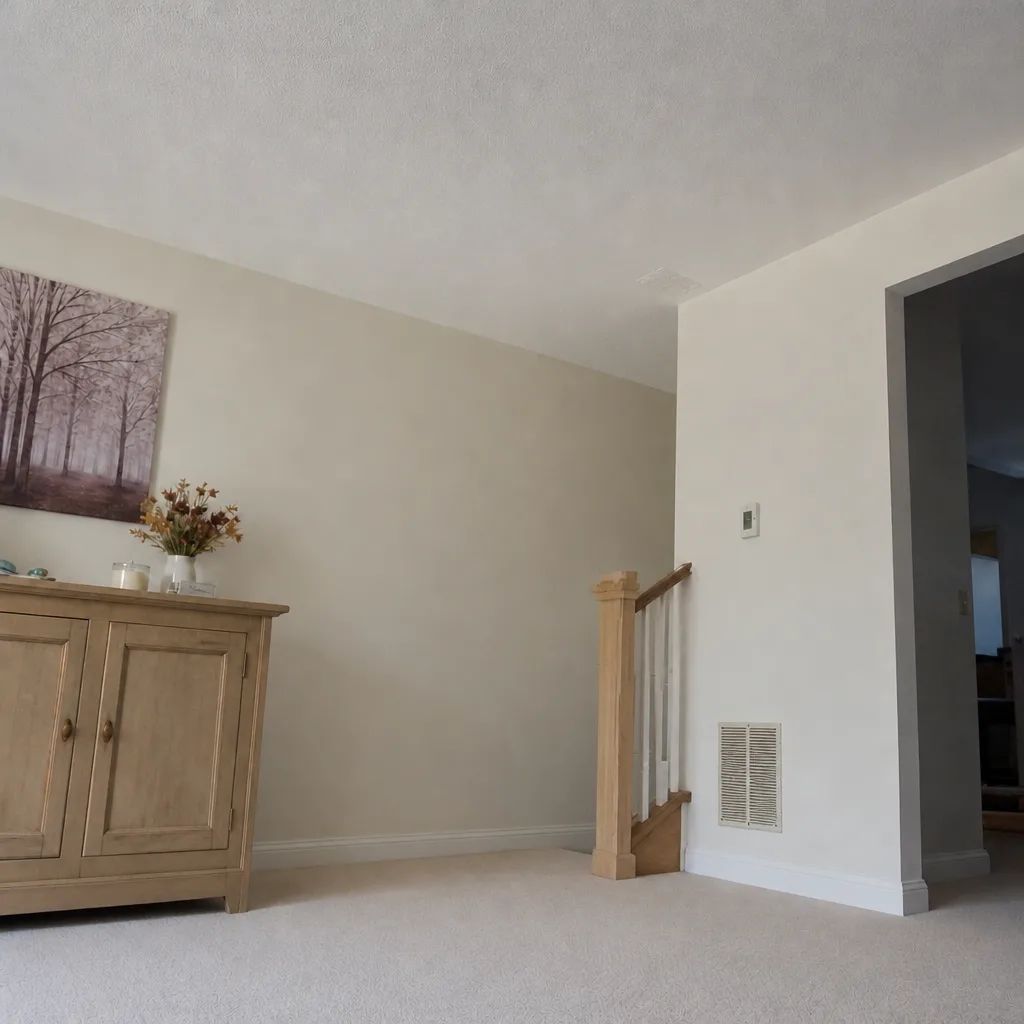 After
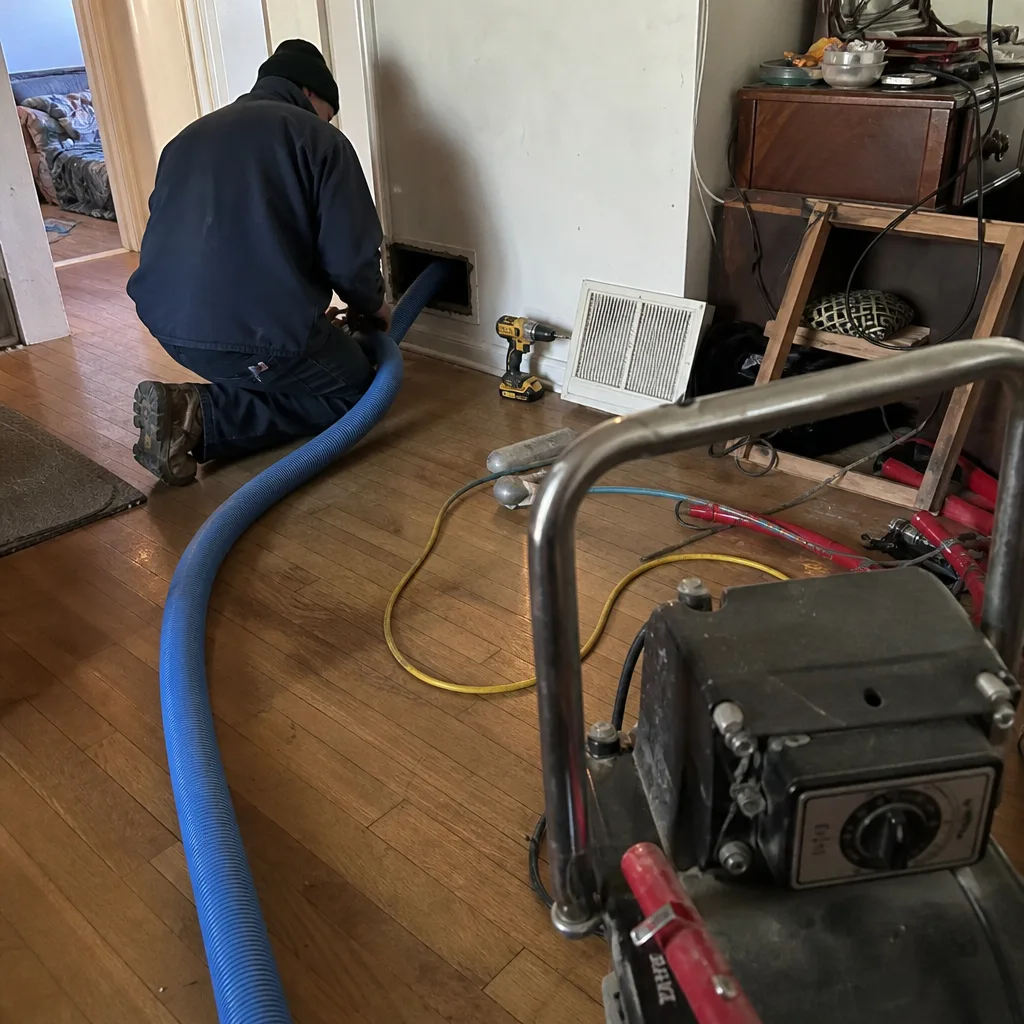 Before
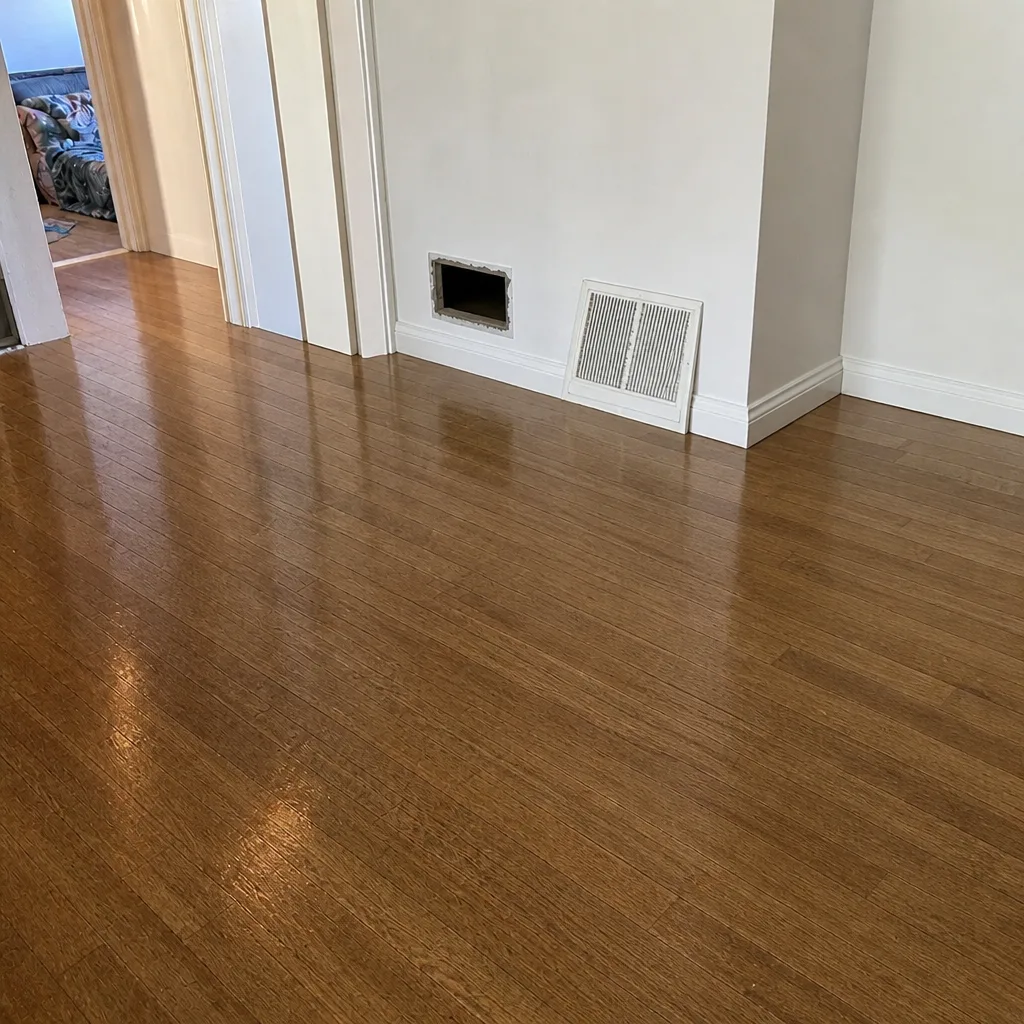 After
When to Call a Professional
Most homes in New Dorp don’t need annual cleaning. They need it when a specific trigger shows up. Consider calling a professional when someone in the household has developed respiratory sensitivity and other causes have been eliminated, when you’ve just finished a renovation that generated significant dust and debris, when an HVAC unit has been replaced and the old ductwork is still in place, when you can see visible dust plumes at the registers, when a musty or dusty smell persists in one or more rooms, or when it’s been many years since any cleaning was done. Also call when the dryer is suddenly taking longer to dry a load; that’s often a sign of a restricted dryer vent and a genuine fire-safety concern. Air Duct Cleaning New Dorp offers free estimates in New Dorp: call (877) 759-0546. We answer 24/7. Fast dispatch from 7am to 7pm, Sunday through Friday.
Frequently Asked Questions
The best company for your home is the one that uses contact-based rotary cleaning with negative-pressure containment, inspects the system before quoting, provides before-and-after photos afterward, and offers repair, sealing, and sanitizing alongside cleaning. Brand size isn’t the deciding factor. Use the four technical criteria in this guide to compare any company you’re considering. Call (877) 759-0546 for a free estimate from our team.
No, it doesn’t. NADCA certification is a valuable credential, but it’s held by named individuals rather than automatically by the whole company, and it requires renewal. A company can advertise the term while sending uncertified crew members to your home. Ask for the name and status of the technician who will be on site and verify through the association’s directory. Call (877) 759-0546 if you’d like to discuss how our technicians train and operate.
Cost depends on the size of the system, the level of contamination, and whether repair, sealing, or sanitizing is added. Pricing should be a whole-system flat rate quoted before work starts, not a per-vent number, and the written estimate sets the final price. That protects you from the coupon-then-upsell pattern common in the industry. Call (877) 759-0546 for a free estimate.
Low quotes usually indicate a reduced scope: a suction-only pass rather than rotary contact cleaning, no containment, no inspection, no documentation. In many cases the low number is a teaser that expands once the technician is on site. Ask what’s included and what isn’t before booking anything. Call (877) 759-0546 for a free estimate with the scope spelled out.
Before-and-after photographs of the duct interiors, plenums, air handler, and coils, taken before and after cleaning, are the only reliable evidence. Expect them as standard, not as an extra. A company that doesn’t document its work has no way to prove what was done. Call (877) 759-0546 to schedule a free estimate.
Most homes don’t need it on a fixed schedule. The right interval depends on the household: pets, allergies, renovation activity, and how the HVAC is maintained all matter. A thorough inspection tells you whether cleaning is needed now. If you’re unsure, that inspection is where to start. Call (877) 759-0546 for a free estimate.
The Bottom Line
Brand recognition in air duct cleaning is a marketing claim, not a technical one. The companies worth hiring, whether national or local, share the same markers: contact-based rotary cleaning equipment, negative-pressure HEPA containment with on-site air filtration, a real inspection before quoting, whole-system flat pricing, and before-and-after photo documentation. National franchises frequently fail on several of these because their playbook is built for volume. Local independents around New Dorp can outperform them on thoroughness and accountability when they run the right equipment and document their work. Ask the four technical questions. Verify the certification behind the claim. Demand the photos. Compare quotes on scope and documentation, not on name or price alone. That process will land you with a real specialist, in New Dorp or anywhere else.
If you’d like a free estimate from a team that uses Rotobrush rotary systems, Nikro HEPA containment, Abatement Technologies filtration units, and Honeywell and Aprilaire-compatible sanitizing, call (877) 759-0546. We answer 24/7. Fast dispatch from 7am to 7pm, Sunday through Friday.
Written by the team at Air Duct Cleaning New Dorp.